
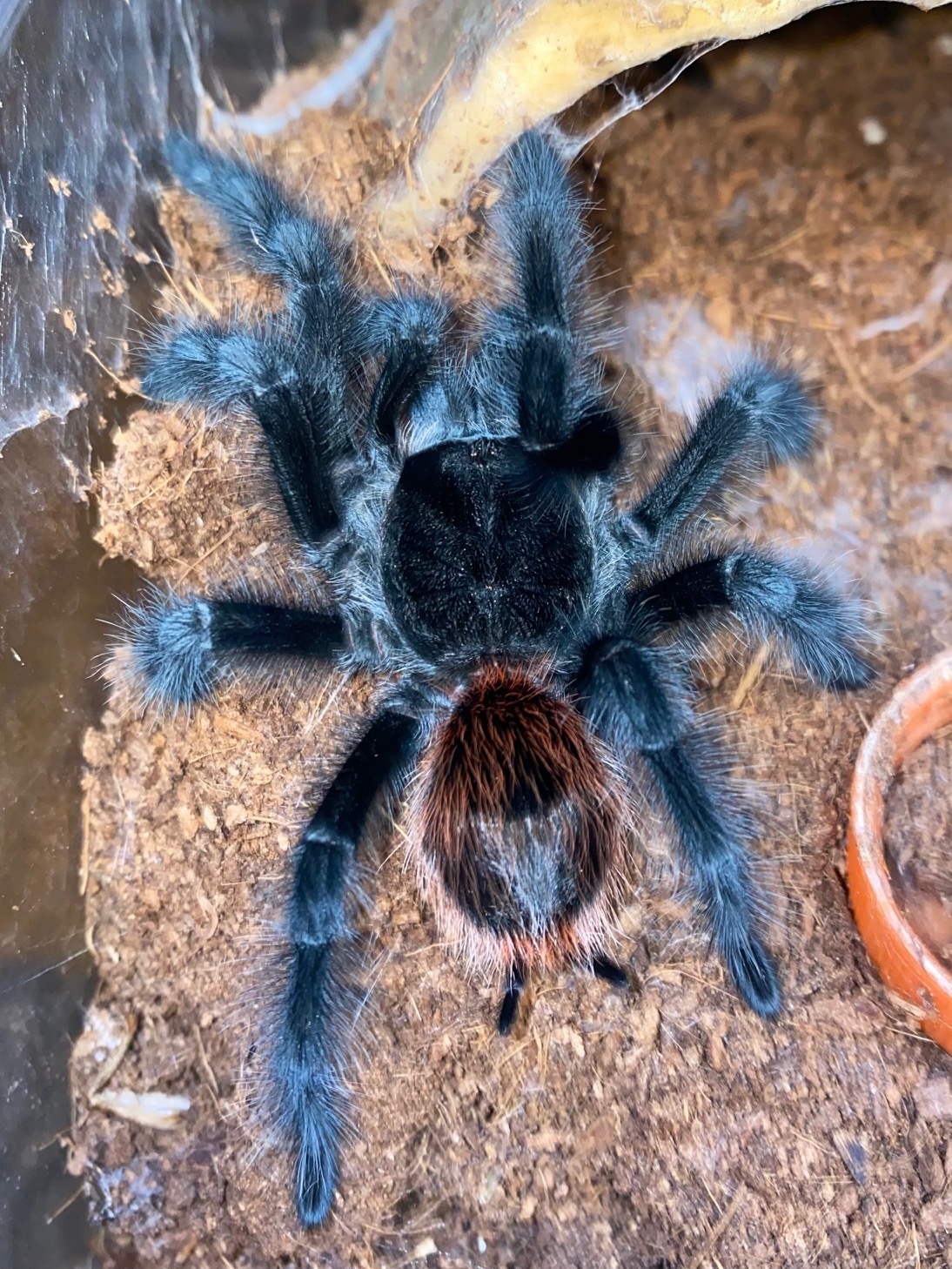
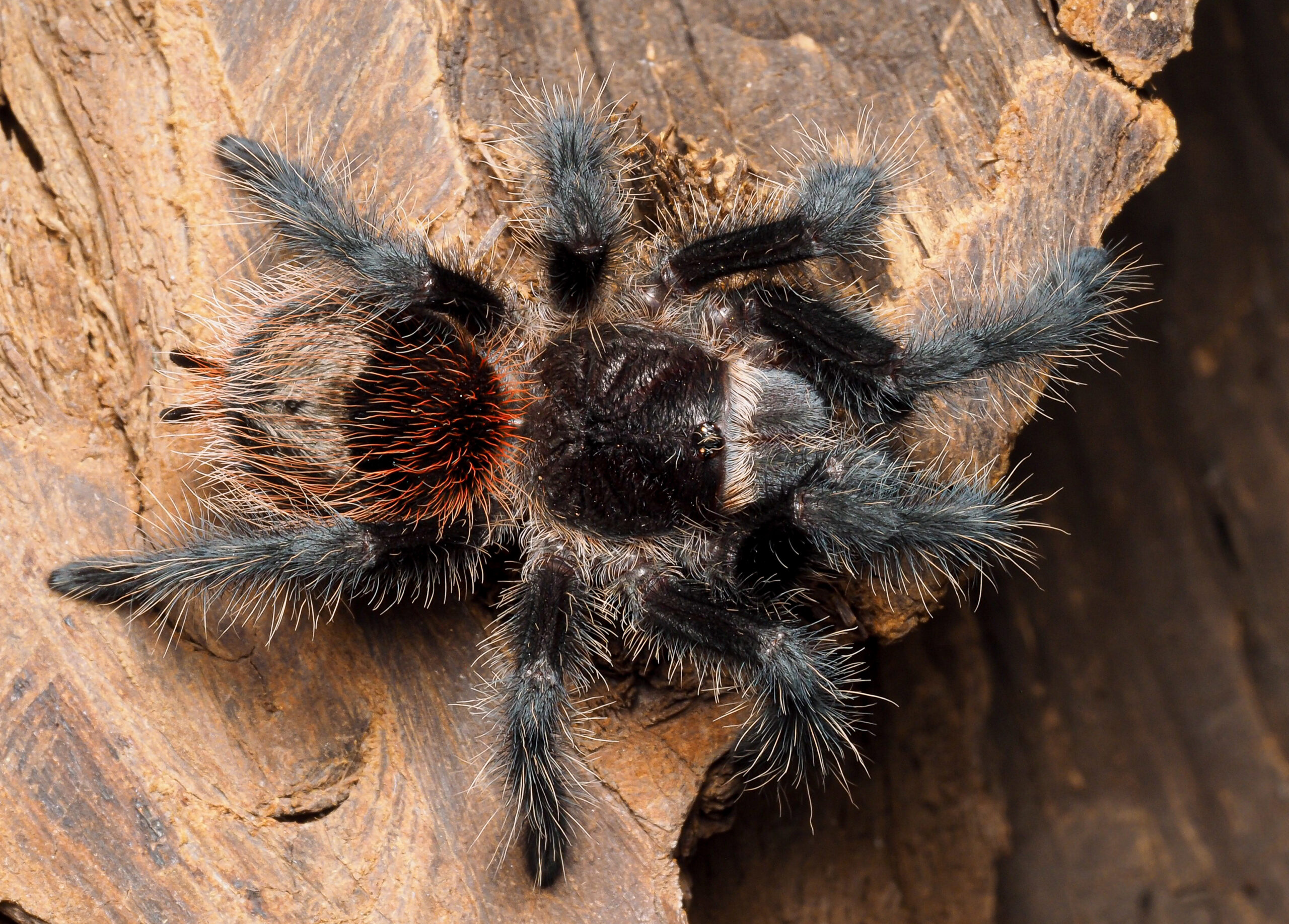
Among the giants of the tarantula world, few command as much respect and admiration as Grammostola actaeon. Commonly known as the Brazilian Red-Rump, this New World terrestrial species is a crown jewel for serious hobbyists, combining impressive size, striking coloration, and a heavy-bodied presence that is hard to ignore.
Appearance and Physical Traits
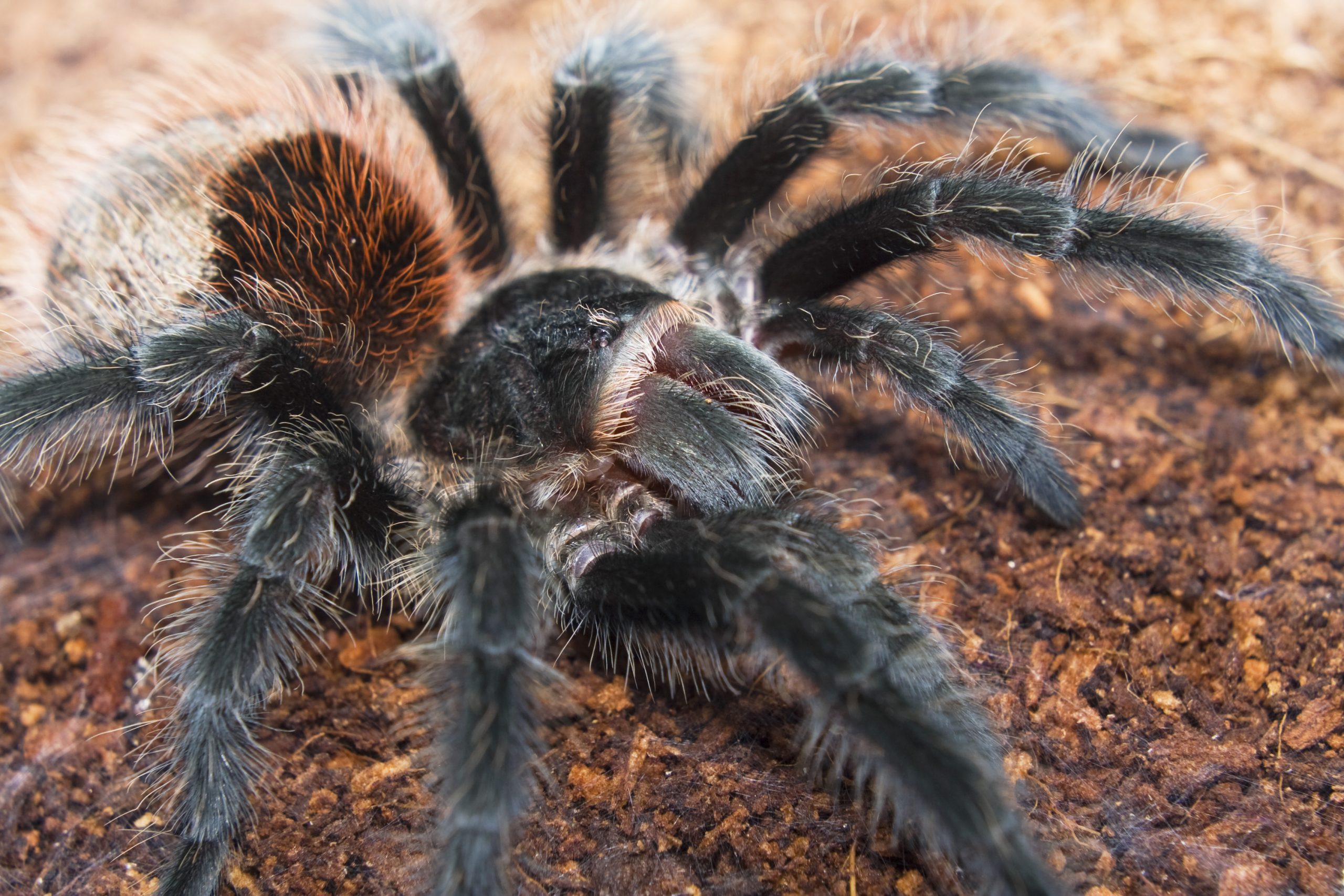
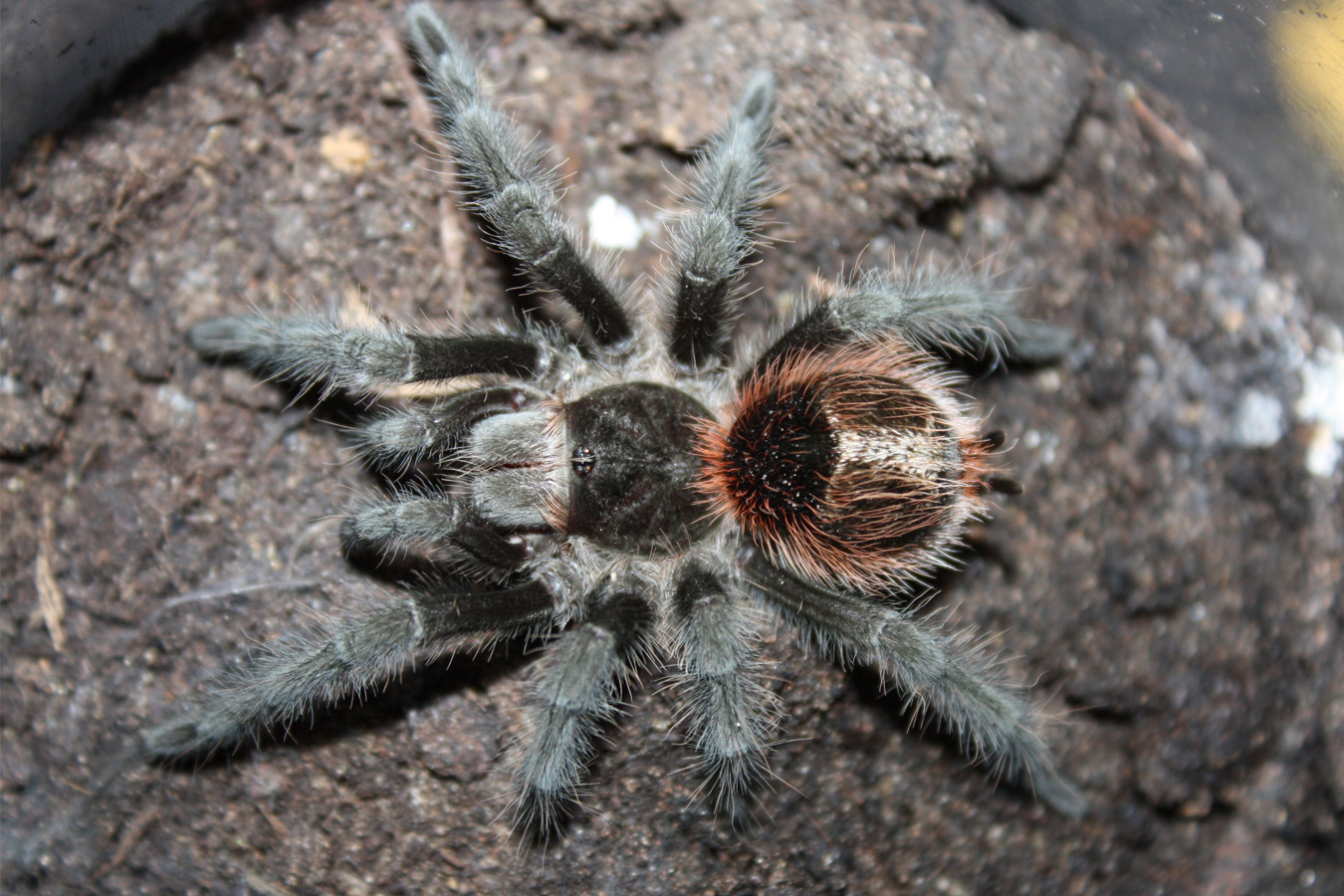
Grammostola actaeon is often mistaken for its cousin, Grammostola iheringi (the Entre Rios tarantula), due to their similar color palettes. However, G. actaeon possesses its own distinct majesty:
- Coloration: The cephalothorax and legs are typically a deep, velvety black or very dark charcoal. This provides a stark contrast to the vibrant red or russet hairs that cover the abdomen, giving the spider its “Red-Rump” moniker.
- Size: This is a formidable species. Mature females can reach a leg span of 6.5 to 7.5 inches, making them one of the larger members of the Grammostola genus.
- Build: They are exceptionally “stocky.” Their heavy-set bodies and thick legs give them a powerful, tank-like appearance that differentiates them from the more spindly arboreal species.
Habitat and Natural History
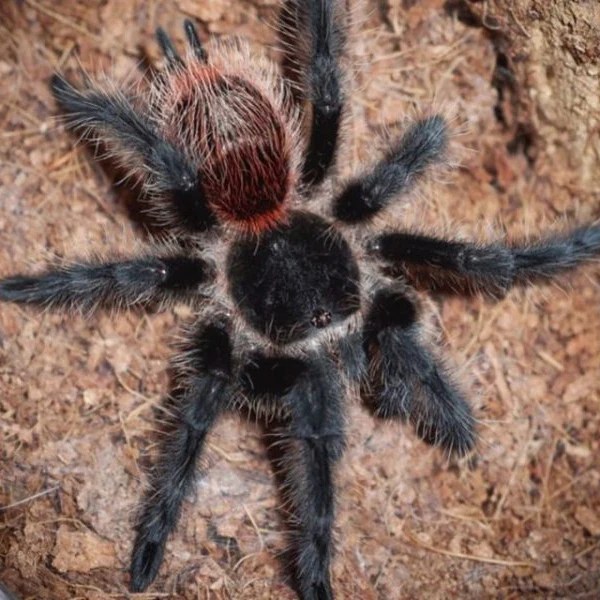
Native to the southern regions of Brazil and parts of Uruguay, G. actaeon thrives in subtropical environments. Unlike many other Grammostola species that inhabit arid scrublands, G. actaeon is often found in slightly more humid forest floor environments.
They are opportunistic burrowers. While they will spend time out in the open once they reach adulthood, they appreciate the ability to retreat into a deep, silk-lined burrow to molt or escape the heat of the day.
Behavior and Temperament
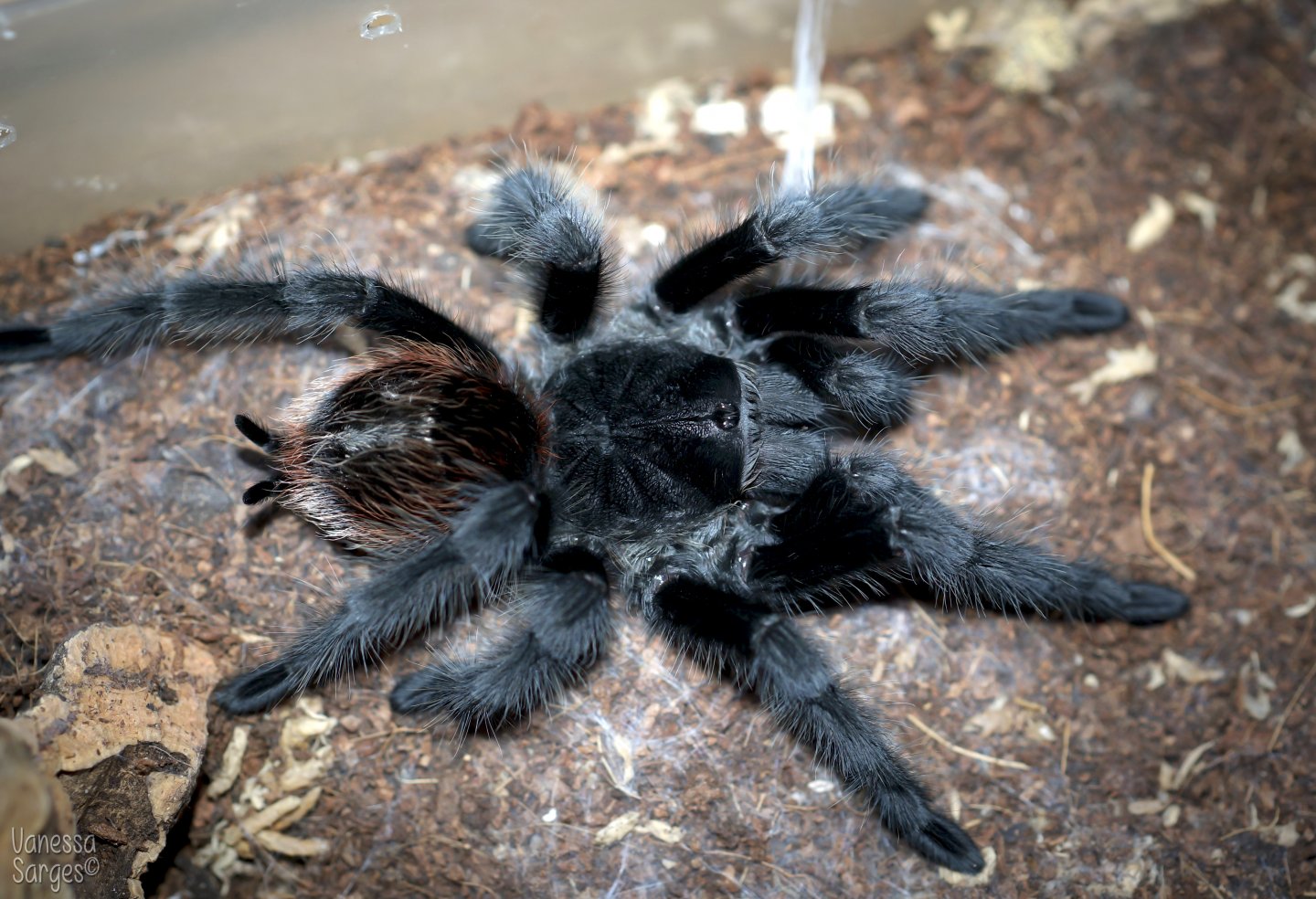
While the genus Grammostola is famous for the “docile” Rose Hair (G. rosea), G. actaeon is often a bit more high-strung.
- Disposition: Generally considered “intermediate.” While not typically aggressive, they are often more skittish and faster than their cousins. They are prone to flicking urticating hairs if they feel threatened.
- Feeding: They are legendary eaters. Their feeding response is vigorous and enthusiastic, making them a joy to watch during dinner time. They will readily accept crickets, roaches, and the occasional hornworm.
Husbandry Requirements
For those looking to keep this species, providing the right environment is key to their longevity, which can exceed 20 years for females.
| Feature | Requirement |
| Enclosure | Terrestrial setup with more floor space than height. |
| Substrate | Deep (4-6 inches) of moisture-retaining soil or coco-fiber mix. |
| Humidity | Moderate (approx. 60-70%). Unlike the desert species, they prefer slightly damp (not soaking) substrate. |
| Temperature | 72°F to 80°F (Room temperature is usually sufficient). |
Why They Stand Out
Grammostola actaeon is a slow-growing but rewarding species. Because they take several years to reach maturity, the keeper gets to witness a long transition from a tiny, translucent spiderling to a massive, crimson-and-black titan. Their combination of rarity, size, and stunning contrast makes them a perennial favorite in the arachnid community.
To view my other Species Spotlight blogs, click HERE!
Discover more from
Subscribe to get the latest posts sent to your email.
 davethebugguy.org