
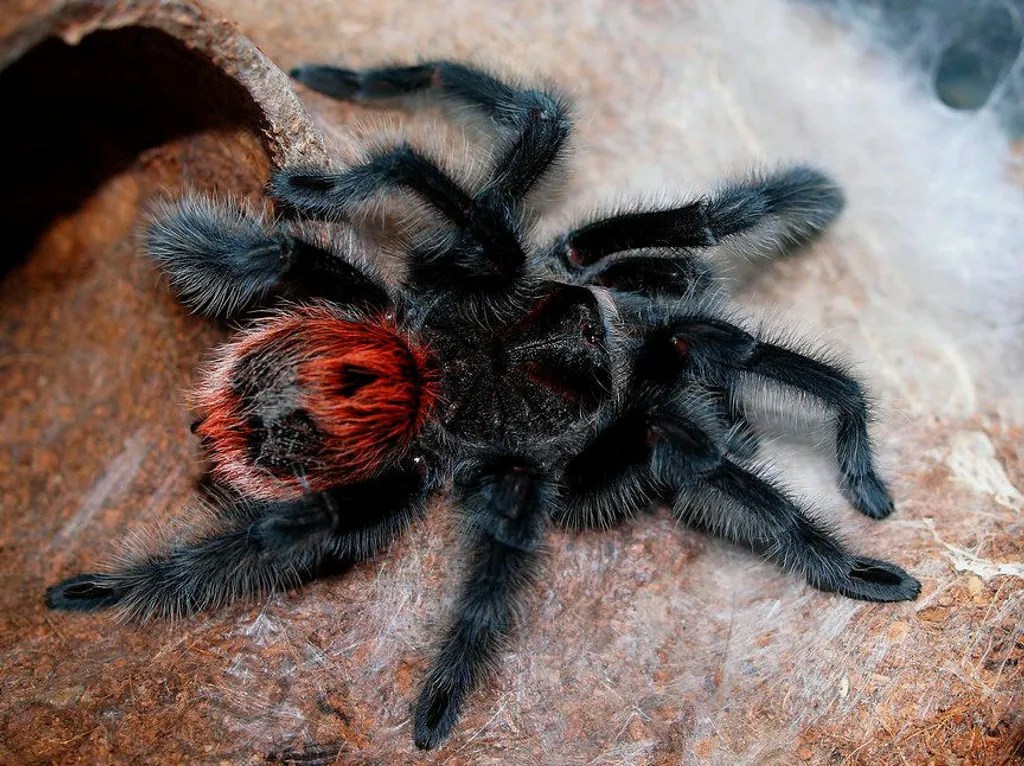
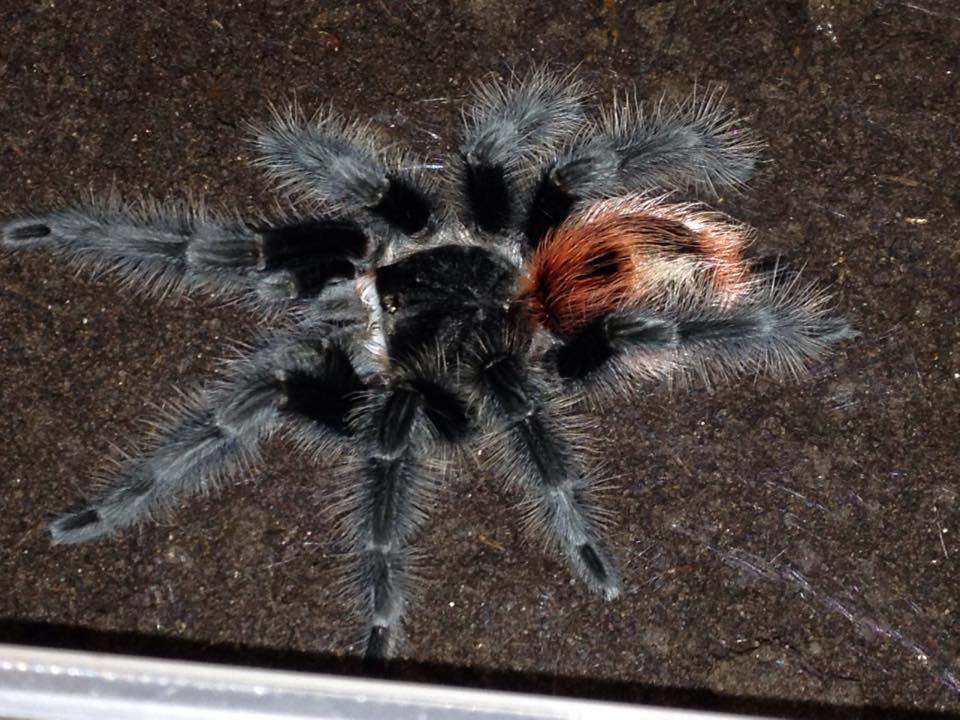
Commonly known as the Entre Rios Tarantula or the Brazilian Black and Red, Grammostola iheringi is frequently cited as the “crown jewel” of its genus. While many Grammostola species are famous for being slow-moving “pet rocks,” G. iheringi breaks the mold with its massive size, striking velvet-black and burgundy coloration, and a surprisingly high-energy personality.
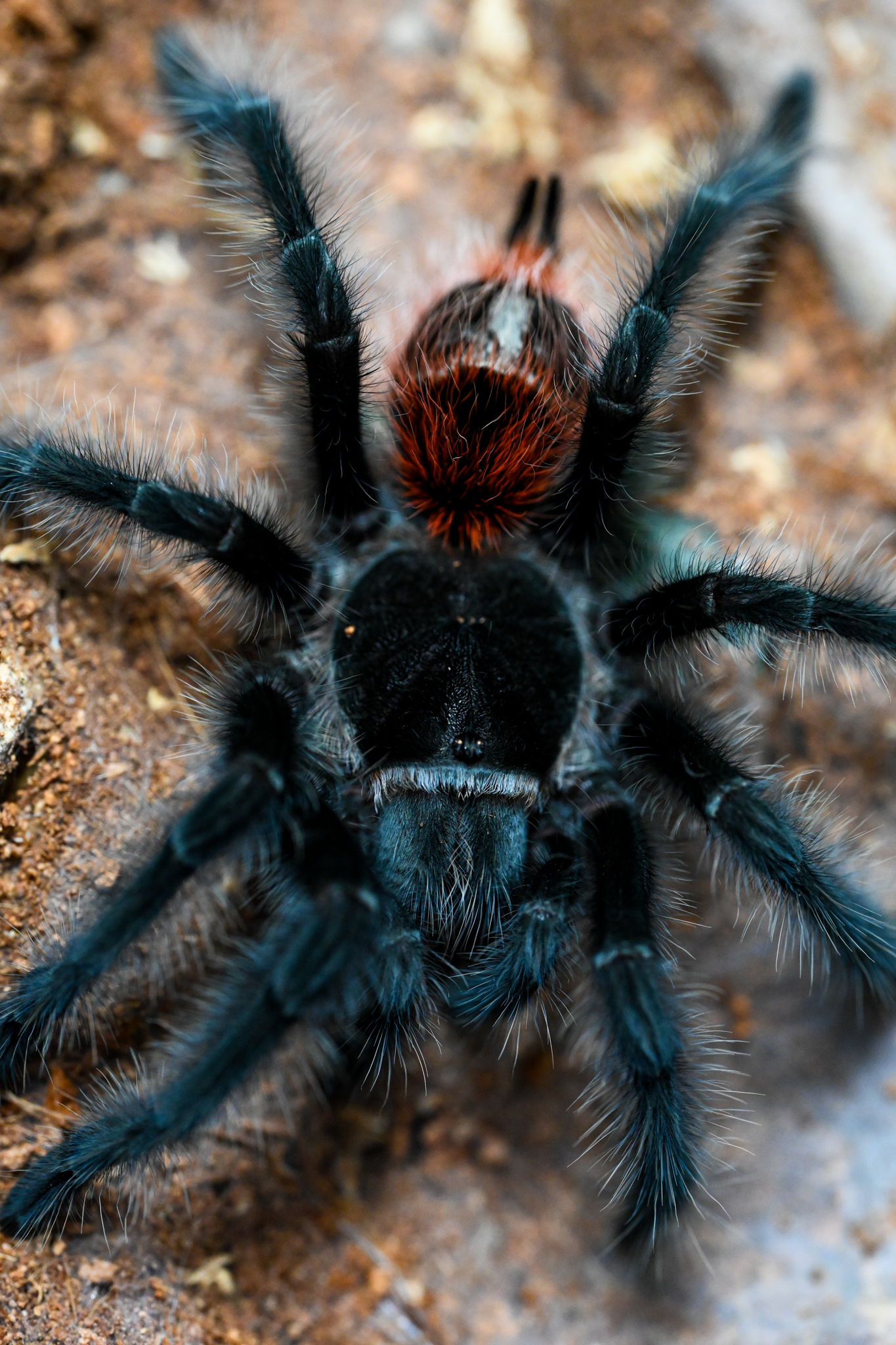
Natural History and Taxonomy
First described by Keyserling in 1891, Grammostola iheringi is native to the subtropical regions of Southern Brazil (specifically Rio Grande do Sul), as well as parts of Uruguay and Argentina. It is named after the Entre Ríos region, reflecting its distribution across the pampas and open fields of South America.
In the wild, these tarantulas are opportunistic burrowers. They are often found in areas that experience seasonal temperature shifts, including a natural diapause (a period of reduced activity) during the cooler winter months where temperatures can drop to around 15°C (59°F).
Physical Characteristics
G. iheringi is widely considered the largest species in the Grammostola genus.
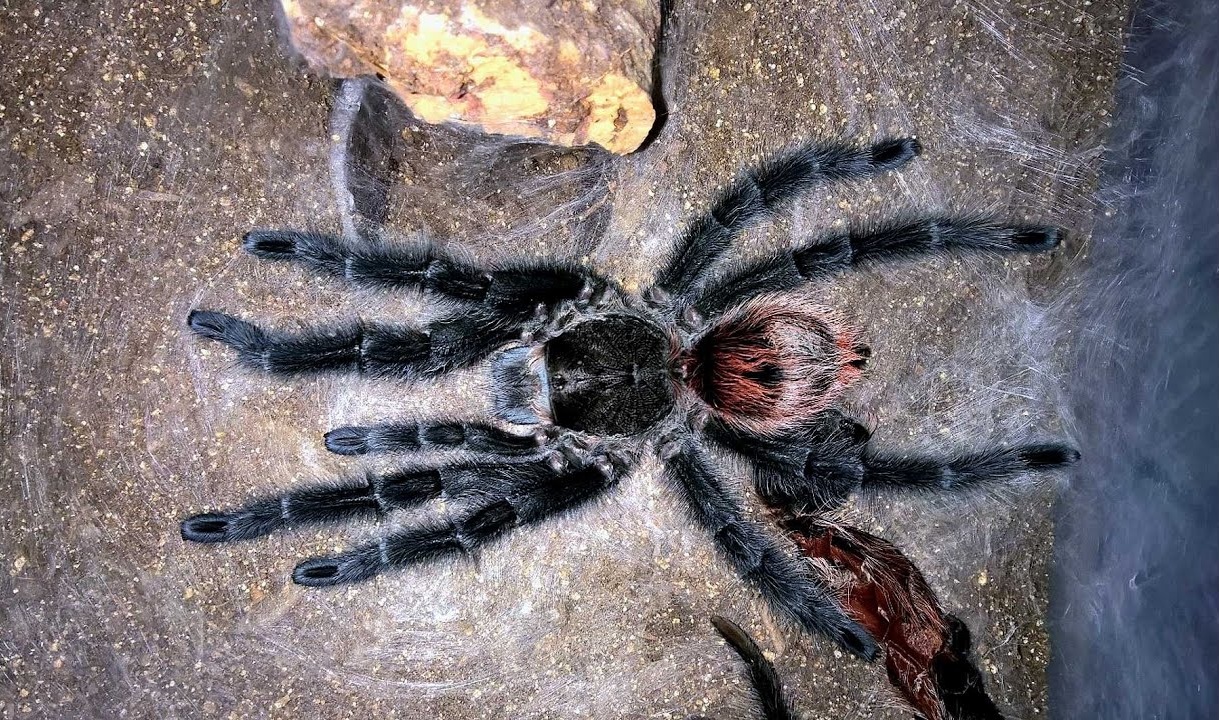
- Size: Females can reach a staggering leg span of 8 to 9+ inches (20–23 cm).
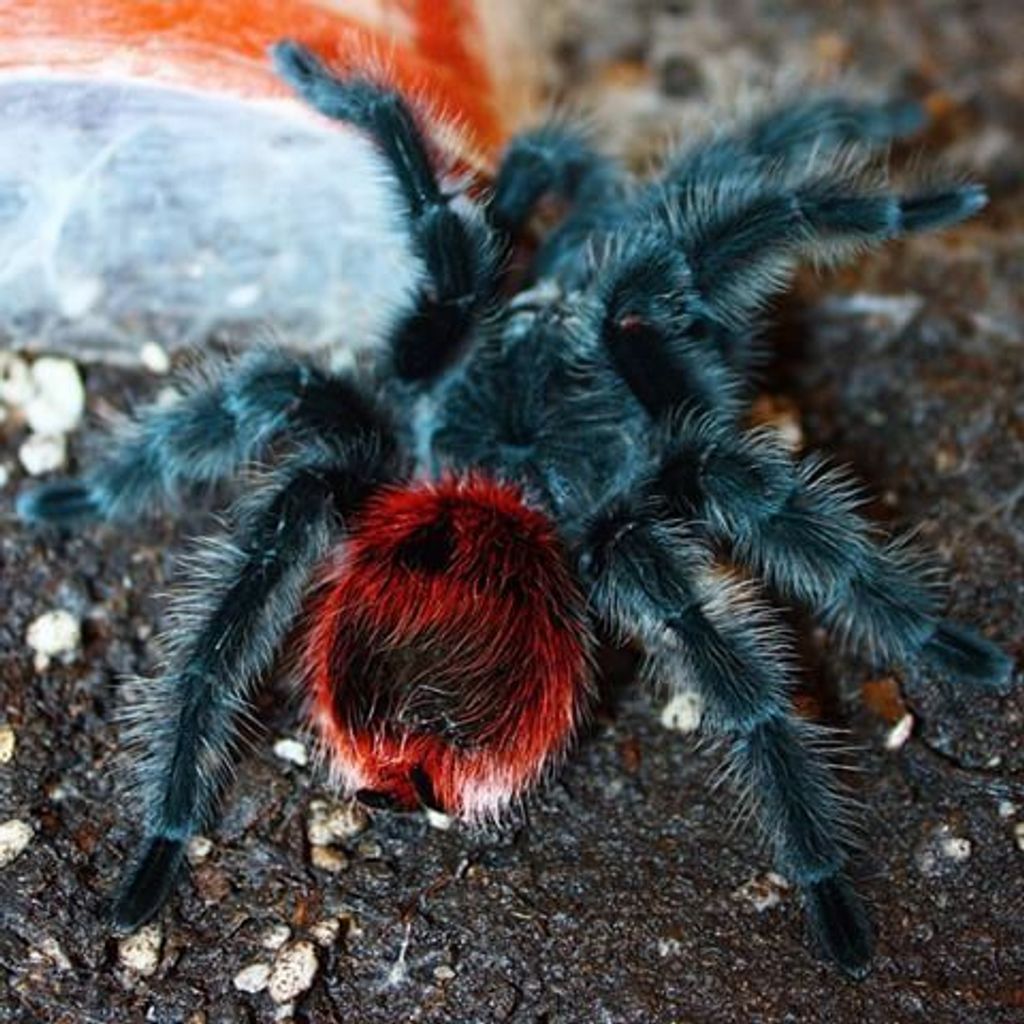
- Coloration: They possess a deep, velvety black cephalothorax and legs, which often show a subtle blue tint after a fresh molt. Their most striking feature is the vibrant red or burgundy hairs on the abdomen (opisthosoma).
- Longevity: Like many New World terrestrials, females are long-lived, often reaching 20 to 30 years of age. Males, as is typical, have a much shorter lifespan of roughly 5 to 6 years.
Temperament: The “Grammostola with Attitude”
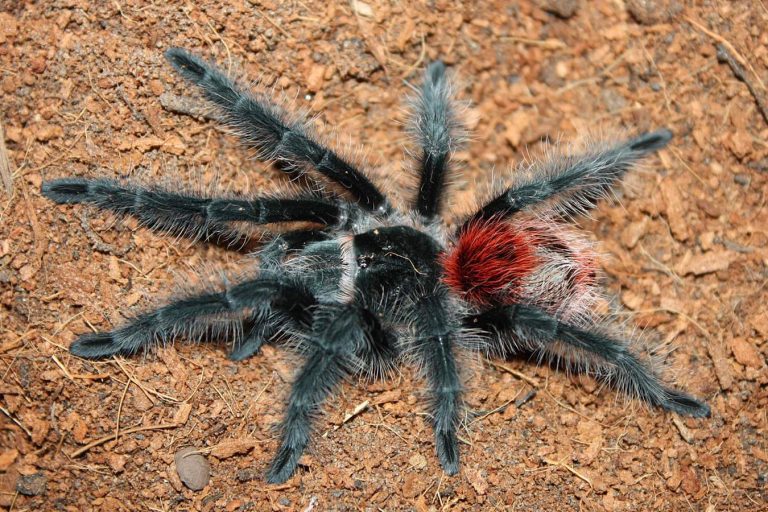
Unlike its cousins, the docile G. pulchra (Brazilian Black) or G. porteri (Rose Hair), G. iheringi is known for being skittish and high-strung.
- Speed: They are notably “leggier” and faster than other members of their genus.
- Defense: While they possess urticating hairs, they are more likely to bolt or throw a “threat pose” (slapping the ground with their front legs) than to immediately flick hairs.
- Hunting: They are aggressive eaters with a powerful feeding response. Unlike many tarantulas that wait in ambush, G. iheringi is known to actively stalk and charge its prey.
Husbandry and Care
Despite their more active nature, they are hardy and relatively easy to care for, making them suitable for keepers who have a little experience with faster New World species.
| Feature | Requirement |
| Enclosure Type | Terrestrial; prioritize floor space over height to prevent fall injuries. |
| Substrate | 4–6 inches of a coco-fiber/peat moss mix. Keep mostly dry for adults. |
| Temperature | 72°F – 80°F (22°C – 27°C). They tolerate slightly cooler temps well. |
| Humidity | Moderate (60–70%). Provide a water dish and occasionally overflow it. |
| Diet | Crickets, Dubia roaches, and mealworms. Large adults can take oversized roaches. |
Growth Rate
While most Grammostola species are notoriously slow growers, G. iheringi is a notable exception. It is considered a medium-to-fast grower. Spiderlings (slings) are born relatively large and can reach a “hand-sized” juvenile stage in about 1.5 to 2 years if kept warm and well-fed.

Why Keep One?
The Entre Rios tarantula is highly sought after because it combines the impressive bulk of a “giant” tarantula with a beautiful, high-contrast color palette. Because they are less prone to hiding than other species, they make excellent display animals that are almost always visible in their enclosure.
To view my other Species Spotlight blogs, click HERE!
Discover more from
Subscribe to get the latest posts sent to your email.
 davethebugguy.org