
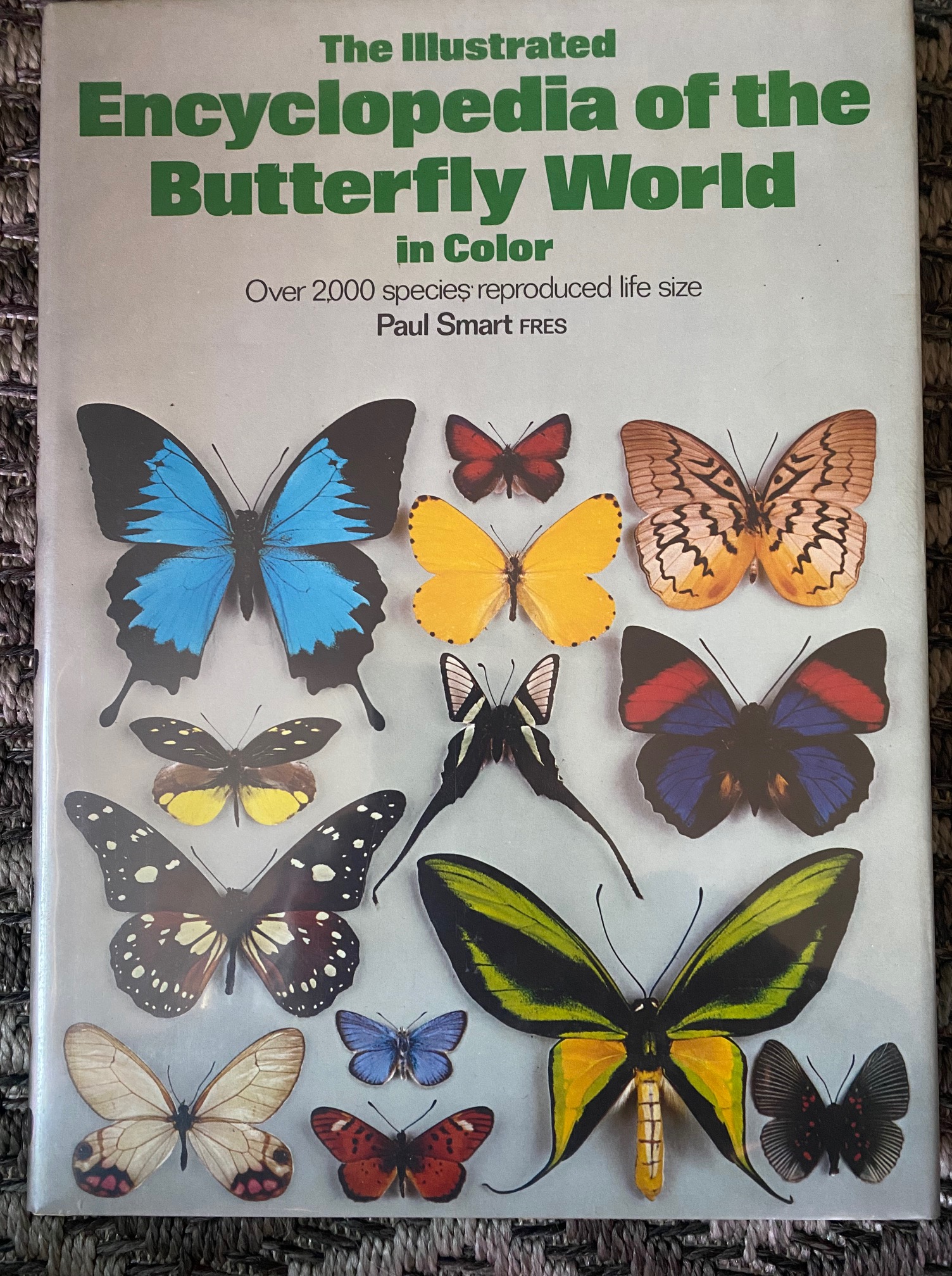
For enthusiasts of lepidopterology and vintage natural history books, few volumes command as much reverence as Paul Smart’s “The Illustrated Encyclopedia of the Butterfly World.” First published in 1975 (with the widely beloved 1985 reprint), this work remains a definitive cornerstone of entomological literature. It isn’t just a reference book; it is a visual love letter to one of nature’s most delicate and diverse orders.
A Masterpiece of Visual Curation
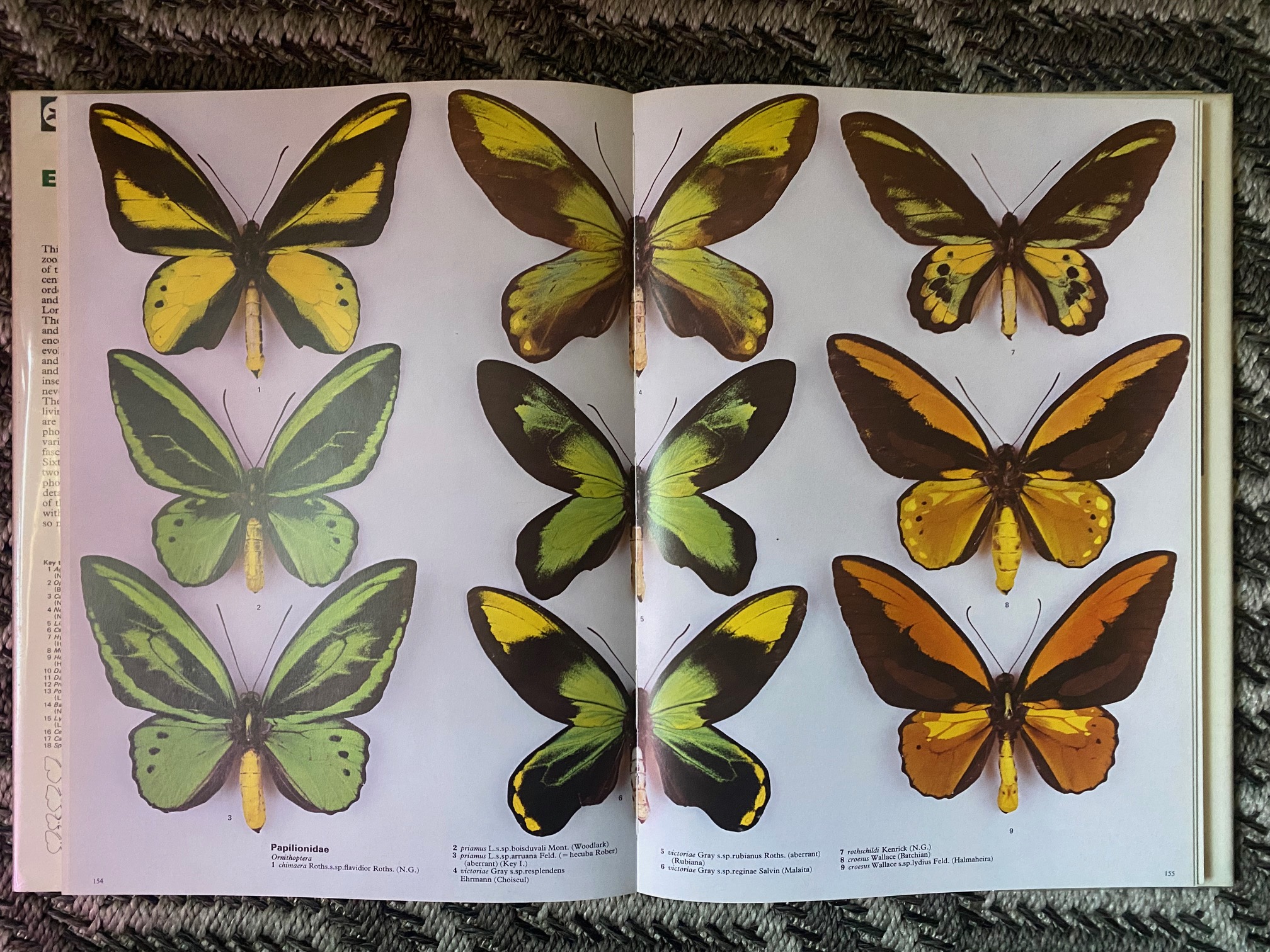
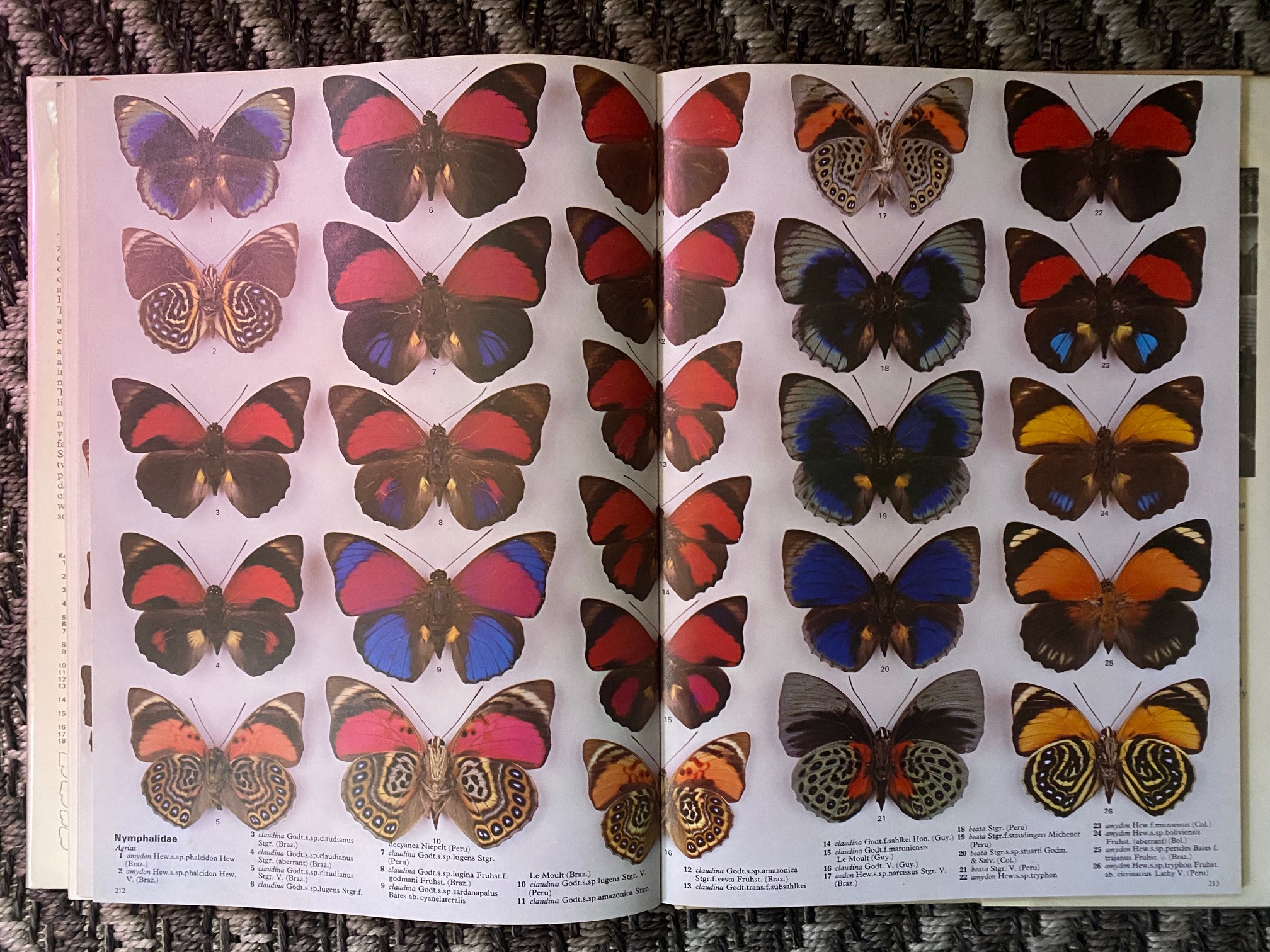
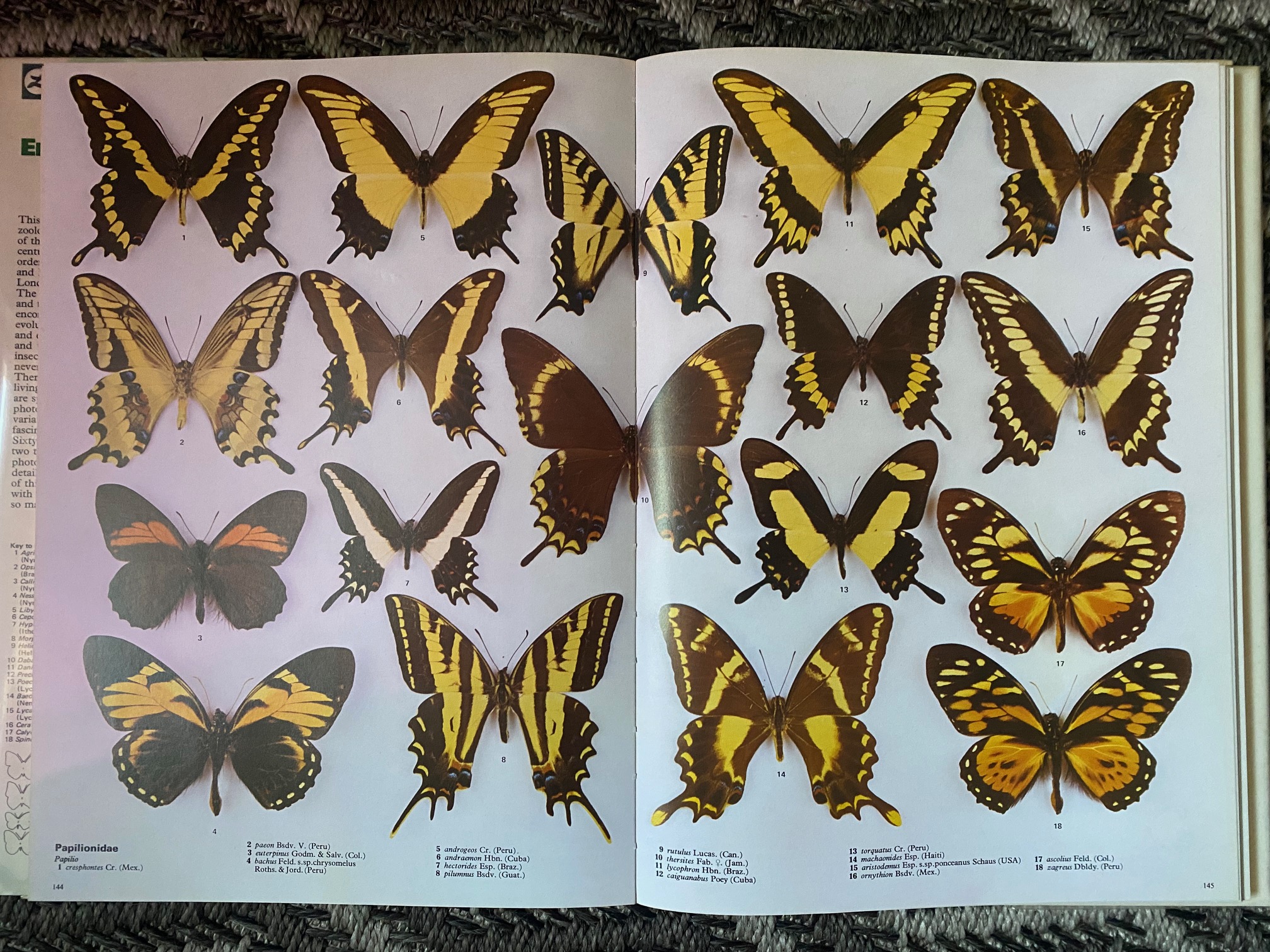
The standout feature of Smart’s encyclopedia is its breathtaking layout. Unlike modern field guides that often rely on isolated photographs, this book utilizes full-color, life-sized plates that display thousands of specimens in a structured, comparative format.
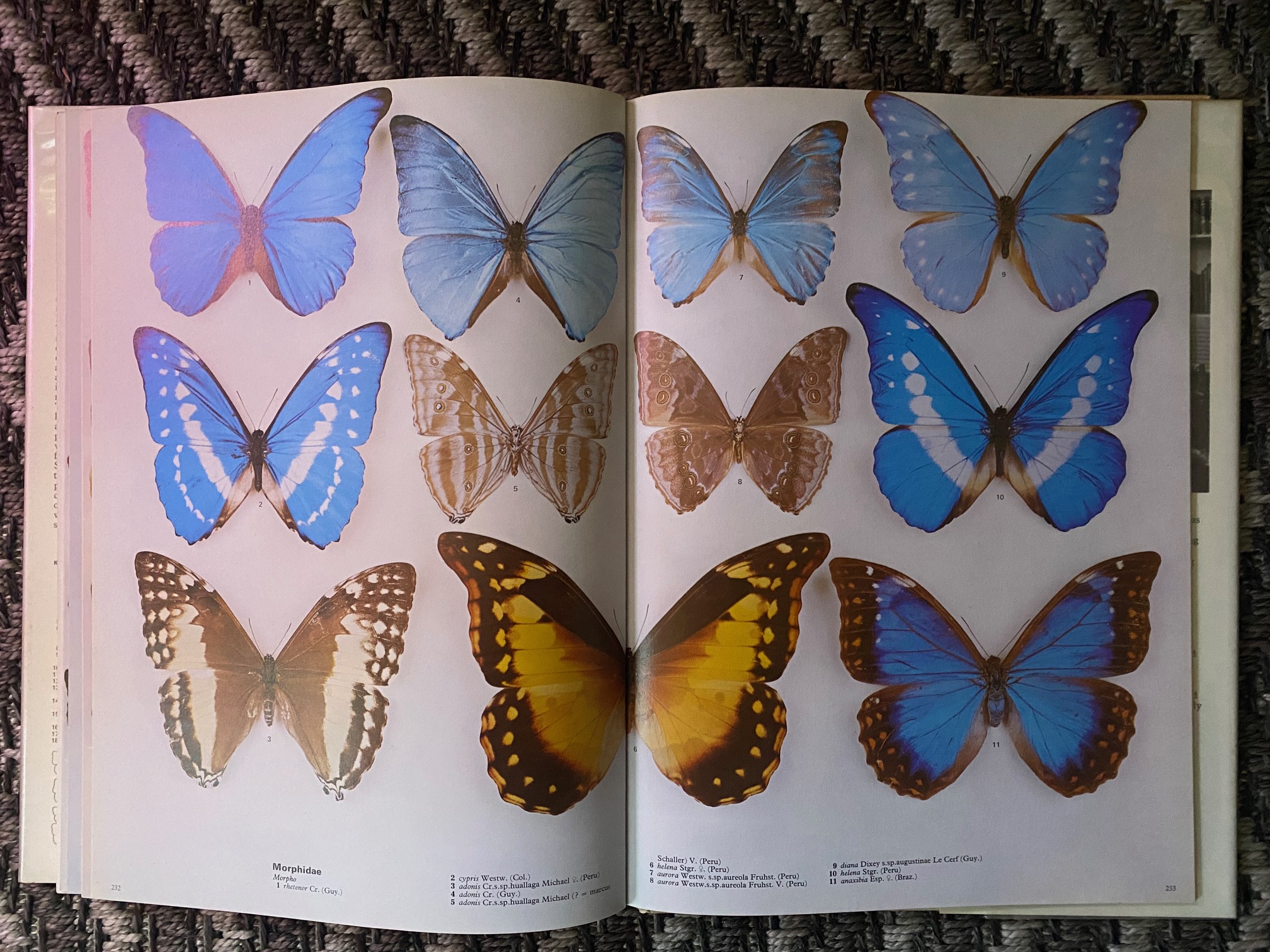
The sheer scale of the curation is staggering. Smart organized the book to showcase the incredible breadth of the Papilionoidea superfamily, from the iridescent blues of the South American Morpho to the intricate “eyespots” of the Satyridae.
- Vibrancy: The printing quality of the 1985 edition is noted for its deep saturation, capturing the metallic lusters and subtle gradients that make butterflies so mesmerizing.
- Scale: By consistently presenting specimens, the book allows readers to appreciate the gargantuan size of the Birdwings (Ornithoptera) in direct contrast to the tiny, jewel-like Lycaenids.
Scholarly Depth Meets Accessibility
While the “Illustrated” part of the title gets much of the glory, Paul Smart’s writing is equally commendable. He managed to strike a rare balance between scientific rigor and narrative passion.
Key Sections of the Volume:
- The Living Butterfly: A comprehensive introduction covering biology, life cycles, and the mechanics of flight.
- Butterflies and Environments: An exploration of ecology, mimicry, and the fascinating ways butterflies have adapted to survive predators.
- The Systematic Section: The “meat” of the book, providing detailed descriptions of families and sub-families, accompanied by their geographical distributions.
- Conservation Insight: Even in the mid-80s, Smart was highlighting the fragility of habitats, making the book feel remarkably prescient in today’s ecological climate.
Why It Remains a “Must-Have” Today
In an era of instant digital databases, you might wonder why a 40-year-old book is still so highly regarded. The answer lies in the tactile experience and the aesthetic arrangement.
There is a specific joy in flipping through these heavy, glossy pages that a screen cannot replicate. For many artists, designers, and scientists, Smart’s book serves as a primary source of inspiration. It captures a “Golden Age” of natural history publishing where the goal was to create a “museum in a book.”
“It is more than a guide; it is an immersive gallery of the world’s most beautiful insects, curated with an eye for both scientific clarity and artistic wonder.”
Legacy and Impact
Paul Smart’s work helped democratize the study of butterflies. It moved the subject away from dusty museum drawers and into the hands of the general public. For the amateur collector or the backyard gardener, it turned a passing interest into a lifelong fascination.
Whether you are looking for a rigorous identification tool or a stunning coffee table book that invites hours of wandering eyes, “The Illustrated Encyclopedia of the Butterfly World” stands as a triumphant achievement in natural history.
Discover more from
Subscribe to get the latest posts sent to your email.
 davethebugguy.org