
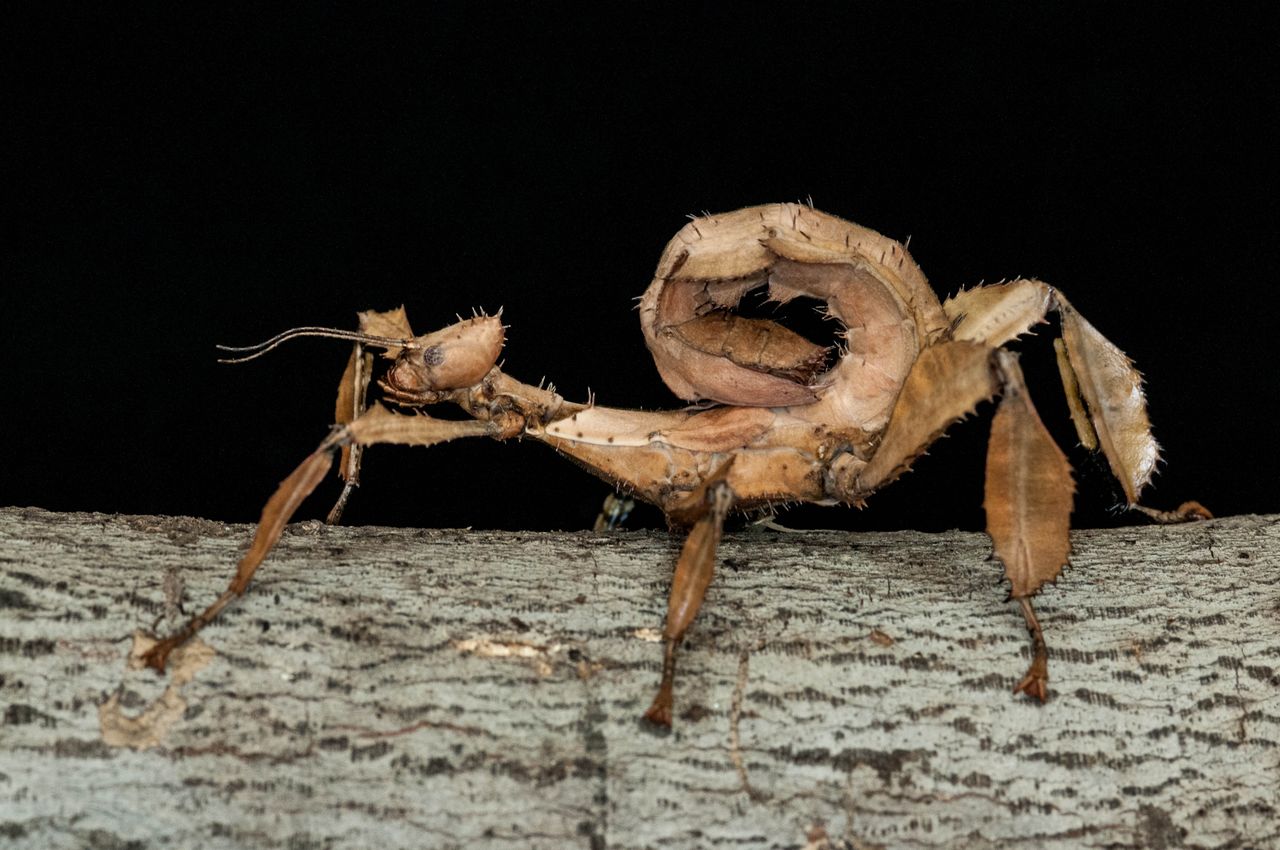
The Extatosoma tiaratum, widely known as the Spiny Leaf Insect or Macleay’s Spectre, represents one of the most sophisticated examples of evolutionary camouflage in the animal kingdom. Originating from the diverse ecosystems of eastern Australia, ranging from tropical rainforests to temperate woodlands, this stick insect has developed a morphology that renders it nearly indistinguishable from a dried, shriveled leaf. Beyond its aesthetic appeal, it has become a favorite among entomologists and exotic pet enthusiasts due to its docile temperament and the fascinating biological processes it displays throughout its life cycle.
Physical Characteristics and Sexual Dimorphism
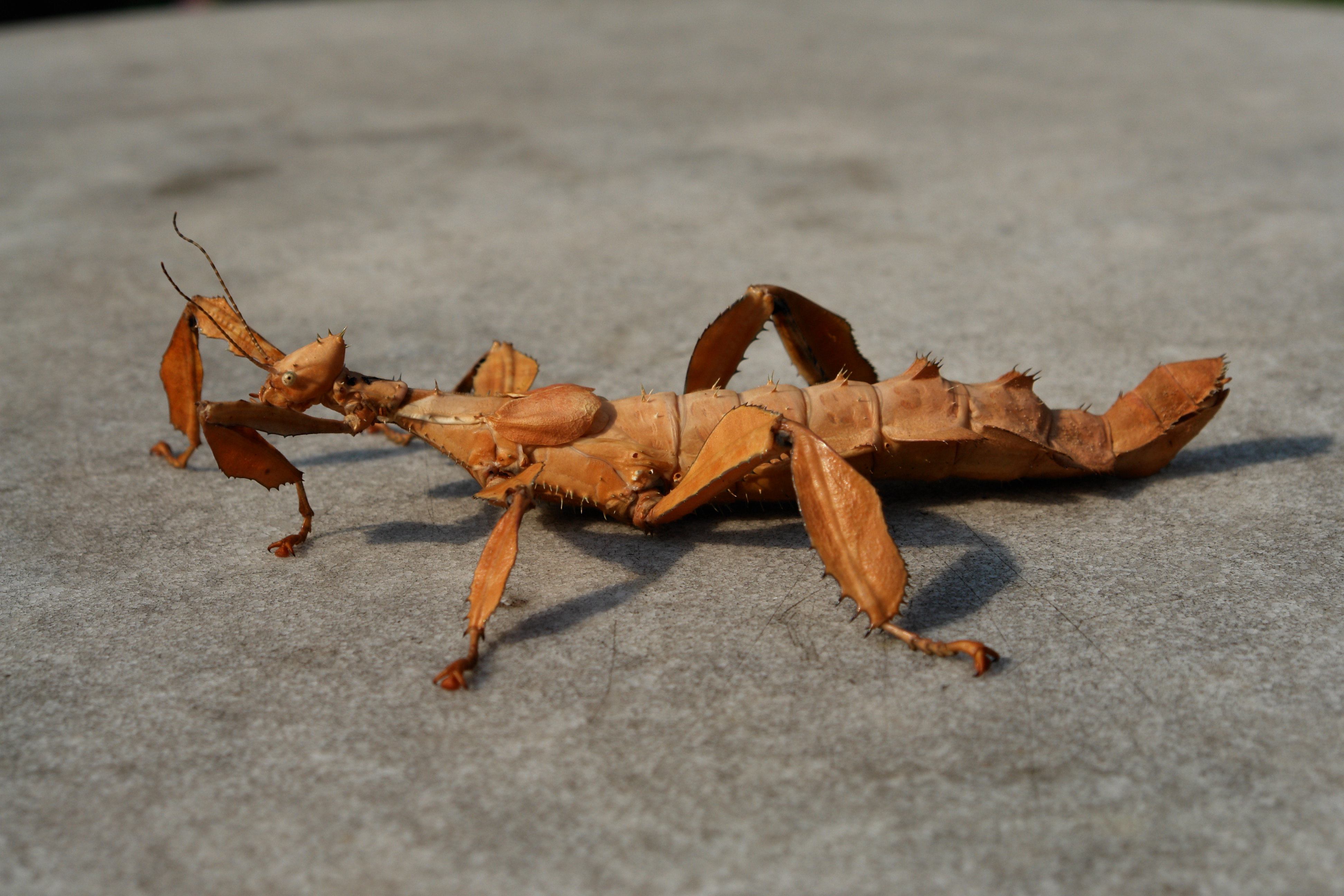
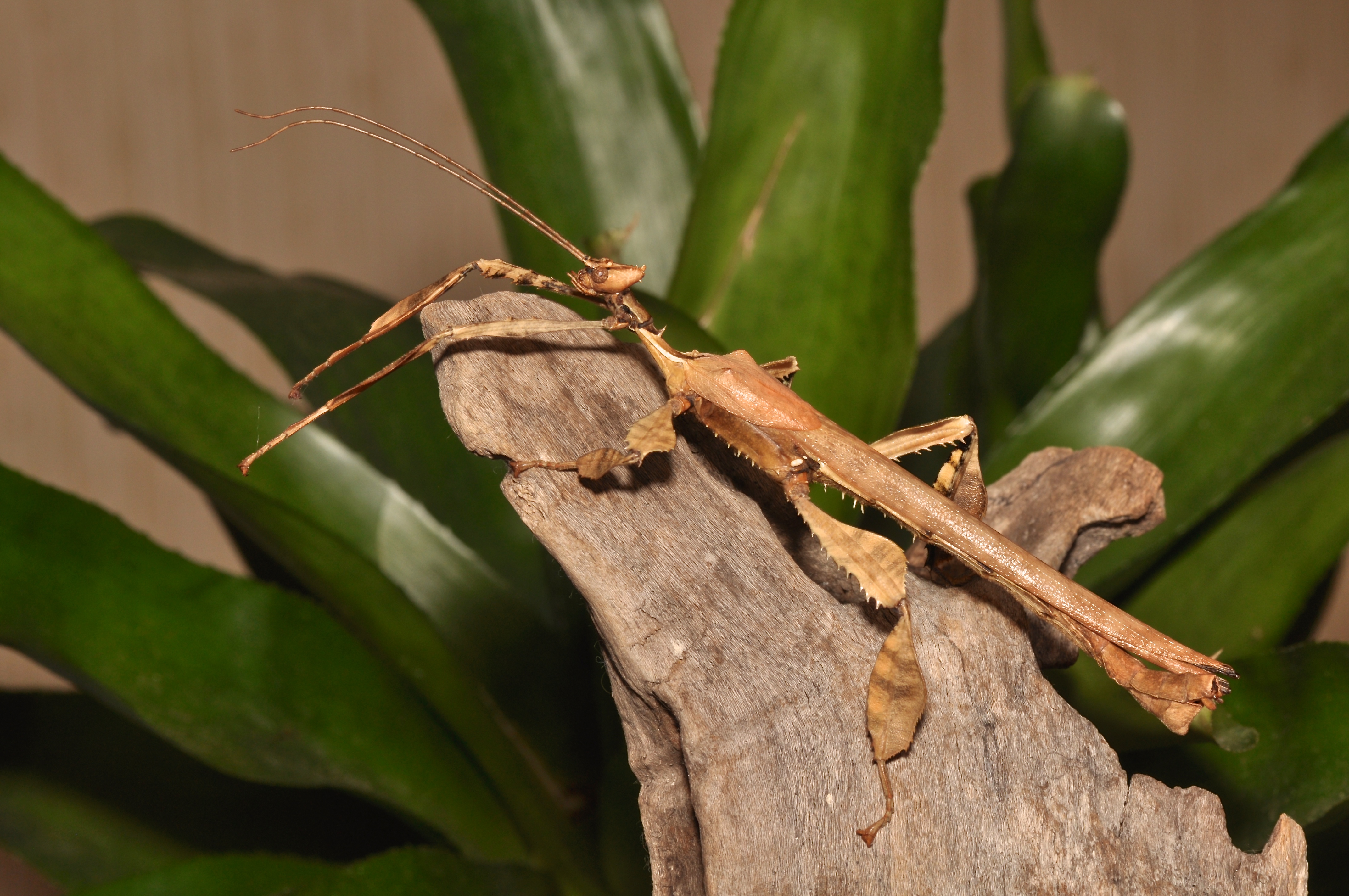
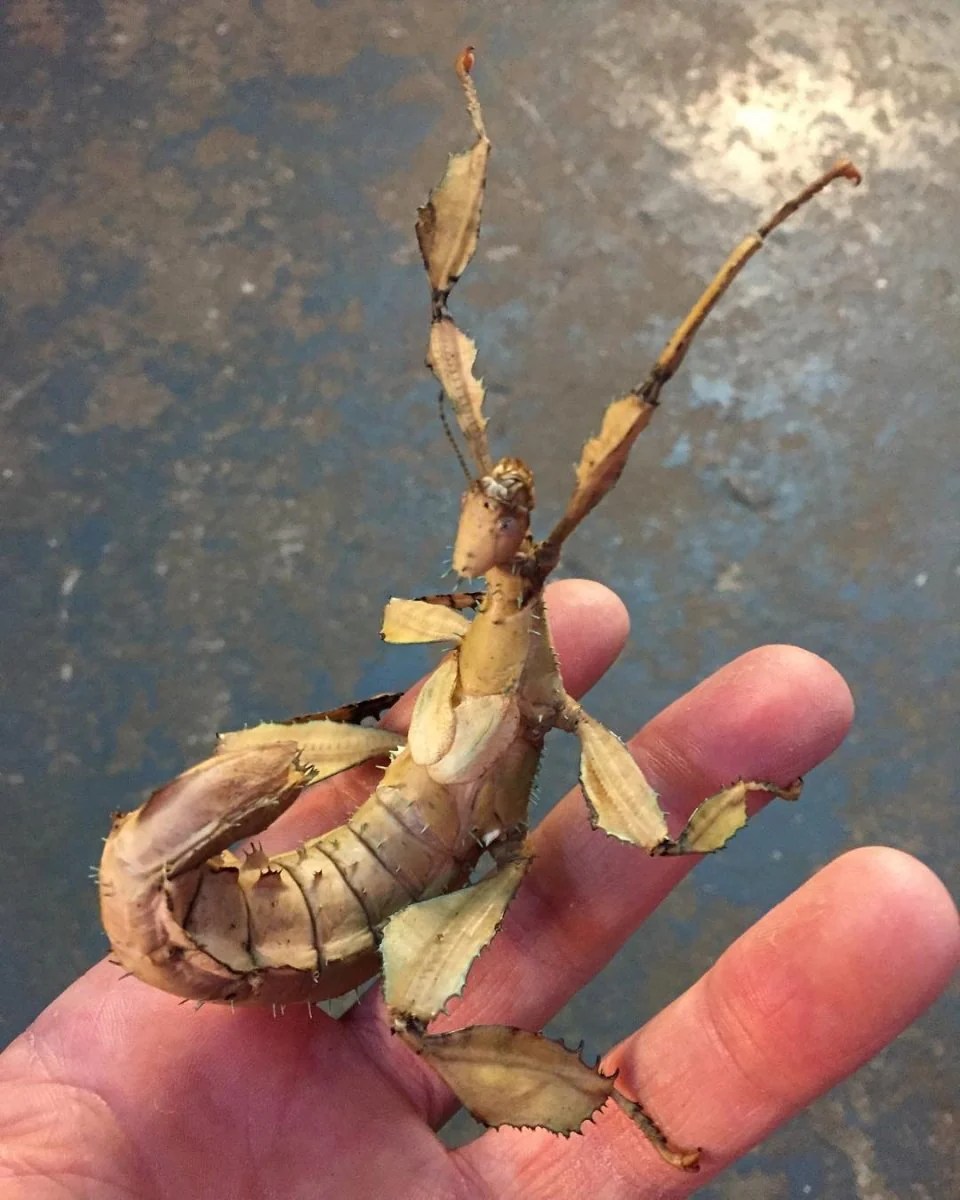
The species is defined by extreme sexual dimorphism, a trait where the male and female look so different they are often mistaken for separate species. The female is the more imposing of the two, growing up to 20 centimeters in length with a heavy, stout body covered in thorn-like spikes for protection. Her wings are merely small, decorative flaps, leaving her flightless and dependent on her disguise. In contrast, the male is slender, reaching only about 11 centimeters, and possesses long, functional wings that allow him to fly in search of mates. While both sexes typically exhibit shades of mottled brown or beige to match dead foliage, their color is remarkably plastic; depending on the humidity and light levels during their growth, individuals can emerge in sandy yellows, vivid greens, or even a rare lichen-mimicking grey.
Survival Strategies and Defensive Mimicry
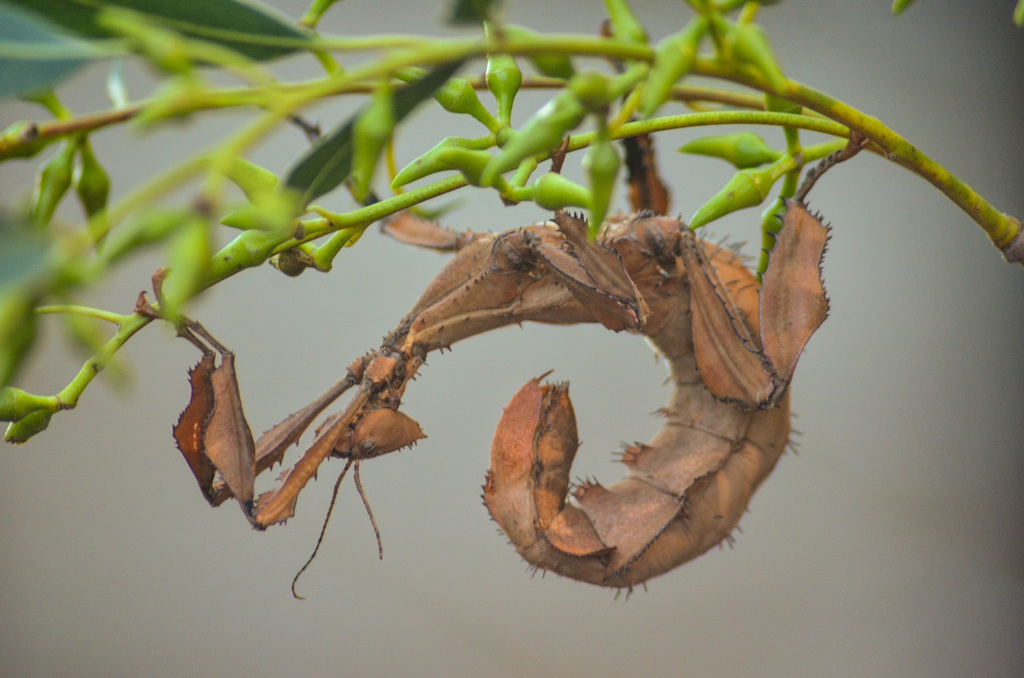
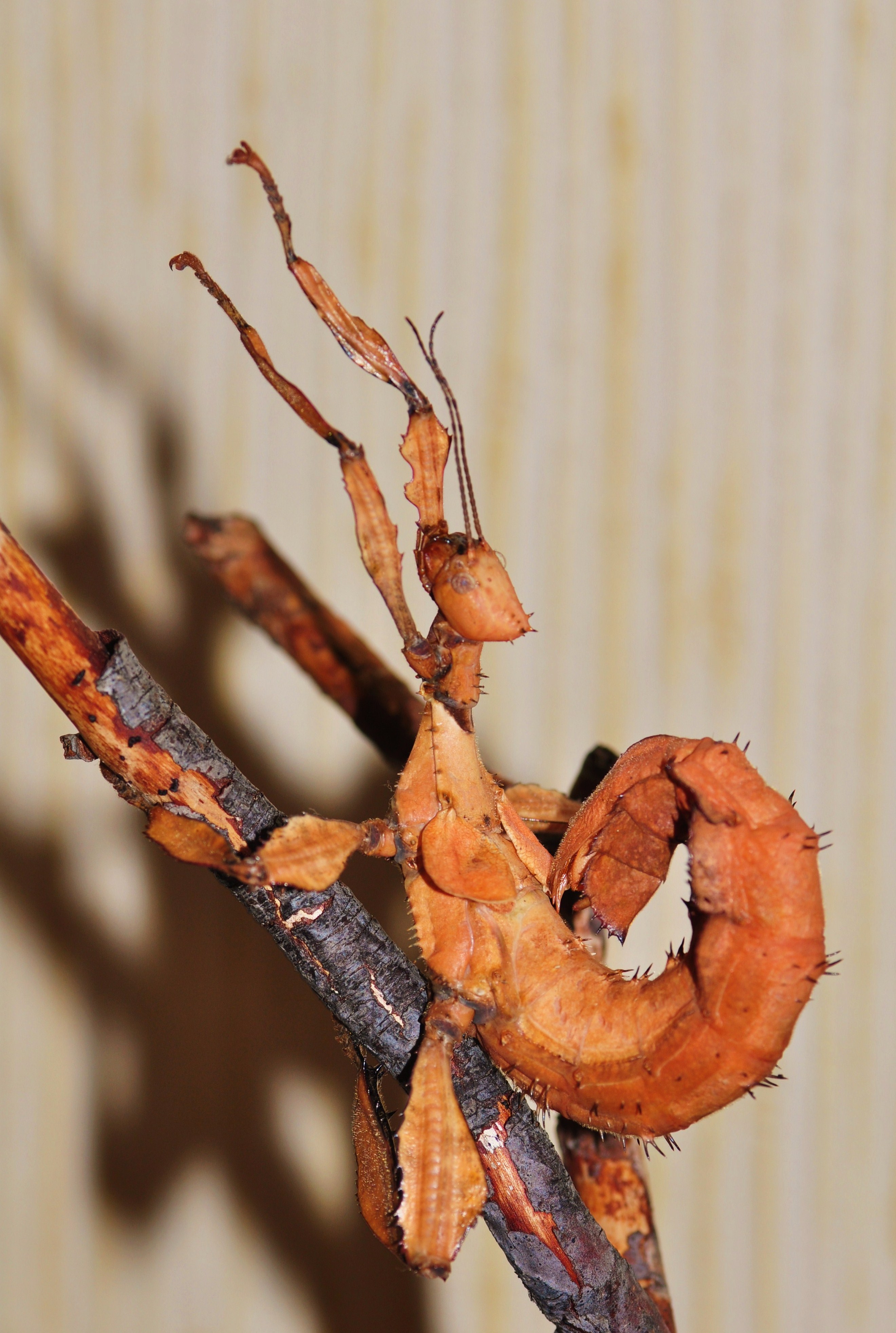
Survival for the Spiny Leaf Insect depends on a multi-layered system of behavioral mimicry. To avoid detection by sharp-eyed birds and lizards, the insect employs a “sway” strategy, rhythmically rocking back and forth to simulate a leaf caught in a breeze. If this passive camouflage fails and the insect is disturbed, it transitions into a more aggressive bluff known as the scorpion pose. By curling its abdomen over its back, it mimics the silhouette of a venomous scorpion to intimidate potential threats. Furthermore, adults possess specialized glands that can emit a defensive scent. Interestingly, while many predators find this chemical deterrent off-putting, humans often describe the aroma as surprisingly pleasant, noting scents similar to peanut butter, toffee, or vinegar.
The Complex Lifecycle and Ant Symbiosis
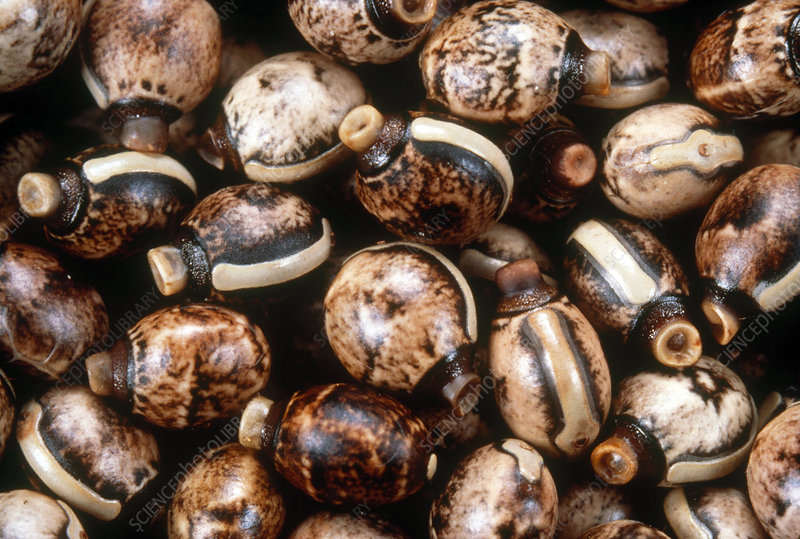
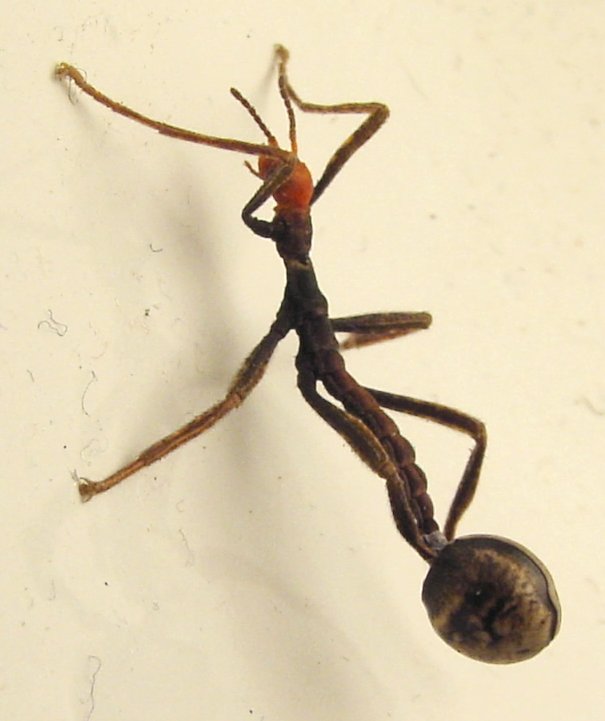
The reproductive biology of Extatosoma tiaratum is as complex as its appearance, involving both parthenogenesis and a symbiotic relationship with ground-dwelling ants. Females can produce offspring without a male through parthenogenesis, though these eggs only result in female clones and take significantly longer to hatch—sometimes up to nine months or more. When a female lays her eggs, she flicks them from the canopy to the forest floor. These eggs feature a fleshy knob called an elaiosome, which mimics a nutrient-rich seed. This lures ants into carrying the eggs back to their underground nests. Protected from the elements and predators within the ant colony, the nymphs eventually hatch. These newborns, known as nymphs, look and run like Leptomyrmex ants, allowing them to safely exit the nest and climb into the trees before molting into their slower, leaf-like adult forms.
Captive Care and Environmental Requirements
In captivity, providing a suitable environment is essential for the health of these insects, particularly regarding their unique molting process. An enclosure must provide significant vertical space, ideally measuring at least three times the height of the adult insect, to ensure they can hang upside down and slip out of their old exoskeleton without hitting the floor. While they are hardy, they require consistent humidity levels between 60% and 80%, which can be maintained through daily misting. This misting also provides the insects with their primary water source. Their diet is strictly herbivorous; while they feed on Eucalyptus in the wild, they adapt well to various alternatives in a domestic setting, including bramble, blackberry, raspberry, oak, and rose leaves.
To ensure your Spiny Leaf Insects stay healthy and hydrated, you can follow this structured feeding and maintenance schedule. Because they are delicate during certain phases of their life, consistency is more important than complexity.

Safe Plant Species List
While Eucalyptus is their natural food source, it can be difficult to source in some regions. Fortunately, Extatosoma tiaratum is a generalist feeder that accepts several common plants. Always ensure these are free of pesticides, fertilizers, and systemic insecticides (often found in florist-bought roses).
- Bramble (Blackberry): The “gold standard” for captive stick insects. It is hardy, widely available, and evergreen in many climates.
- Raspberry: A favorite alternative, though the leaves are softer and may wilt faster than blackberry.
- Oak (Quercus): A great seasonal choice, though deciduous species will lose their leaves in winter.
- Rose: Highly palatable, but you must ensure the plant has not been treated with chemicals, which are very common in commercial rose gardening.
- Hawthorn: A suitable supplemental food source during the spring and summer.
Weekly Feeding & Maintenance Schedule
This schedule is designed for a standard mesh enclosure at room temperature.
Daily: Hydration and Monitoring
Every morning or evening, lightly mist the foliage inside the enclosure with a spray bottle filled with dechlorinated water. The insects rarely drink from a bowl; instead, they sip droplets from the leaves. This misting also keeps the humidity high enough to prevent “bad molts,” where the insect gets stuck in its skin. During this time, do a quick count to ensure everyone is active and hanging normally.
Every 3 to 4 Days: Leaf Inspection
Check the condition of the food branches. Because these insects require high humidity, the cut ends of the branches should be placed in a narrow-necked jar of water (plug the neck with paper towels so the insects don’t fall in and drown). If the leaves feel crispy or look yellow, they are losing their nutritional value and should be prepared for replacement.
Weekly: The “Fresh Buffet”
At least once a week, replace all the foliage with fresh clippings. Even if the insects haven’t finished the old leaves, fresh branches provide better hydration and nutrition. When swapping branches, carefully move the insects by nudging them from behind or allowing them to crawl onto your hand; never pull them off a branch by their legs, as they can easily lose limbs.
Bi-Weekly: Deep Clean
Remove the insects and the food jars to wipe down the bottom of the enclosure. You will find a significant amount of “frass” (insect droppings), which look like small, dry seeds. If you have a breeding pair, you may want to sift through the frass to collect eggs before disposing of the waste.
Important Tip for Nymphs (Babies)
If you are raising young nymphs, they sometimes struggle to “break” the edge of a tough leaf. You can help them by using a pair of scissors to snip the edges off the leaves. This exposes the softer inner tissue and makes it much easier for the tiny insects to begin feeding.
Discover more from
Subscribe to get the latest posts sent to your email.
 davethebugguy.org