
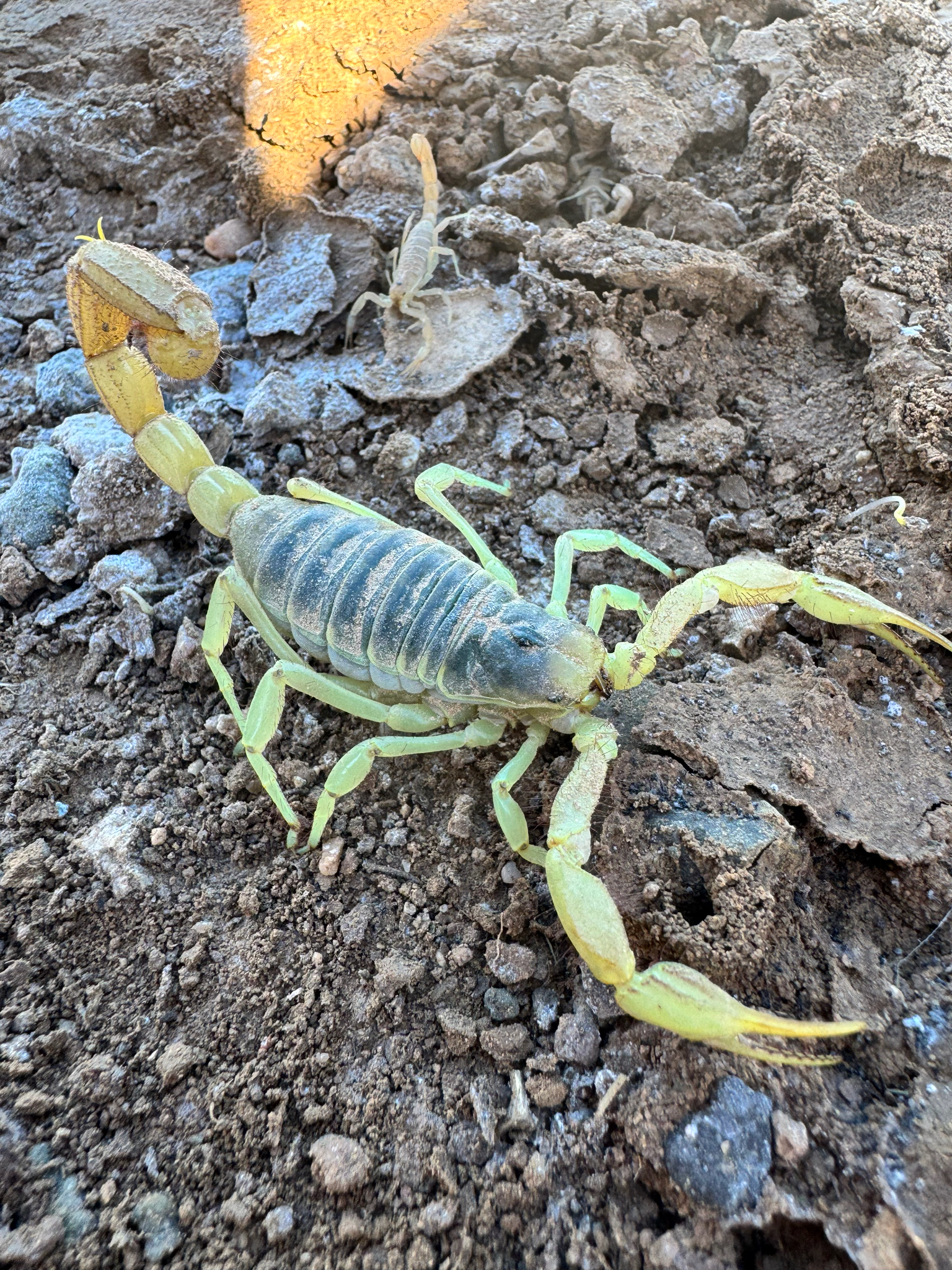
Hadrurus arizonensis, more commonly recognized as the Giant Desert Hairy Scorpion, stands as a legendary figure of the North American wilderness. As the largest scorpion species native to the United States, it has captured the fascination of both biologists and exotic pet enthusiasts alike. Unlike many of its smaller, more reclusive relatives, this species is a bold predator that has perfectly adapted to the unforgiving heat and aridity of the desert landscape.

Scientific Classification and Origin
Belonging to the family Hadruridae, Hadrurus arizonensis is the crown jewel of its genus. It is primarily found within the vast expanses of the Sonoran and Mojave Deserts, stretching across the Southwestern United States—specifically Arizona, California, Nevada, and Utah—and reaching down into the northern regions of Mexico. This scorpion has evolved over millions of years to thrive in ecosystems where water is scarce, and temperatures fluctuate wildly between blistering days and freezing nights.
Physical Characteristics and Identification
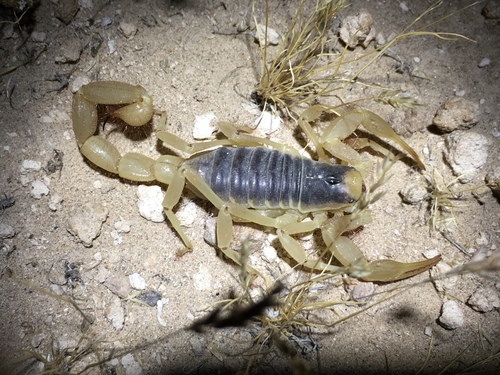
The most striking feature of the Giant Desert Hairy Scorpion is its impressive scale, with mature adults frequently reaching lengths of 5.5 to 7 inches (14–18 cm). Its body displays a distinct color palette consisting of a pale, straw-colored or yellowish exoskeleton, which is often contrasted by a dark, olive-toned “saddle” on the dorsal (top) side of its cephalothorax.
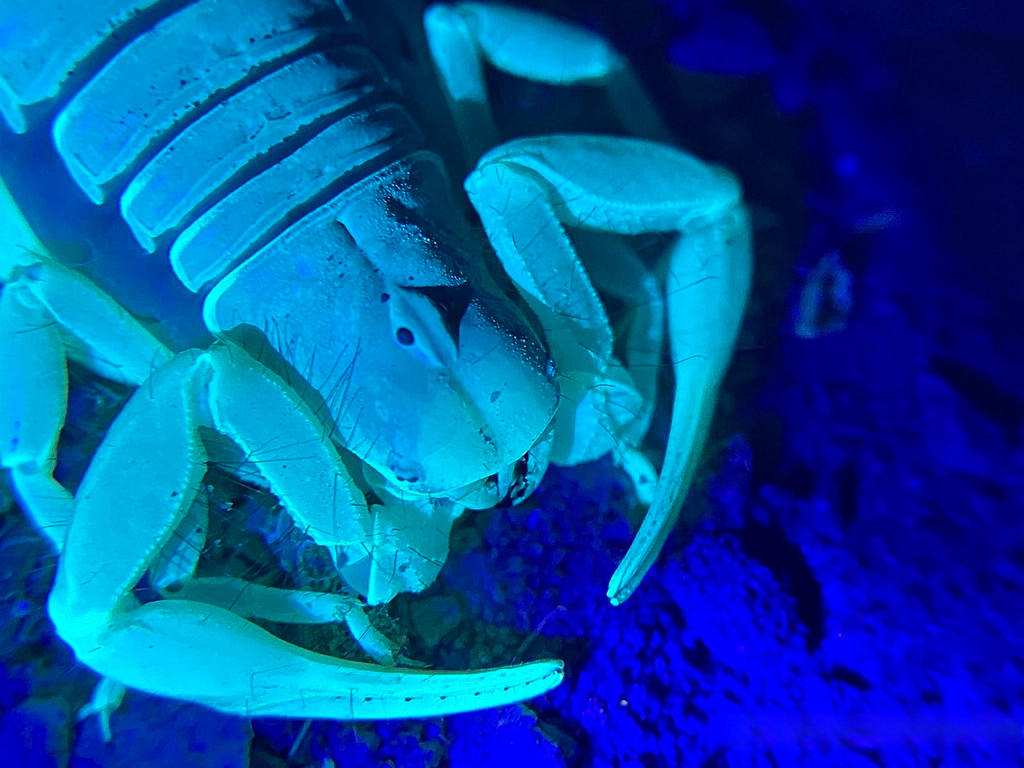
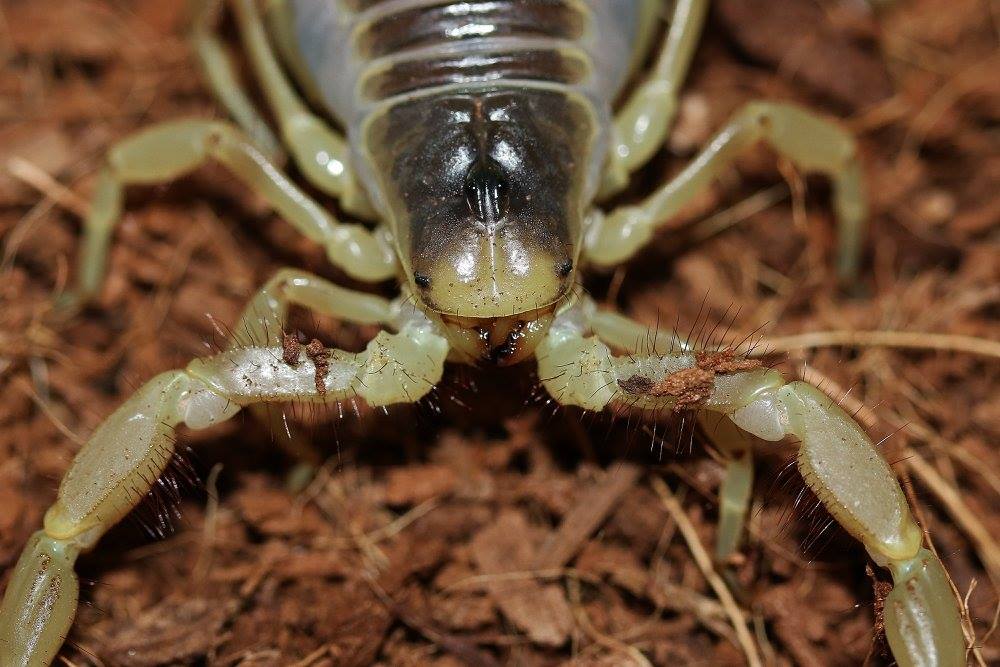
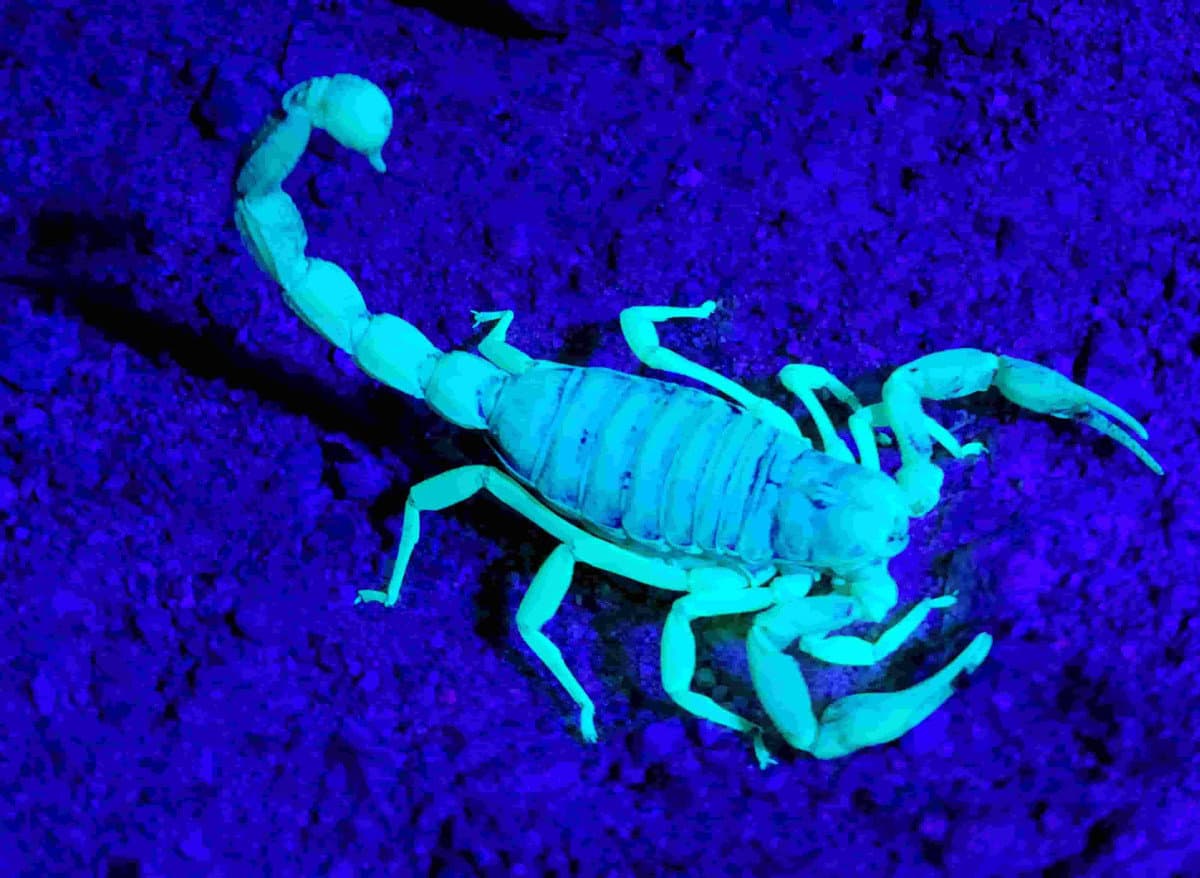
The species earns its “hairy” moniker from the dense coating of brown setae (sensory hairs) covering its tail, legs, and pedipalps. These hairs are not merely decorative; they serve as sophisticated sensory organs that detect minute vibrations in the air and soil, allowing the scorpion to locate prey or avoid predators in total darkness. Like most scorpions, Hadrurus arizonensis also possesses the remarkable ability to fluoresce a brilliant neon green or blue under ultraviolet (UV) light due to specific proteins in its cuticle.
Behavior, Diet, and Defensive Temperament
In the wild, this scorpion is a highly active nocturnal hunter. It employs a “sit-and-wait” strategy or actively prowls the desert floor in search of a varied diet. While it primarily consumes insects and spiders, its size allows it to tackle larger prey, including small lizards, snakes, and even other scorpions. It uses its powerful pedipalps (pincers) to seize and crush its victims, only utilizing its stinger if the prey proves particularly difficult to subdue.
Regarding its temperament, the Giant Desert Hairy Scorpion is known for being defensive and territorial. When threatened, it would rather flee any danger. If it is unable to escape, it will readily adopt a defensive posture, arching its metasoma (tail) over its head and waving its pincers. While its venom is not considered medically significant or lethal to a healthy human, the sting is described as being roughly equivalent to that of a hornet, often resulting in localized pain, swelling, and redness.
Habitat and Burrowing Lifestyle
This species is an obligate burrower, meaning its survival depends on its ability to dig deep into the earth. These burrows can extend several feet below the surface, reaching the cooler, more humid layers of soil that protect the scorpion from the desiccating desert heat. This behavior is so ingrained that in a captive environment, providing a shallow substrate is considered detrimental to their health. They are solitary creatures that rarely interact with others of their kind except during mating, and any encounter between two adults usually results in a territorial dispute or cannibalism.
Care in Captivity and Key Considerations
Keeping Hadrurus arizonensis in a home setting requires a commitment to mimicking the arid conditions of the Southwest. An ideal enclosure must prioritize depth and drainage, utilizing a substrate of packed sand mixed with a small amount of clay to allow for stable, permanent burrow walls. Temperatures should be maintained at a high level during the day, ideally between 75–85°F (24–29°C), with a significant drop at night to simulate the desert cycle.
Humidity must be kept very low, as excessive moisture can lead to a fatal fungal infection known as mycosis. Hydration is typically provided through a shallow water dish or by very occasional, light misting of one corner of the enclosure. Because they are slow to mature and difficult to breed in captivity, many individuals in the pet trade are wild-caught, making it essential for keepers to ensure they are sourcing their animals ethically and providing the specialized care required for a long life, which can span up to 20 years.
Discover more from
Subscribe to get the latest posts sent to your email.
 davethebugguy.org