
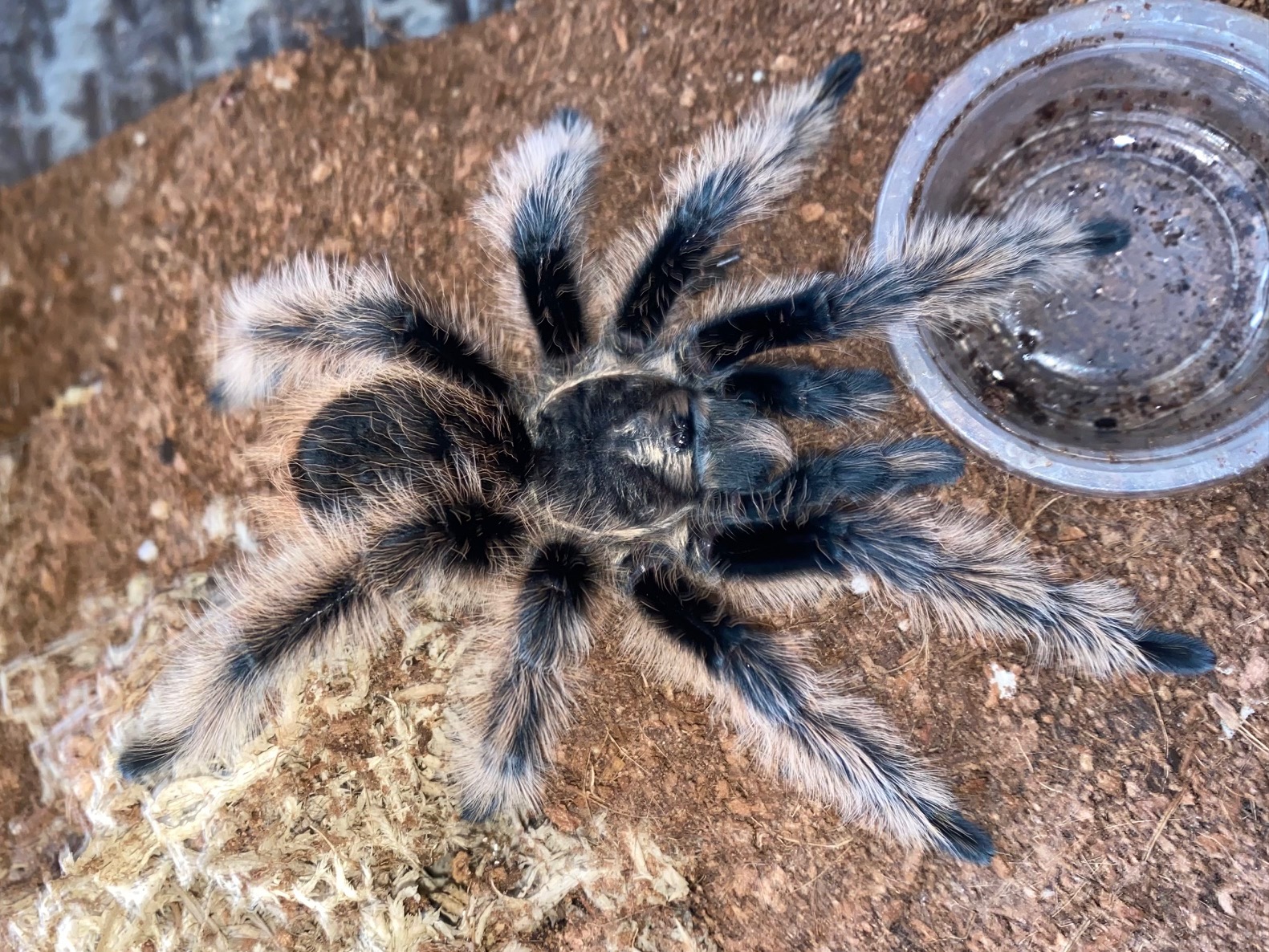
The Tliltocatl albopilosus, universally known as the Curly Hair Tarantula or sometimes the Woolly Tarantula, is arguably the most popular beginner tarantula species in the hobby. Celebrated for its docile nature, hardiness, and unique, charmingly shaggy appearance, this New World species makes an excellent ambassador for the world of exotic pets.
Scientific Classification and Origin
- Scientific Name: Tliltocatl albopilosus (Formerly Brachypelma albopilosum)
- Genus: Tliltocatl
- Family: Theraphosidae
- Origin: Central America, specifically native to the tropical rainforests and scrublands of Honduras, Nicaragua, and Costa Rica.
- Taxonomic Note: The species underwent a reclassification from Brachypelma to Tliltocatl in 2019. Different “forms” (Honduran and Nicaraguan/Costa Rican) exist in the hobby, distinguished by slight variations in the lightness and density of their body hair.

Physical Characteristics
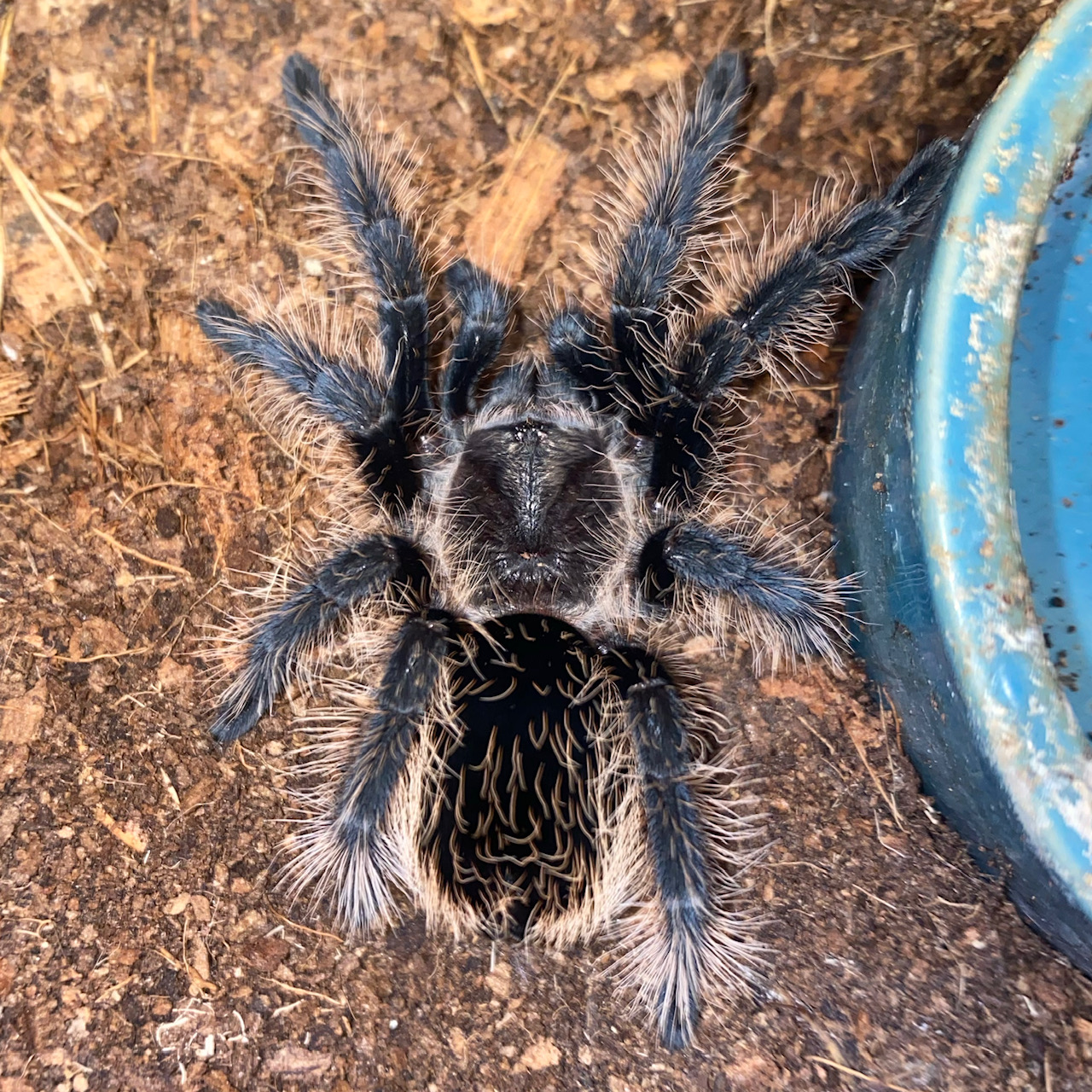
The Curly Hair Tarantula is defined by the long, distinctive setae (hairs) that cover its entire body.
- Size: Adults typically reach a leg span of 5 to 6 inches (13–15 cm). Females are bulkier than the lankier mature males.
- Appearance: Its thick, wiry, curly hairs give it a “fluffy” or unkempt look.
- Coloration: The underlying body and short hairs are dark brown to black, but they are overlaid with long, golden-bronze to light-colored bristles, giving the tarantula an overall bronze or coppery sheen.
- Lifespan: This is a long-lived species.
- Females: Can live for 20 to 25 years or more in captivity.
- Males: Have a significantly shorter lifespan, typically reaching maturity around 3–4 years and living only 4 to 6 years total.
Behavior and Temperament
The temperament of T. albopilosus is the key reason for its popularity as a pet.
- Temperament: Generally considered docile, calm, and slow-moving. While individuals vary, they are one of the least defensive tarantula species.
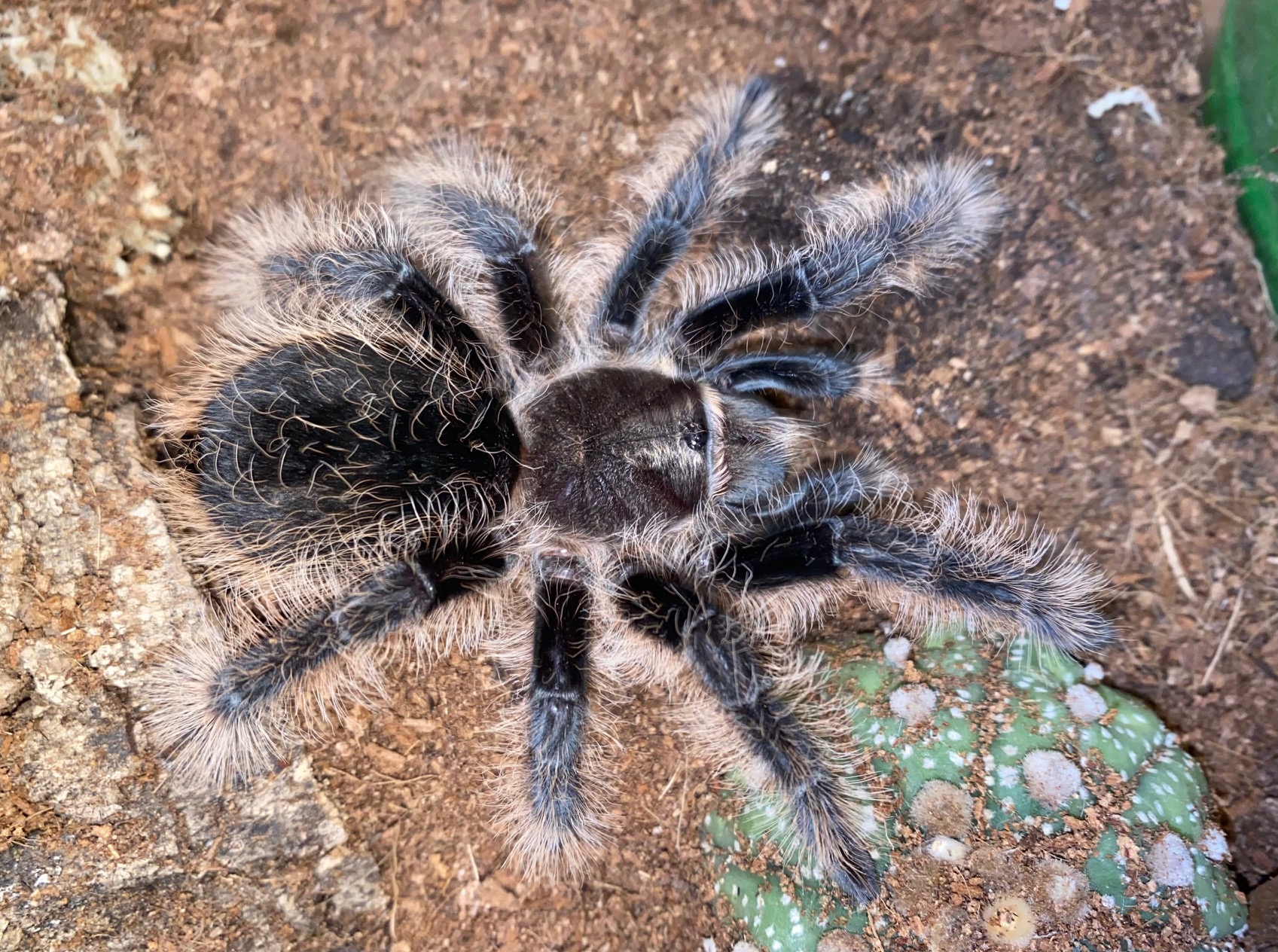
- Defense Mechanism: As a New World tarantula, its primary defense is the use of urticating hairs. If threatened or agitated, it will use its hind legs to flick these fine, irritating bristles from its abdomen.
- Note: Though they possess these hairs, they are slow to use them compared to other New World species. Their venom is considered mild, akin to a bee sting, and not medically significant to healthy humans.
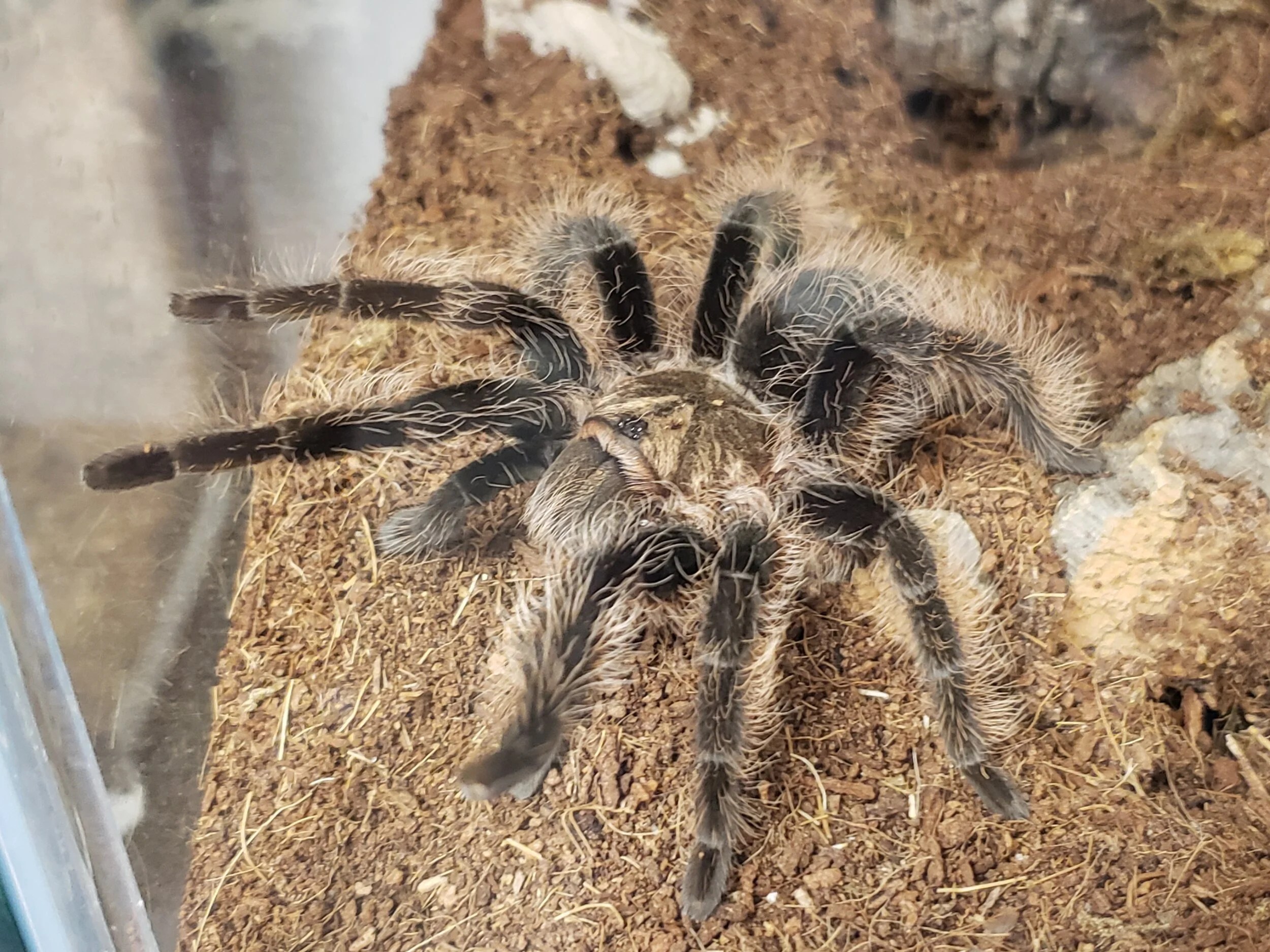
- Lifestyle: They are semi-fossorial (or semi-burrowing) and terrestrial. While slings and juveniles are often obligate burrowers, adults frequently stay out on display, often adopting a pre-made hide or establishing a shallow burrow lined with silk near the surface.
Care in Captivity (Beginner Friendly)
- Enclosure: A horizontal enclosure (more floor space than height) is recommended to minimize fall risk. A 5–10 gallon tank is suitable for an adult.
- Substrate & Hide: A deep layer (5+ inches) of a moisture-retentive substrate like coconut fiber or peat moss should be provided to allow for natural burrowing behavior. Cork bark or a half-log should be offered as a starting hide.
- Temperature: They are very hardy and do well at normal room temperatures, ideally between 70°F–80°F (21°C–27°C).
- Humidity: Moderate humidity is required (around 65–70%). This is best maintained by keeping the lower layers of the substrate moist while allowing the surface to dry, and by keeping a shallow, full water dish available. Over-misting should be avoided to prevent mold.
- Feeding: They are voracious eaters. Adults are typically fed appropriately sized live insects (crickets, roaches, mealworms) every 7 to 14 days, with frequency adjusted based on the size of their abdomen.
Discover more from
Subscribe to get the latest posts sent to your email.
 davethebugguy.org
very nice article. thank you for writing. just got my first tarantula this year and it was a tliltocatl albopilosus, and this helps a lot.
Thanks, Naomi. I’m glad you found it useful!