

From the dense, humid rainforests of the Malay Peninsula and surrounding islands of Southeast Asia comes Heteropteryx dilatata, popularly known as the Jungle Nymph, Malayan Jungle Nymph, or Giant Malaysian Stick Insect. This monumental stick insect is revered for its incredible size, striking appearance, and remarkable camouflage, making it one of the largest and most sought-after species in the entomology hobby.
A Master of Disguise: Appearance and Distinctive Patterns
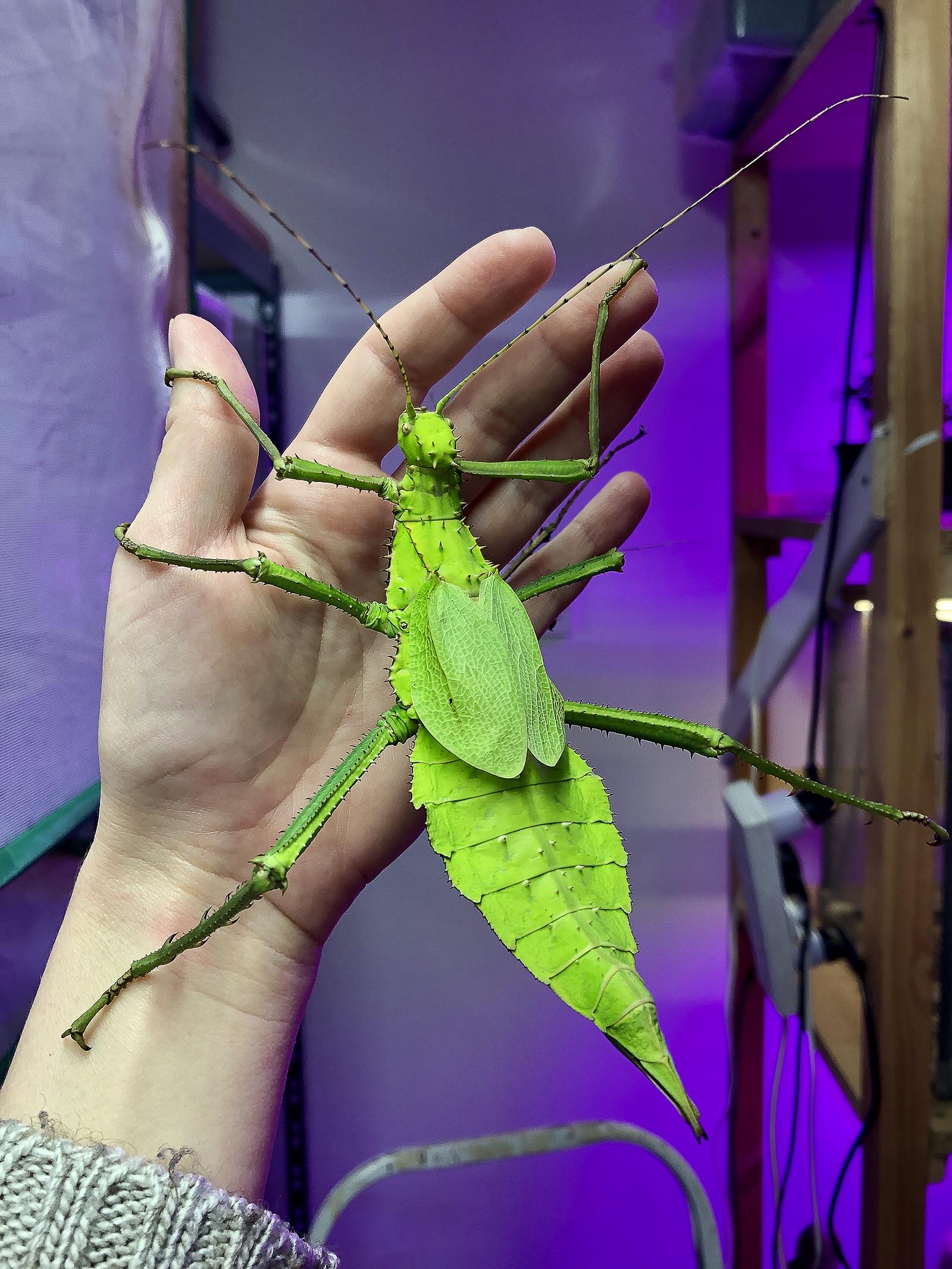
Heteropteryx dilatata is a true giant among insects, with adult females being one of the heaviest and most robust stick insects in the world. Adult females can reach a body length of up to 6 inches (15 cm), while males are smaller and more slender. The species exhibits pronounced sexual dimorphism, a key feature of its biology.
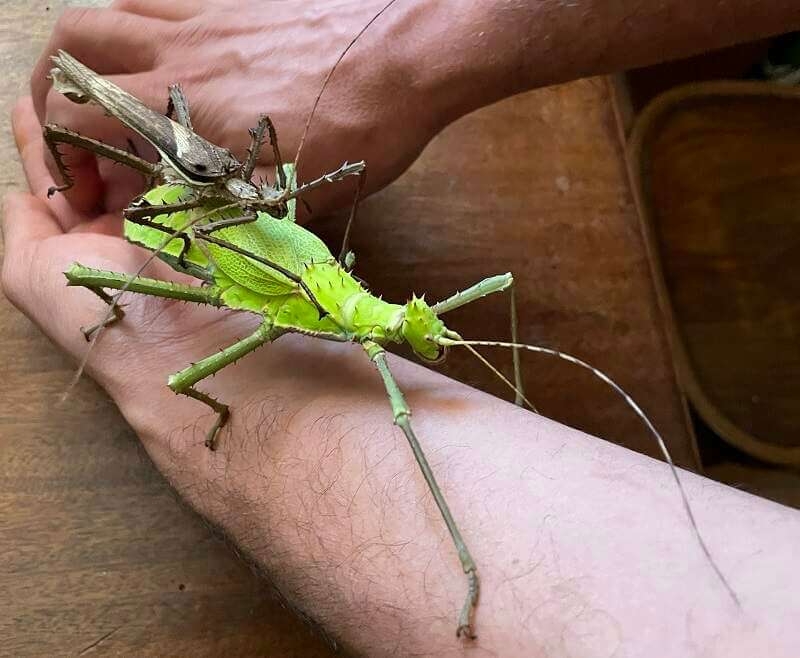
Female: Adult females are the most imposing members of the species. Their bodies are broad and flattened, covered in a textured, often moss-like pattern of vibrant lime green, yellowish-green, or brownish-green. This coloration and texture allows them to blend in seamlessly with the foliage of their habitat. Their wings are very small and non-functional, a testament to their heavy build. The most striking feature of the female is her massive, spiny legs and a series of large, thorny spines along her body, which serve as a formidable defense.
Male: In stark contrast, mature males are much smaller and more slender, with a body length of only about 3.5 inches (9 cm). They are a uniform reddish-brown or dark brown color and are fully winged, capable of flight. Their wings are often a deep reddish-brown with a subtle pattern. The male’s antennae are also longer than those of the female.
This dramatic difference in size and appearance between the sexes is a classic example of sexual dimorphism in the insect world.
Distribution and Habitat: A Southeast Asian Forest Dweller
Heteropteryx dilatata is endemic to the tropical rainforests of the Malay Peninsula, including regions of Malaysia, Singapore, and parts of Sumatra. Its natural habitat is characterized by high humidity, consistent temperatures, and an abundance of leafy vegetation.
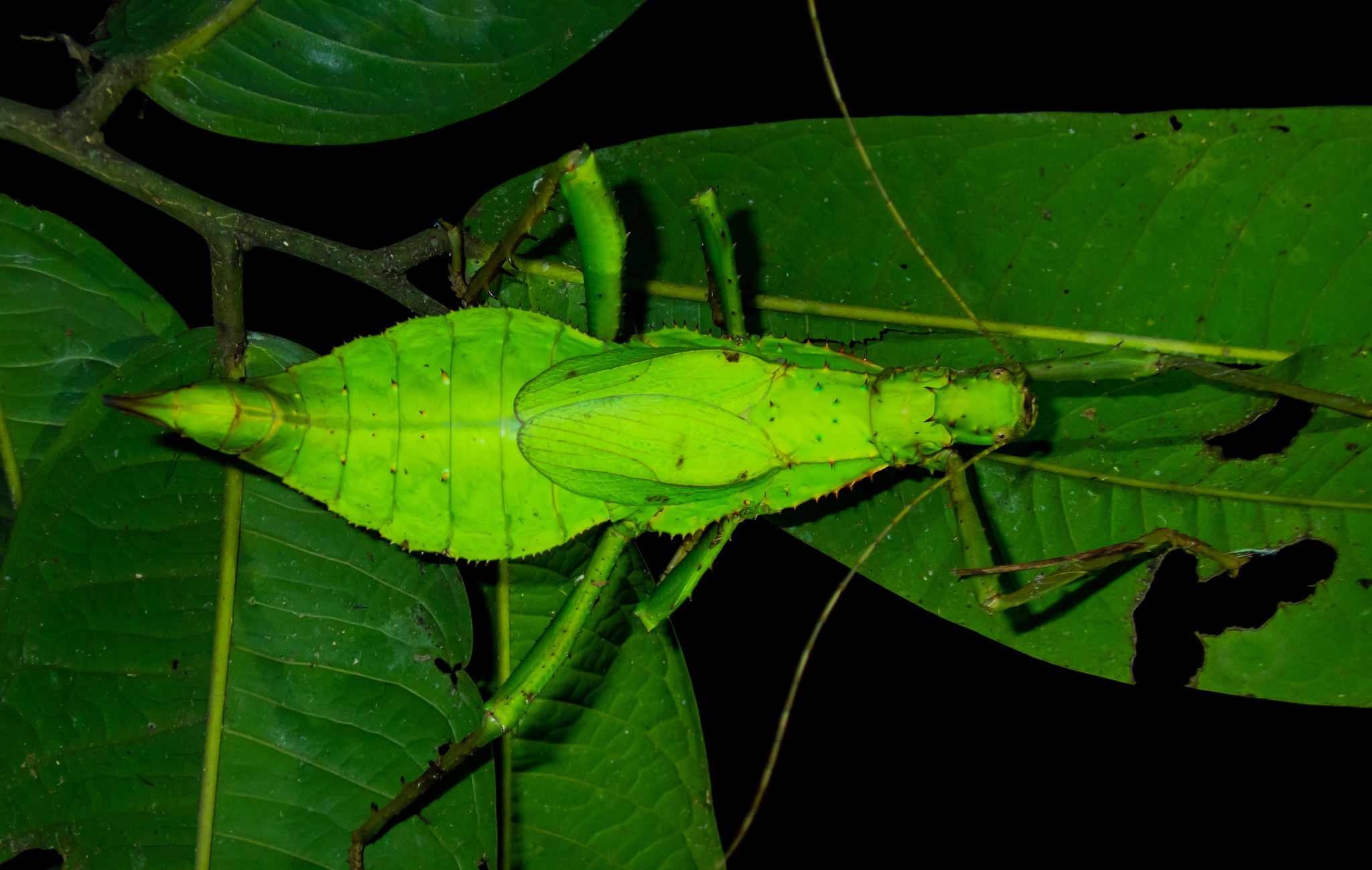
These insects are arboreal and are almost exclusively found in trees and shrubs. Their entire life cycle, from hatching to reproduction, takes place in the canopy or undergrowth, where they spend their days perfectly camouflaged among the leaves. They are masters of remaining motionless for long periods, a behavior that aids in their disguise.
Lifestyle and Behavior: The Nocturnal Grazer and Defensive Giant
The Jungle Nymph is generally known for its docile and slow-moving temperament, as its primary defense is camouflage. However, if they feel threatened, they can exhibit a surprising and intimidating defensive display.
Temperament: When disturbed or handled carelessly, a Jungle Nymph will use its impressive size and spiny legs to its advantage. They can rear up on their hind legs and use their spiny middle and front legs to pinch anything that is bothering them. The female’s pinch is particularly powerful and can be quite painful. They also have the ability to “stridulate,” or make a loud, hissing sound by rubbing their wings together, which is intended to startle and deter predators.
Feeding: Heteropteryx dilatata is a nocturnal herbivore. In the wild and in captivity, they feed exclusively on the leaves of various plants. They are known to be quite selective eaters, with their diet often including blackberries, raspberries, rose leaves, and oak leaves. They are most active at night, when they consume a significant amount of foliage.
Reproduction: A fascinating aspect of their biology is their reproductive behavior. Females are capable of both sexual and asexual reproduction (parthenogenesis). In the absence of a male, a female can lay unfertilized eggs that will hatch into female clones. This adaptability contributes to their survivability in the wild. The eggs are large, dark, and resemble plant seeds, which the female buries in the soil.
Life Cycle: Slow Growth and Long-Lived
The life cycle of Heteropteryx dilatata is characterized by a long development period, which is typical for a species of its size.
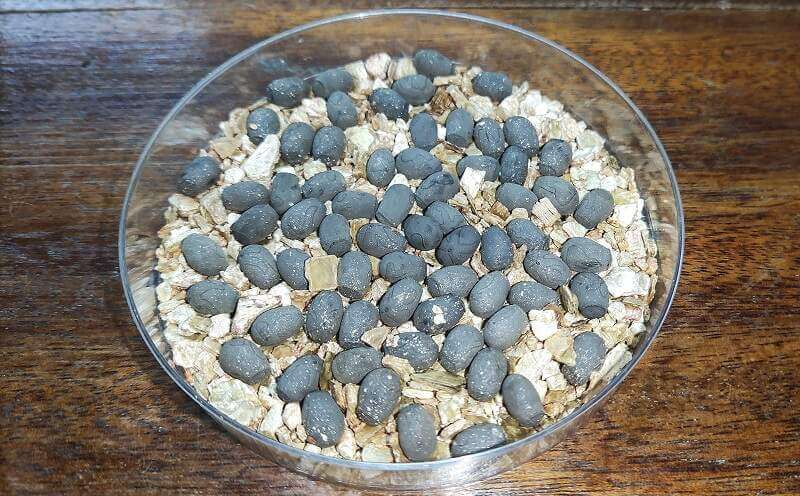
Egg: The eggs of the Jungle Nymph are notoriously slow to hatch, sometimes taking over a year. The female buries them in the soil, where they remain until environmental conditions are right.
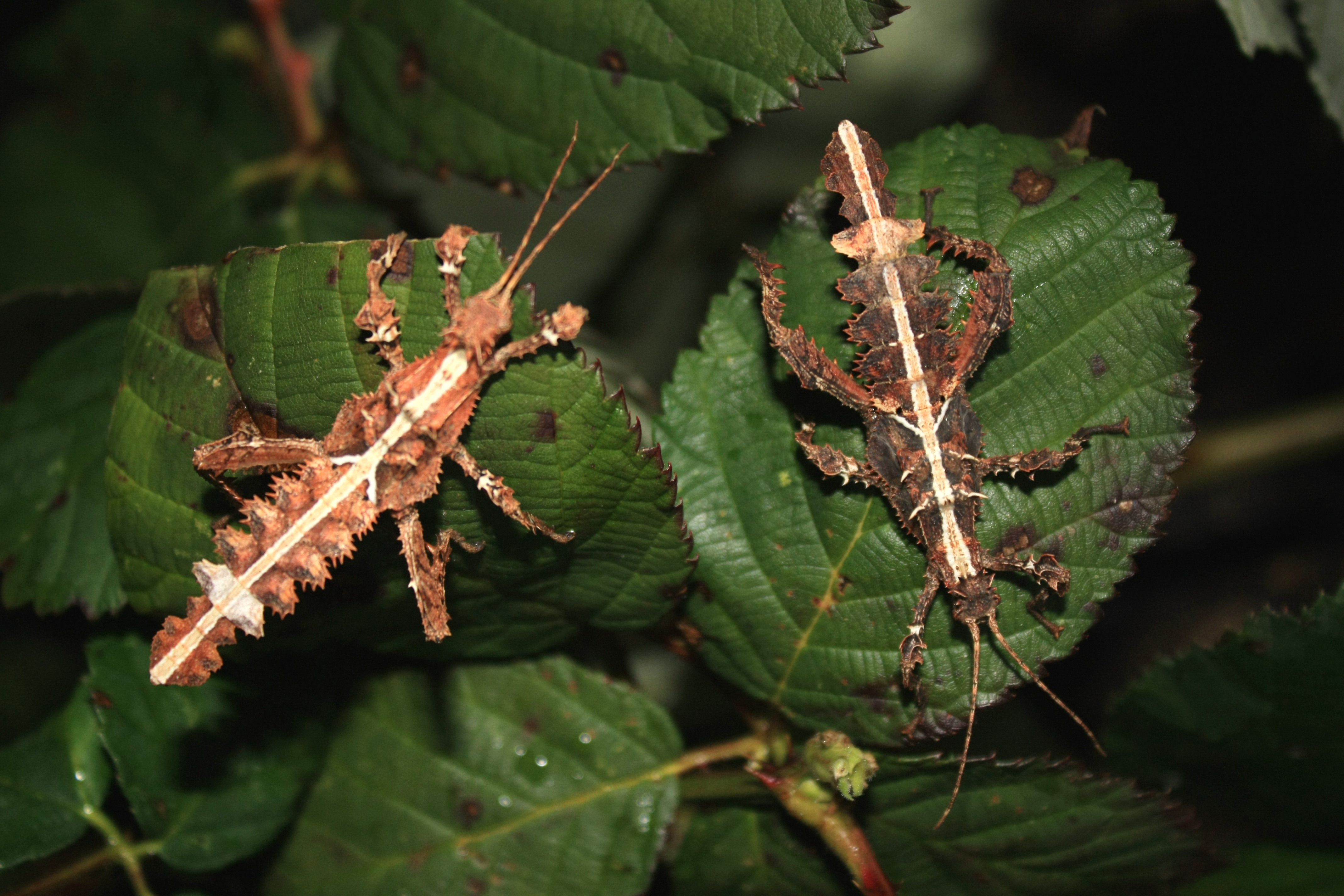
Nymph: Once hatched, the nymphs are miniature versions of the adults. They undergo a series of molts, shedding their exoskeleton to grow larger. This process can take over a year to reach maturity.
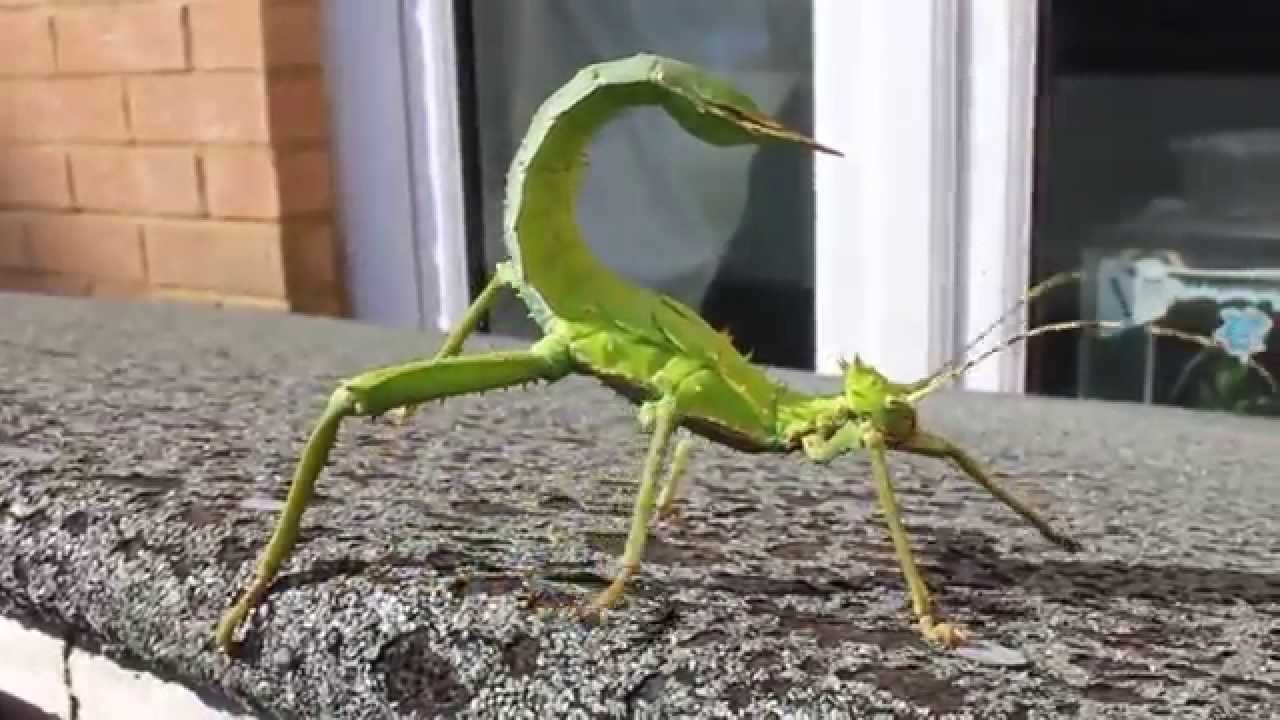
Adult: Adult females can live for another year or more, making their total lifespan quite long for an insect. Males have a shorter lifespan once they reach adulthood, typically living for only a few months, during which their primary goal is to find a mate.
Ecological Role: A Key Herbivore
In their native rainforest ecosystems, Heteropteryx dilatata plays an important role as a primary herbivore. By consuming large quantities of leaves, they influence the growth and composition of the plant communities they inhabit. They also serve as a food source for a variety of predators, including birds, reptiles, and arboreal mammals.

Conservation Status and Threats: Secure, but with Habitat Concerns
Heteropteryx dilatata is not currently listed as endangered or threatened on major conservation lists. Its relative security is a testament to its wide distribution and ability to thrive in a range of forest environments. However, its populations, like those of many rainforest species, can face pressures from:
- Habitat Loss: Deforestation for agriculture, logging, and human settlement is the most significant long-term threat to their natural habitat.
- Illegal Collection: While widely available in the hobby through captive breeding, illegal or unsustainable collection from the wild could pose a localized threat.
Supporting sustainable practices and conservation efforts aimed at preserving their forest habitats are essential to ensure the long-term viability of this magnificent species in the wild.
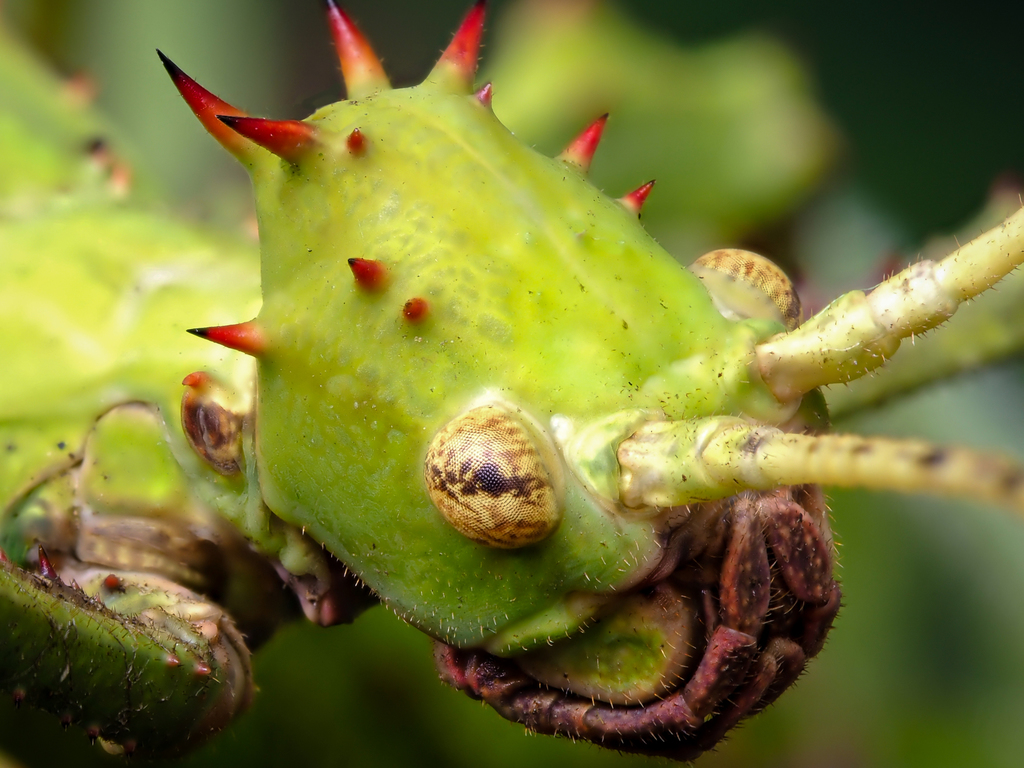
The Walking Leaf of the Forest Floor: The Enduring Allure of Heteropteryx dilatata
The Jungle Nymph, Heteropteryx dilatata, with its monumental size, remarkable camouflage, and intriguing reproductive biology, stands as a testament to the incredible diversity and adaptability of the insect world. This fascinating and imposing creature, a master of disguise in the forest undergrowth, offers a compelling glimpse into the silent, intricate lives that thrive among the leaves, reminding us of the enduring beauty and ecological importance of even the most subtle creatures in our natural world.
Discover more from
Subscribe to get the latest posts sent to your email.
 davethebugguy.org