

From the lush, cloud-kissed mountains and humid rainforests of South America, primarily in Peru and Ecuador, comes Pamphobeteus nigricolor, popularly known as the Giant Blue Bloom Tarantula. This impressive terrestrial tarantula is highly sought after by collectors for its monumental size, robust build, and the stunning sexual dimorphism where males display a breathtaking iridescent purple and blue coloration.
A Tale of Two Genders: Appearance and Distinctive Patterns
Pamphobeteus nigricolor is a truly large tarantula, with adult females commonly reaching a leg span of 8 to 9 inches (20 to 23 cm) and sometimes even larger. Its powerful and heavy-bodied appearance makes it a striking presence in any collection.
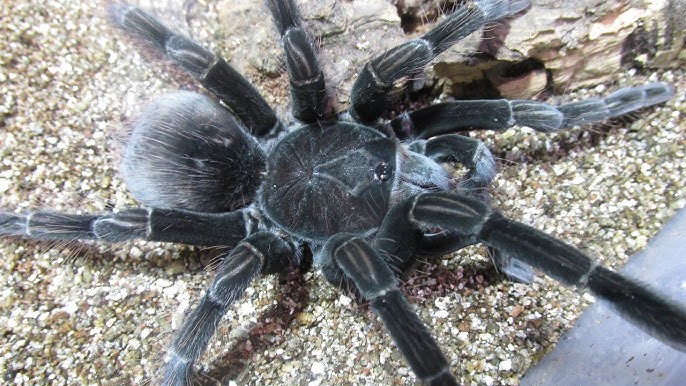
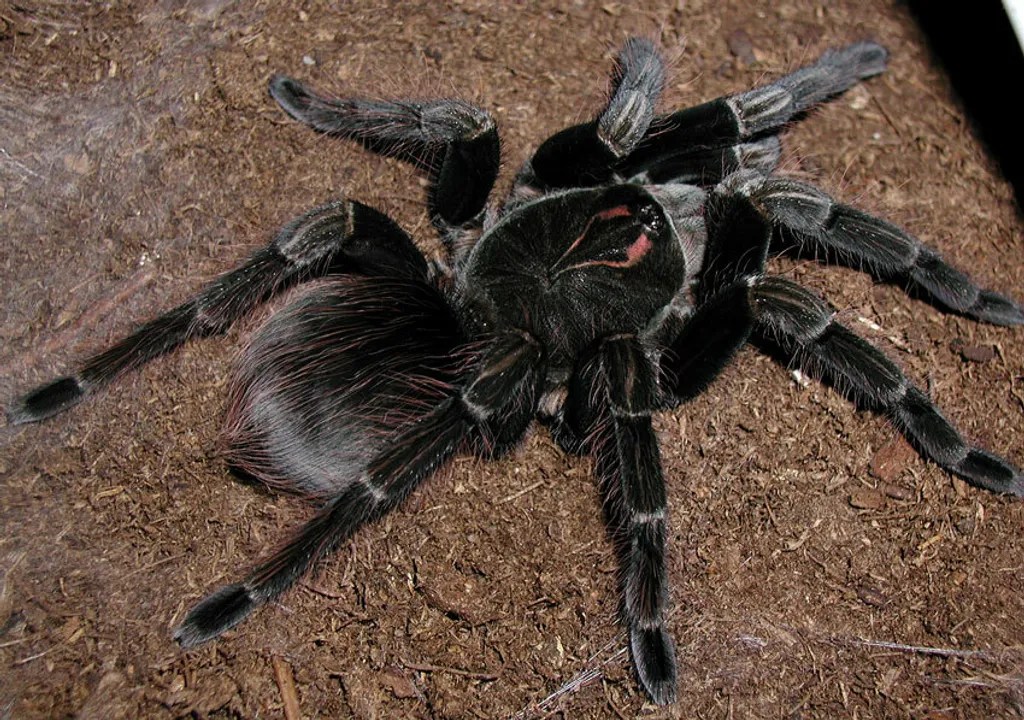
Female: Adult females and juvenile specimens of both sexes are a dark, uniform brown or black. Their bodies are covered in dense, short hairs, giving them a velvety texture. While less colorful than the males, their sheer size and commanding presence are a sight to behold. The legs are thick and robust, perfectly suited for their terrestrial lifestyle.

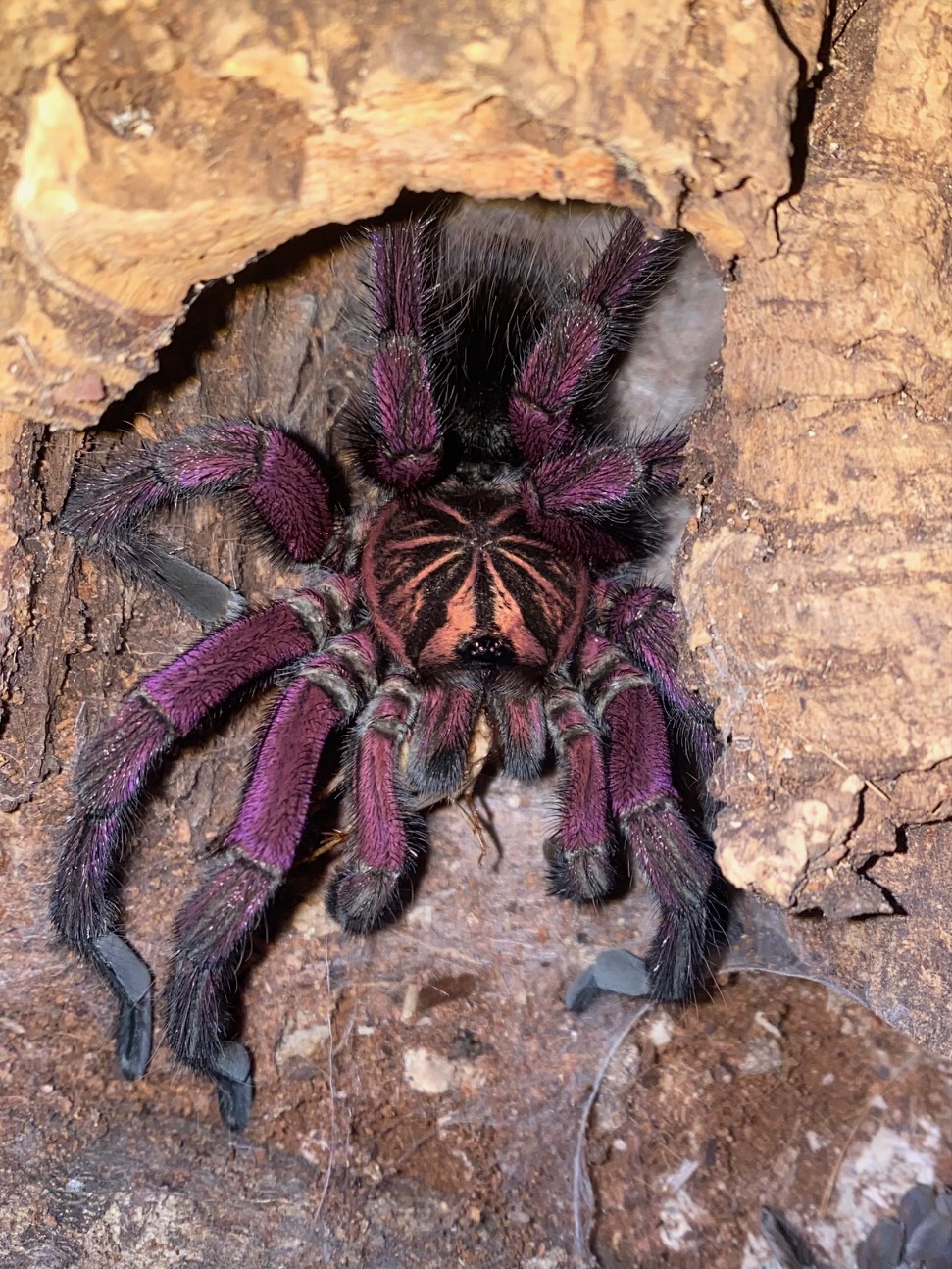
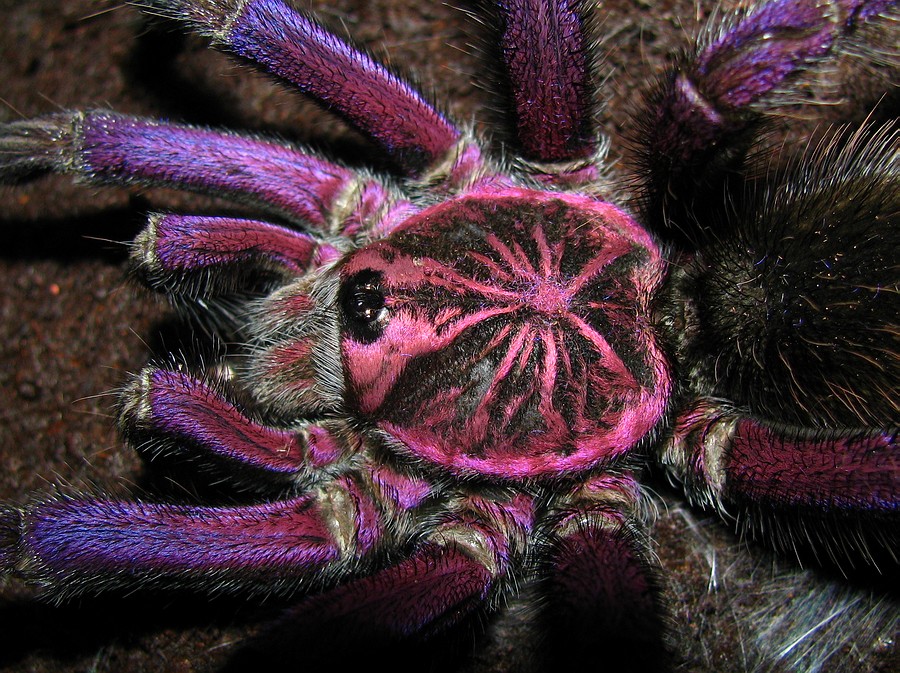
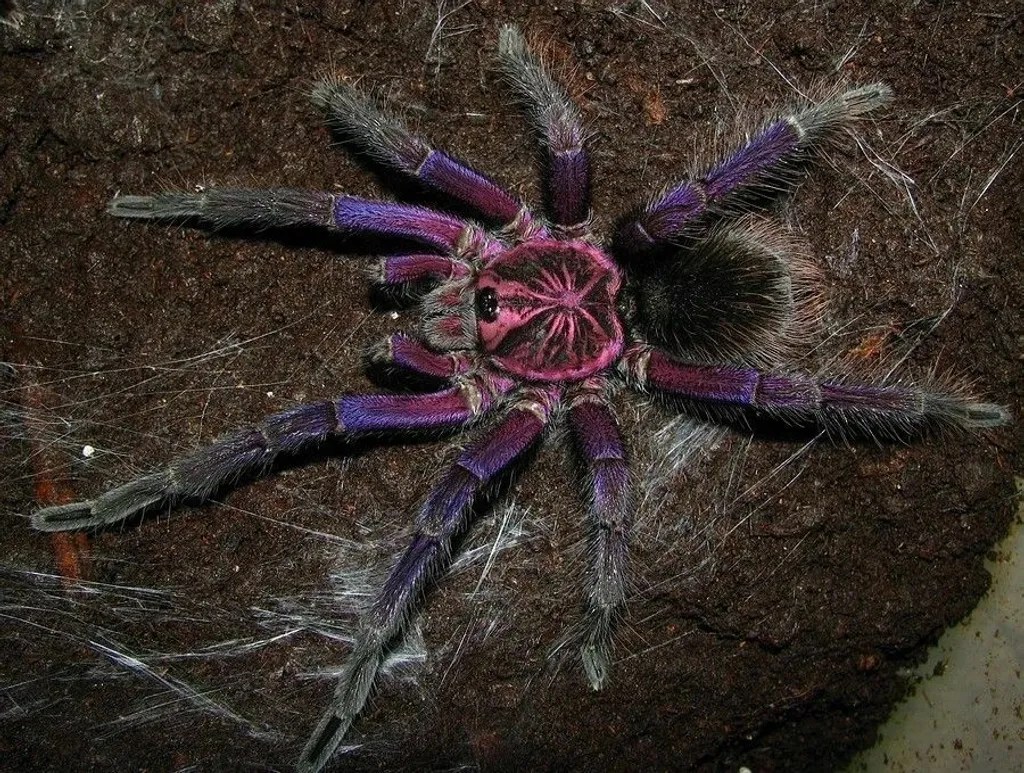
Male: Mature males undergo a spectacular transformation with their final molt. They develop a stunning iridescent coloration that is a hallmark of the Pamphobeteus genus. Their legs and carapace shimmer with hues of brilliant purple, blue, and sometimes magenta, creating a truly magnificent display of color. This coloration is most vibrant under natural light or a bright flash. Mature males are also typically more slender than females.
This dramatic sexual dimorphism, where the unassumingly dark females give rise to these vividly colored males, is one of the most captivating aspects of the species.
Distribution and Habitat: A South American Mountain Dweller
Pamphobeteus nigricolor is native to the Andean regions of Peru and Ecuador. Its natural habitat includes humid rainforests and cloud forests, often at higher elevations. These environments provide a stable, cool, and damp climate, which is crucial for their well-being.
These tarantulas are terrestrial and are known to be opportunistic burrowers. While they will dig shallow burrows or utilize pre-existing ones, they are more often found taking refuge under fallen logs, large rocks, or within natural crevices in the forest floor. They do not typically create extensive silk webbing or tunnels, preferring to rely on the natural structures of their environment.
Lifestyle and Behavior: Skittish Giants with Urticating Hairs
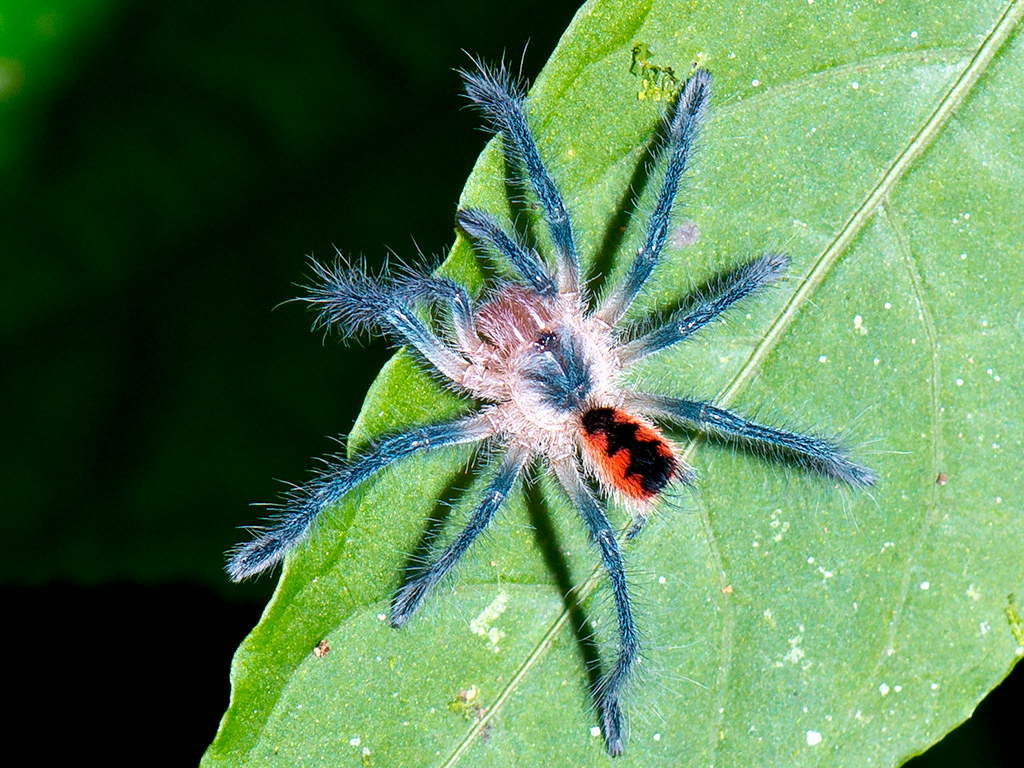
Temperament: They can be skittish and prone to flicking urticating hairs if they feel threatened. This is their primary defense mechanism, as bites are extremely rare. They are not known to be overly aggressive and will typically choose to retreat rather than confront a perceived threat.
Hunting: As with most tarantulas, P. nigricolor is a nocturnal predator. They are ambush hunters, waiting for suitable prey to pass by the entrance of their retreat. Their diet in the wild consists of large insects, small lizards, and even rodents. Their powerful build and impressive size make them capable of overpowering a wide range of prey.
Defense Mechanisms: They possess urticating hairs on their abdomen, which they can “flick” with their hind legs. These barbed bristles can cause significant itching and irritation upon contact with skin and, if inhaled, can cause respiratory discomfort. Bites are very uncommon, and their venom is considered mild, causing only localized discomfort to healthy humans.
Life Cycle: Slow Growth and Impressive Female Longevity
The life cycle of Pamphobeteus nigricolor is characterized by a relatively slow growth rate and remarkable longevity for females.
Egg & Spiderlings: Females will produce a large egg sac, often containing several hundred spiderlings. The mother is very protective of her sac and will guard it diligently.
Juvenile Growth: This species has a slow to medium growth rate, taking several years (typically 4-6) to reach maturity. They are known for their impressive size gains with each molt, which is a source of excitement for keepers.
Adult: Females are exceptionally long-lived, with lifespans often exceeding 20 years in captivity, making them a true long-term companion. Males, once they reach sexual maturity, have a significantly shorter lifespan of only about 1-2 years as adults. Their adult life is dedicated to finding a mate and passing on their genes.
Ecological Role: A Key Rainforest Scavenger and Predator
In their native Andean ecosystems, Pamphobeteus nigricolor plays a vital role as a terrestrial predator and scavenger. They contribute to the natural balance by preying on various ground-dwelling insects and other small vertebrates. Their presence also helps in the decomposition cycle by scavenging on dead organisms. As a large-bodied predator, they are a key component of their forest microhabitat.
Conservation Status and Threats: Secure but with Specific Concerns
Pamphobeteus nigricolor is a relatively common species within its specific range, and while it is not currently listed as endangered on major conservation lists, its populations can face localized pressures.
- Habitat Loss: Deforestation and land conversion for agriculture and human settlement in the Andean foothills pose the most significant long-term threat to the species.
- Illegal Collection: Due to its popularity in the pet trade, unsustainable or unlawful collection from the wild could potentially impact local populations, particularly of mature males, which are highly sought after.
- Pesticide Use: Agricultural runoff and widespread use of insecticides can directly harm tarantula populations and their prey.
Supporting captive breeding efforts helps to ensure the species’ availability in the hobby without impacting wild populations.
The Jewel of the Andes: The Enduring Allure of Pamphobeteus nigricolor
The Giant Blue Bloom Tarantula, Pamphobeteus nigricolor, with its monumental size and the breathtaking iridescent transformation of its males, stands as a testament to the unparalleled beauty of South American biodiversity. This magnificent arachnid, a giant of the cloud forests, offers a compelling glimpse into the silent, intricate lives that thrive on the forest floor, reminding us of the enduring beauty and ecological importance of every creature in our natural world.
To read more of my Tarantula Species Spotlights, click HERE.
Discover more from
Subscribe to get the latest posts sent to your email.
 davethebugguy.org