

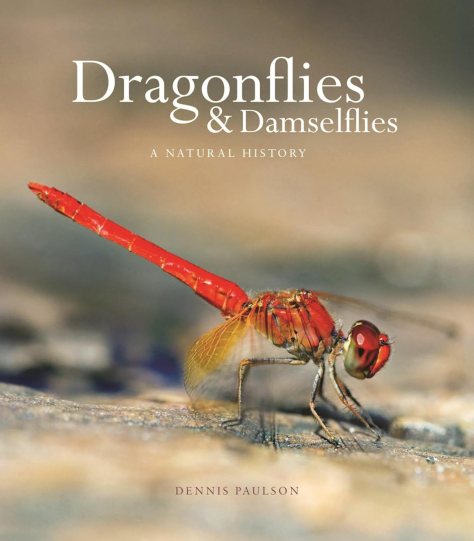
In the world of natural history books, some inform, while others transport. Dennis Paulson’s “Dragonflies & Damselflies: A Natural History” firmly belongs in the latter category. This isn’t merely a field guide; it’s a profound and beautifully rendered tribute to some of the planet’s most ancient and captivating insects. Paulson, a renowned authority on the subject, has crafted a work that is as rich in scientific detail as it is in a palpable sense of wonder.
From the moment you open the book, you’re greeted with a visual feast. The pages are adorned with stunning, high-resolution photographs that capture the intricate beauty of these aerial acrobats in all their glory. The iridescent blues of a male Common Whitetail, the fiery reds of a Cardinal Meadowhawk, and the delicate, jewel-like translucence of a Spreadwing damselfly are all brought to life with breathtaking clarity. These aren’t just static images; they are moments frozen in time, revealing the subtle textures of wings, the complex patterns of compound eyes, and the elegant posture of a perched insect. The photography alone makes this a book worth owning, but it’s the accompanying text that elevates it to a truly exceptional level.
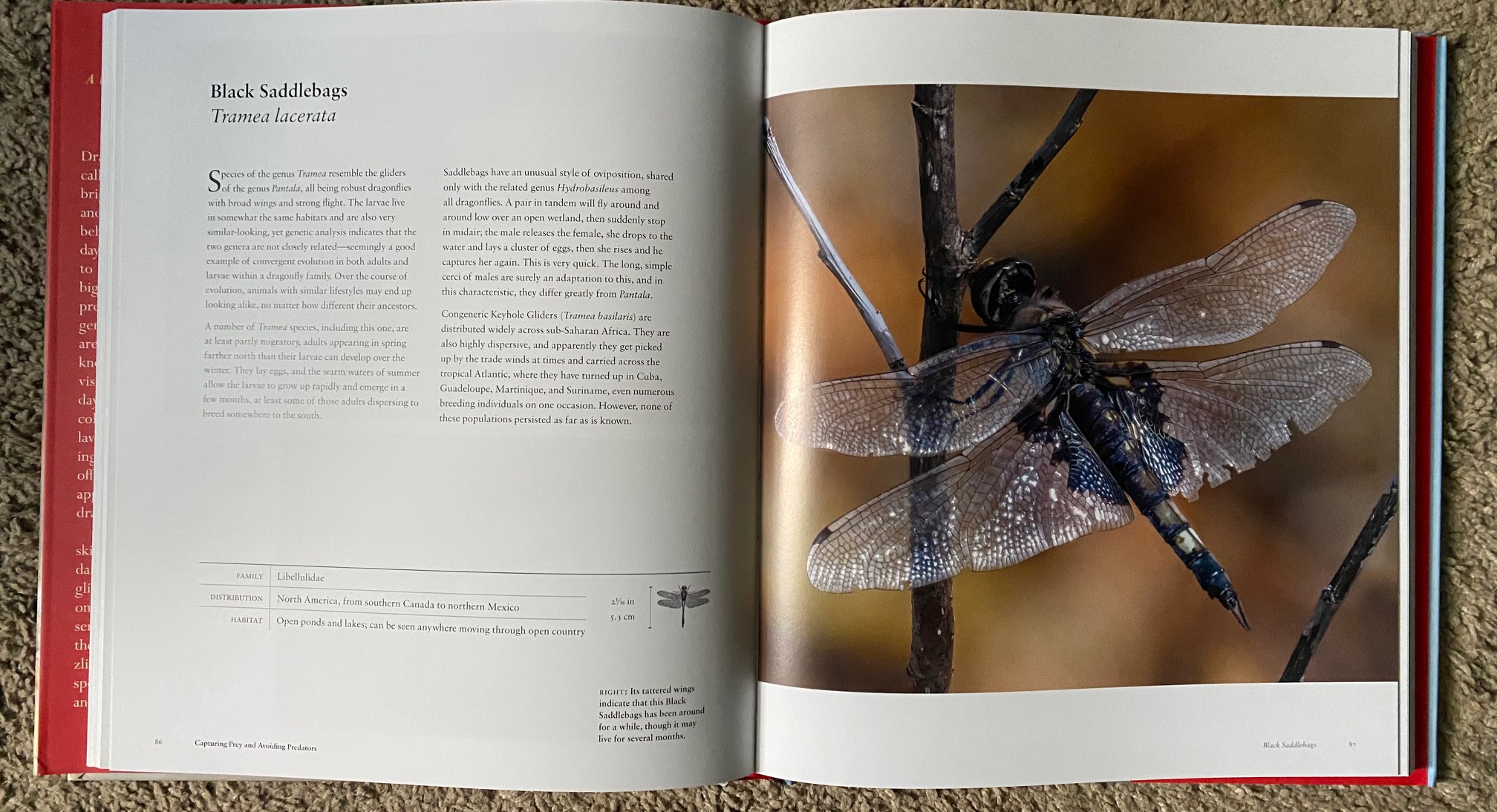
Paulson’s writing is a masterclass in making complex scientific information accessible and engaging. He guides the reader through the fascinating life cycle of these insects, from their aquatic nymph stage to their emergence as powerful, winged predators. He delves into their evolutionary history, revealing how these creatures have been darting through the skies for hundreds of millions of years, long before the dinosaurs roamed the Earth. The book explores their remarkable hunting strategies, their intricate mating rituals, and the crucial role they play as indicators of environmental health. Paulson has a gift for weaving scientific facts into a narrative that reads like a compelling story, inviting the reader to become an active participant in this hidden world.
What makes “Dragonflies & Damselflies” so special is its comprehensive and holistic approach. It doesn’t just focus on identification, though it certainly provides that with clear, concise descriptions. It places these insects within their ecological context, explaining their relationships with other species and their vital contribution to healthy ecosystems. The book highlights the diversity of these creatures, from the massive, prehistoric-looking clubtails to the tiny, jewel-toned dancers. It’s a celebration of biodiversity, a reminder of the incredible variety of life that exists right under our noses, if only we take the time to look.
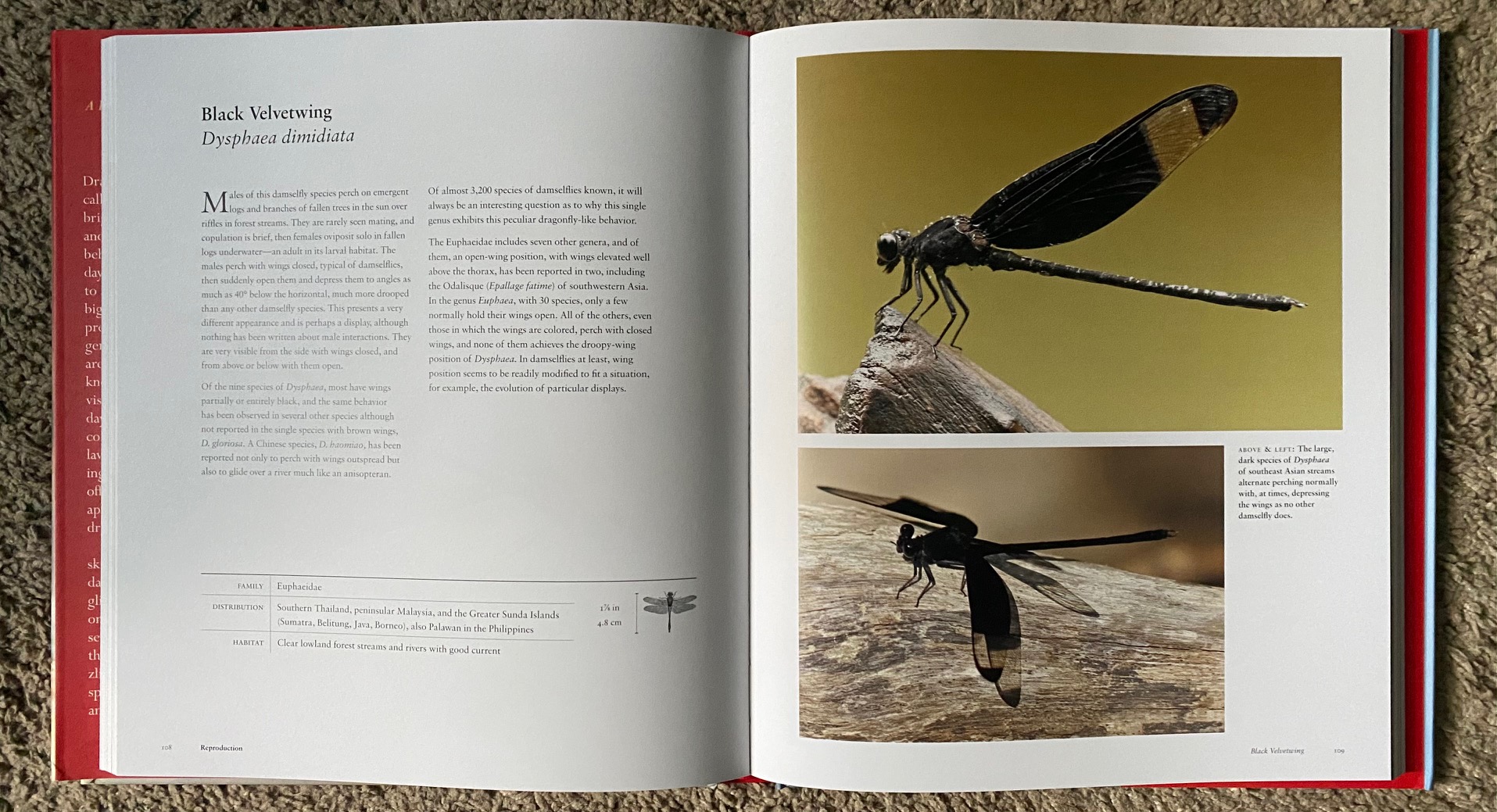
Ultimately, “Dragonflies & Damselflies: A Natural History” is more than a book; it’s an invitation to see the world with new eyes. It encourages us to pause by a pond or stream, to listen for the whir of wings, and to appreciate the intricate beauty of these magnificent insects. Whether you are a seasoned entomologist or a curious beginner, this book will leave you with a newfound appreciation for the natural world and a deeper understanding of the captivating lives of dragonflies and damselflies. It is a work of passion and scholarship, a testament to the author’s deep affection for his subjects, and an essential addition to the library of anyone who loves nature.
To read more of my Buggy Book Reviews, click here. To add this amazing book to your buggy library, click on the cover below.
Discover more from
Subscribe to get the latest posts sent to your email.
 davethebugguy.org