
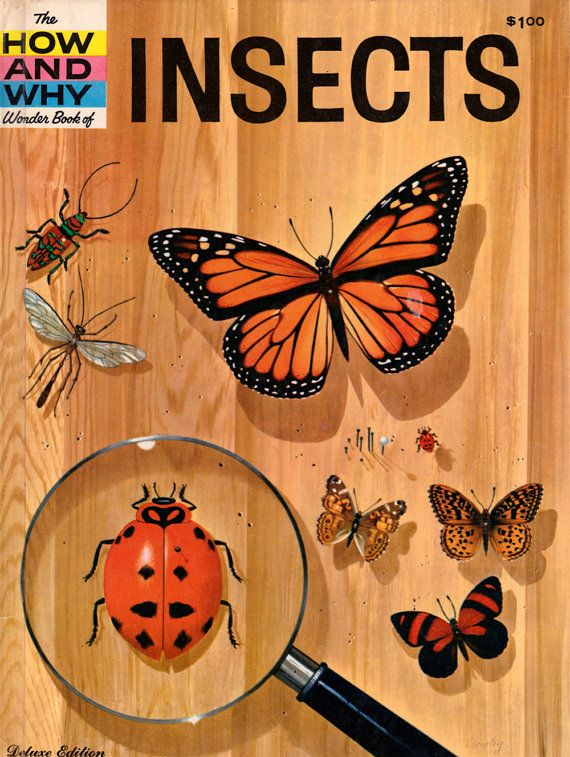
A wonderful exploration of the insect world, the 1960 book “The How and Why Wonder Book of Insects” by Ronald N. Rood remains a standout example of educational children’s literature. Part of a larger series designed to ignite curiosity in young minds, Rood’s work is a testament to the power of making science accessible, engaging, and utterly fascinating. The book succeeds by avoiding dry, academic language in favor of a vibrant, conversational tone that invites readers to see insects not as creepy-crawlies, but as tiny, sophisticated marvels of nature.
Engaging and Accessible Content
What makes Rood’s book so effective is its ability to distill complex biological concepts into easily digestible information. He introduces readers to the fundamental characteristics of insects, such as their three-part body (head, thorax, abdomen), their six legs, and their antennae.
Rather than simply listing facts, the author poses questions that a child might ask, then answers them with clarity and enthusiasm. For example, he explains why a grasshopper has powerful hind legs for jumping or how a bee’s fuzzy body helps it carry pollen. The book covers a wide range of topics, from the life cycle of a butterfly to the social structure of an ant colony, ensuring there is something to capture every young reader’s imagination.
Stunning Illustrations and Design
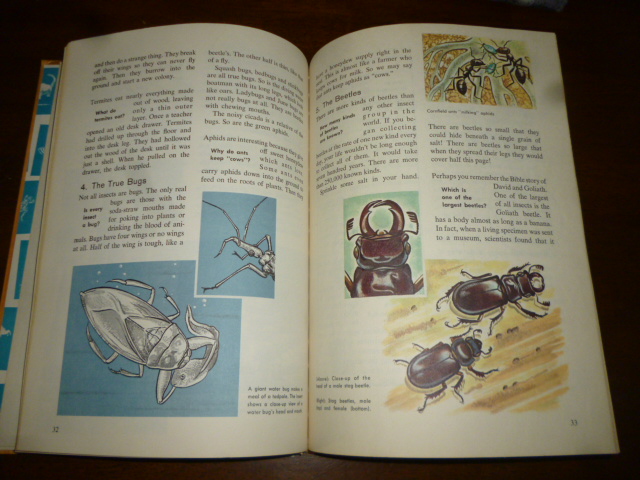
A significant part of the book’s appeal lies in its stunning illustrations. The art, often credited to the series’ team of illustrators, is both beautiful and scientifically accurate. The full-color spreads depict insects in their natural habitats with a level of detail that brings them to life. The visual presentation is crucial for a book on this topic, as it allows children to see the intricate patterns on a moth’s wings or the segmented body of a centipede up close. These illustrations aren’t just decorative; they are a vital educational tool that complements Rood’s writing, helping to solidify the reader’s understanding of the subject matter.
Enduring Legacy
Decades after its initial publication, “The How and Why Wonder Book of Insects” continues to be a beloved classic. Its positive and encouraging approach to science has inspired countless children to become budding entomologists and lifelong nature enthusiasts. The book’s success is a reminder that effective education isn’t about memorizing facts, but about fostering a sense of wonder. By presenting the insect world as a place of endless discovery and incredible design, Ronald N. Rood created a book that is more than just a reference guide; it’s a gateway to a deeper appreciation for the natural world around us.
To read more of my Buggy Book Reviews, click here. To add this blast from the past book to your buggy library, click on the cover below.
Discover more from
Subscribe to get the latest posts sent to your email.
 davethebugguy.org