

An essential field guide for butterfly enthusiasts, “Butterflies: East of the Great Plains” by Paul A. Opler and George O. Krizek is a landmark publication that has stood the test of time since its first release in 1984. This book is a true masterpiece of scientific and artistic collaboration, offering a detailed and accessible look at the diverse butterfly species found in the eastern half of North America. Its enduring popularity is a testament to its quality and the authors’ deep expertise and passion for their subject.
A Meticulous and Accessible Guide
One of the book’s greatest strengths is its meticulous attention to detail. The authors, both renowned entomologists, provide a comprehensive overview of 524 species, including detailed descriptions of their appearance, habits, habitats, and life cycles. The information is presented clearly, making it useful for both novice butterfly watchers and seasoned lepidopterists. The species accounts often include fascinating tidbits about host plants, flight periods, and geographic variations, offering a complete picture of each butterfly’s natural history.

Stunning Visuals 🦋
The book is celebrated for its stunning illustrations. George O. Krizek, a gifted artist, painted 54 plates that feature life-sized, scientifically accurate depictions of each butterfly species. The butterflies are shown from various angles and in different life stages, including males, females, and seasonal forms. These illustrations are not just beautiful; they are incredibly useful for identification, capturing the subtle differences in color, pattern, and shape that are crucial for distinguishing between similar species. The quality of these plates sets a high standard for all subsequent field guides.
Comprehensive and Practical
Beyond the species accounts and illustrations, the book offers a wealth of additional information that enhances its utility as a field guide. The introductory sections provide an excellent primer on butterfly biology, including anatomy, classification, and behavior. There are also sections on butterfly gardening, conservation, and photography, making it a valuable resource for anyone interested in the broader world of butterflies. The range maps for each species are a particularly useful feature, helping readers understand the geographical distribution of the butterflies they encounter. The organization of the book, which follows a taxonomic order, provides a logical and easy-to-follow structure.
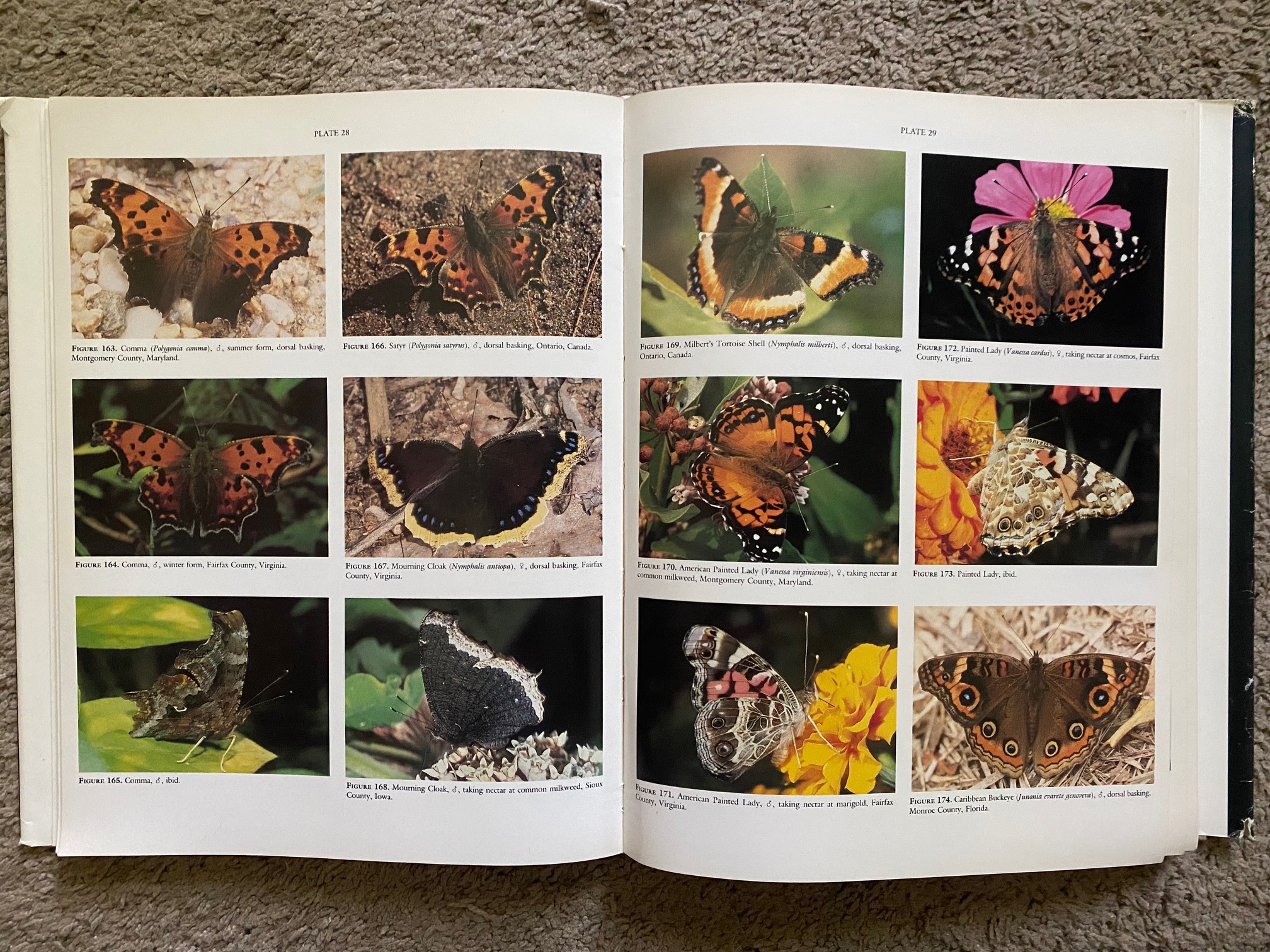
A Lasting Legacy
“Butterflies: East of the Great Plains” is more than just a field guide; it’s a foundational text that has inspired countless individuals to explore the natural world around them. Its combination of scientific accuracy, practical utility, and artistic beauty makes it a joy to use and a treasure to own. For anyone with an interest in the butterflies of eastern North America, this book is an indispensable resource and a testament to the enduring power of a well-crafted field guide. It remains a beloved and highly respected classic in the world of natural history literature.
To read the rest of my Buggy Book Reviews, click HERE. To add this must-have book to your nature library, just click on the book cover below.
Discover more from
Subscribe to get the latest posts sent to your email.
 davethebugguy.org