
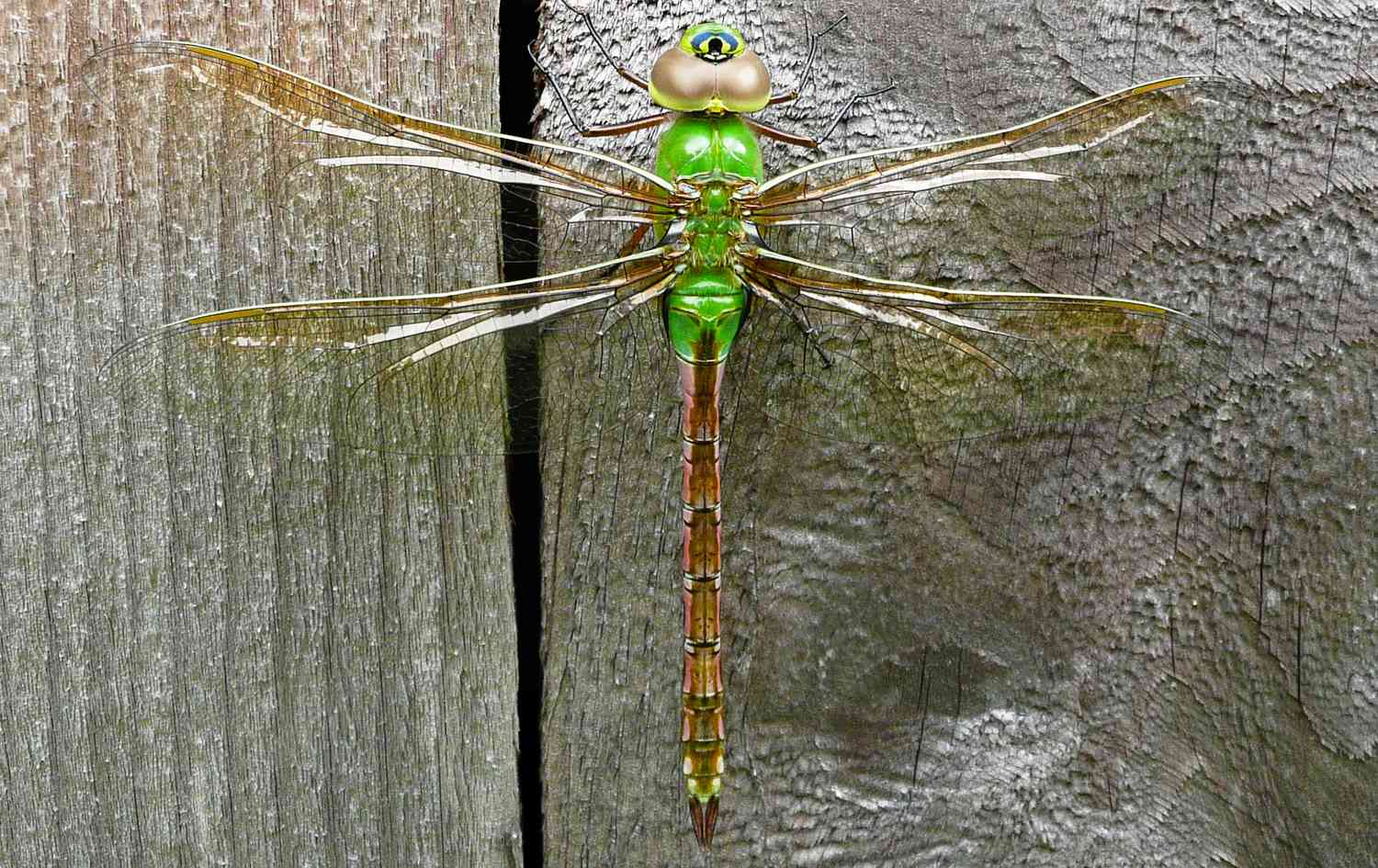
Soaring on powerful, iridescent wings across continents, the common green darner, scientifically known as Anax junius, is one of the largest and most widely recognized dragonflies in North America. With its brilliant green and blue body, clear wings, and remarkable migratory abilities, this top aerial predator is a truly global phenomenon, captivating observers wherever it lands. Its name, “darner,” refers to its long, needle-like abdomen, reminiscent of a darning needle, while its scientific name, Anax, is Greek for “king” or “lord,” a fitting title for such a magnificent insect.
A Mosaic of Green, Blue, and Translucent: Appearance and Subtle Variations
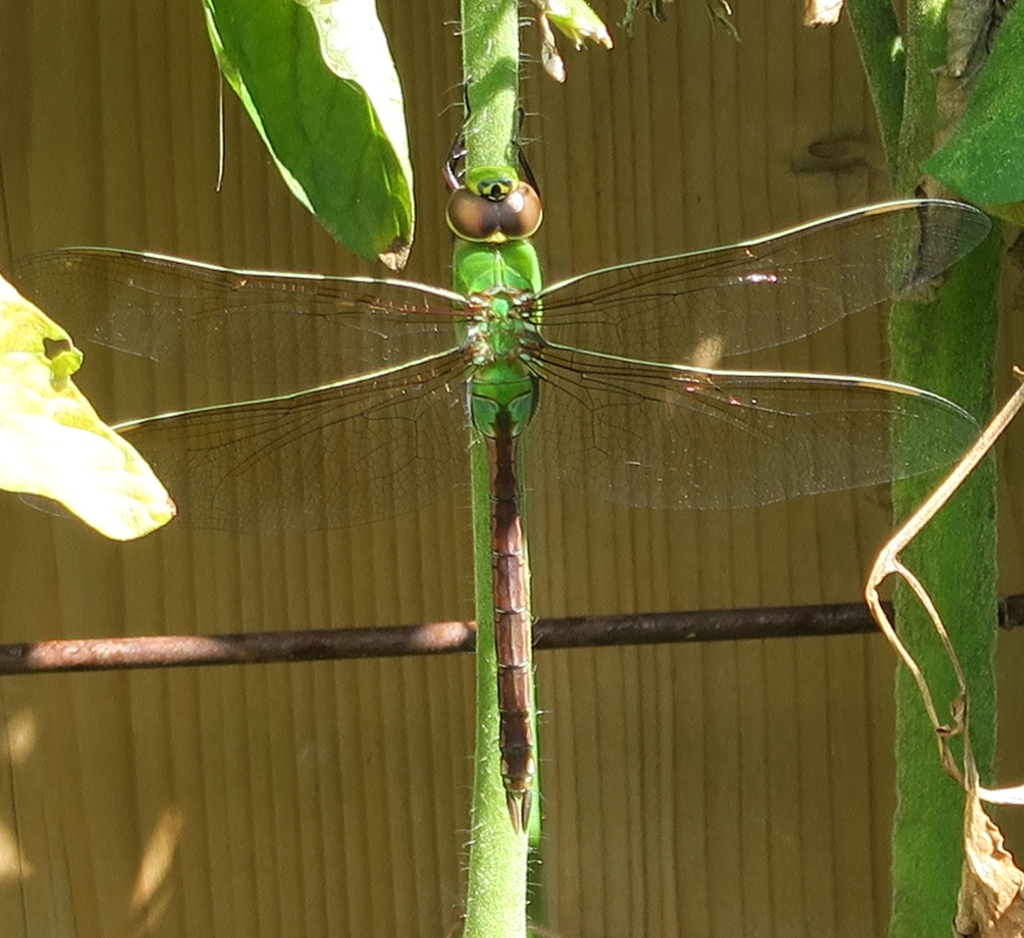
The common green darner is a large, robust dragonfly, boasting an impressive wingspan ranging from 2.8 to 4.3 inches (7 to 11 cm). Its body length can reach up to 3 inches (7.6 cm). The most striking feature of the adult is its bright green thorax, which contrasts sharply with its vibrant blue or purplish abdomen. The abdomen often has a dark line running down its dorsal (upper) side. The most defining mark on the green darner is a large, black “bullseye” or “T-shaped” spot located on the top of its head, just in front of its large, compound eyes.

- Males: Typically have a bright, sky-blue abdomen with a prominent dorsal stripe. Their eyes are usually a bright blue or greenish-blue.
- Females: Usually have a greenish or brownish abdomen, though some may exhibit a light blue coloration. The dorsal stripe is also present but may be less distinct. Their eyes are often a yellowish or brownish-green.
- Juveniles/Teneral Adults: Freshly emerged adults (teneral) often have a yellowish or brownish abdomen that gradually develops its final blue or green coloration over several days.
The wings are typically clear and transparent, with a slight amber tint in some individuals, especially near the wing bases. The leading edge of the wings is marked by a dark, elongated stigma (pterostigma).

Distribution and Habitat: A Truly Cosmopolitan Species
Anax junius is a truly cosmopolitan dragonfly, found across North America, from Alaska and southern Canada down through Mexico and into the Caribbean. It is also found in Hawaii, Tahiti, and parts of Asia, including China and Japan. Its extraordinary distribution is a testament to its powerful migratory capabilities and its adaptability to an incredibly diverse range of aquatic habitats. These include:
- Ponds and Lakes: Especially larger bodies of standing water with abundant vegetation.
- Marshes and Swamps: Slow-moving, vegetated wetlands.
- Slow-moving Rivers and Streams: Where there are quiet backwaters.
- Vernal Pools: Temporary pools that hold water long enough for larvae to develop.
Its wide-ranging nature means it can be found in a variety of landscapes, from open fields and forests to urban parks and gardens, as long as a suitable water body is nearby for breeding.
Life Cycle: An Epic Journey of Generations
The life cycle of Anax junius is fundamentally driven by its migratory behavior, with continuous breeding as successive generations move across vast geographical areas.
- Egg: Females lay their eggs by inserting them into the submerged tissues of aquatic plants. They often lay eggs singly, but in quick succession, in a variety of locations.
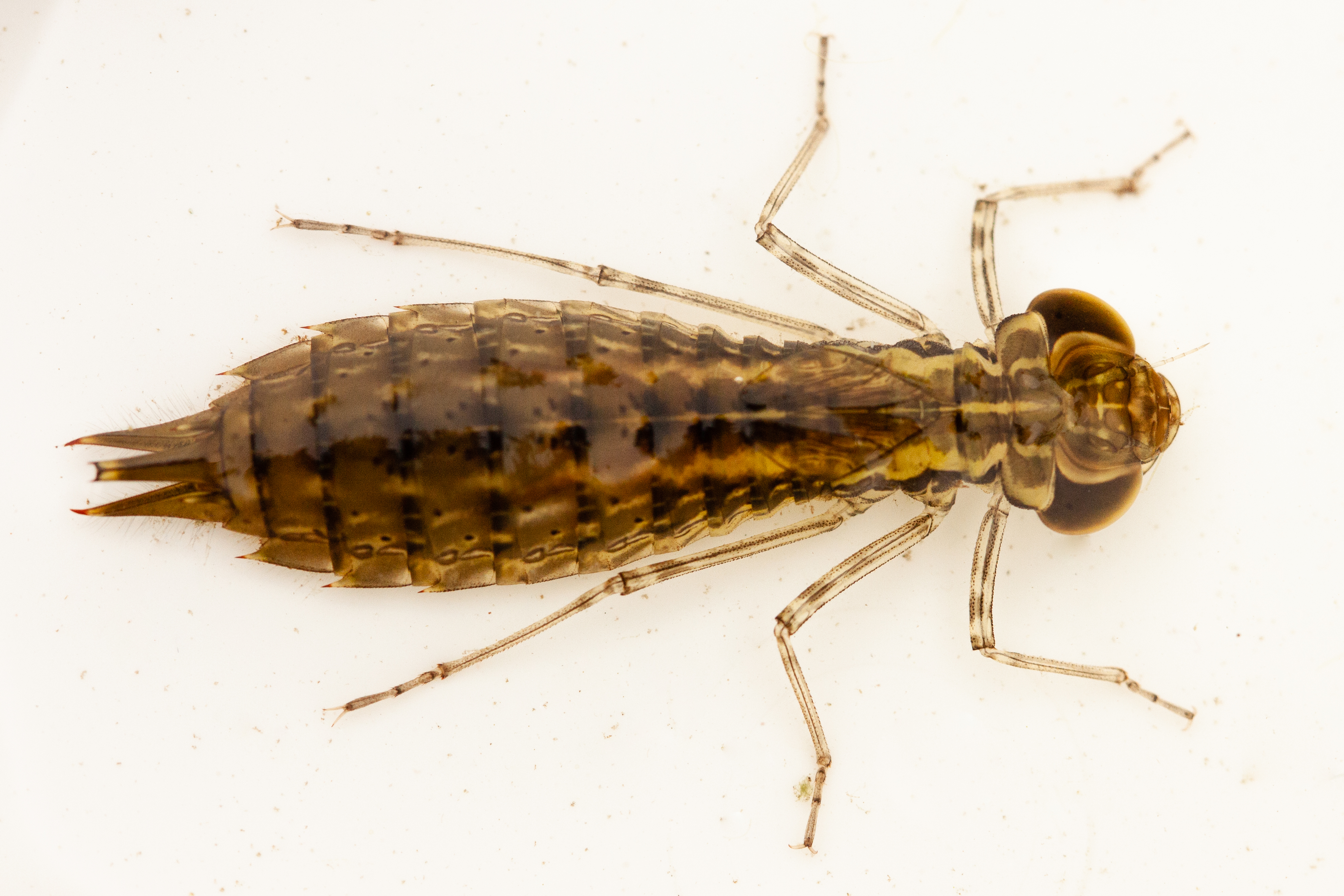
- Larva (Naiad): The aquatic larva, or naiad, is a fierce predator in its own right. It is robust, greenish or brownish, and lives on the bottom of its aquatic habitat. It has a hinged labium (lower lip) that can extend rapidly to capture prey. The naiads are highly aggressive hunters, feeding on a wide variety of aquatic organisms, including insect larvae, tadpoles, and even small fish. This larval stage can last from a few months to up to a year.
- Pupa (Emergence): Once the naiad is fully developed, it crawls out of the water, usually onto a vertical surface like a reed, rock, or stick. It then undergoes its final molt, and the adult dragonfly emerges from the larval skin (exuvia).
- Adult: After allowing its wings to dry and harden, the green darner takes flight. Unlike many dragonflies that complete their life cycle in one region, Anax junius undertakes multi-generational migrations. Individuals that emerge in the spring in southern regions (e.g., Texas, Florida) fly northward in successive generations, colonizing new territories as summer progresses. The final generations in northern areas often migrate southward in the autumn to warmer climates to overwinter. These migrants are not the same individuals that migrated north in the spring, making it a true round-trip migration carried out by different generations.

Host Plants and Nectar Sources: The Aerial Predator’s Diet
Dragonflies, including the green darner, are not herbivores. They are voracious aerial predators with a broad and adaptable diet.
- Larvae: The aquatic naiads are carnivorous, feeding on a diverse range of prey, including:
- Mosquito larvae and pupae
- Other aquatic insect larvae
- Tadpoles and small frogs
- Small fish
- Adults: The adult dragonflies are masterful hunters, catching and consuming their prey in flight. They have exceptional eyesight and a basket-like arrangement of spiny legs to scoop up their prey. Their diet includes:
- Mosquitoes and gnats
- Flies and midges
- Moths and butterflies
- Other smaller dragonflies and damselflies
- Bees and wasps
Their role as a predator of pest insects is highly beneficial to humans. They do not consume nectar from flowers.

Behavior and Ecology: Epic Migrations and Fast Flight
The common green darner is renowned for its powerful, direct, and often very fast flight, which enables its incredible migratory journeys. These migrations can cover thousands of miles, with successive generations contributing to the overall movement. They often fly at considerable altitudes during these long-distance movements.
Males are highly territorial, actively patrolling their chosen stretch of pond or stream to defend it from other males. They will engage in aerial dogfights and chase away intruders. When resting, they often hang vertically from a reed or branch. Their powerful mandibles are used for grasping and eating prey in mid-air.

Conservation Status and Threats: A Resilient Global Traveler
Anax junius is globally considered a common and widespread species and is not facing significant conservation threats. Its extraordinary adaptability to diverse aquatic habitats, its broad carnivorous diet, and its robust migratory capabilities contribute to its immense resilience. While population numbers in specific regions can fluctuate dramatically from year to year depending on weather patterns and the availability of suitable breeding grounds, the species as a whole remains exceptionally robust.
A primary threat to dragonflies in general is the loss and degradation of wetland habitats, but the green darner’s ability to utilize a wide variety of water bodies makes it less susceptible than more specialized species.
King of the Air: The Enduring Charm of the Green Darner
The common green darner, with its vibrant colors and an unparalleled spirit of adventure, stands as a testament to the power of migration and predation in the insect world. Its tireless journeys across continents connect diverse ecosystems and inspire wonder. Encountering this global wanderer, whether hovering over a pond or streaking across a field, is a profound reminder of the interconnectedness of life and the boundless spirit of exploration that defines the natural world.
Discover more from
Subscribe to get the latest posts sent to your email.
 davethebugguy.org