
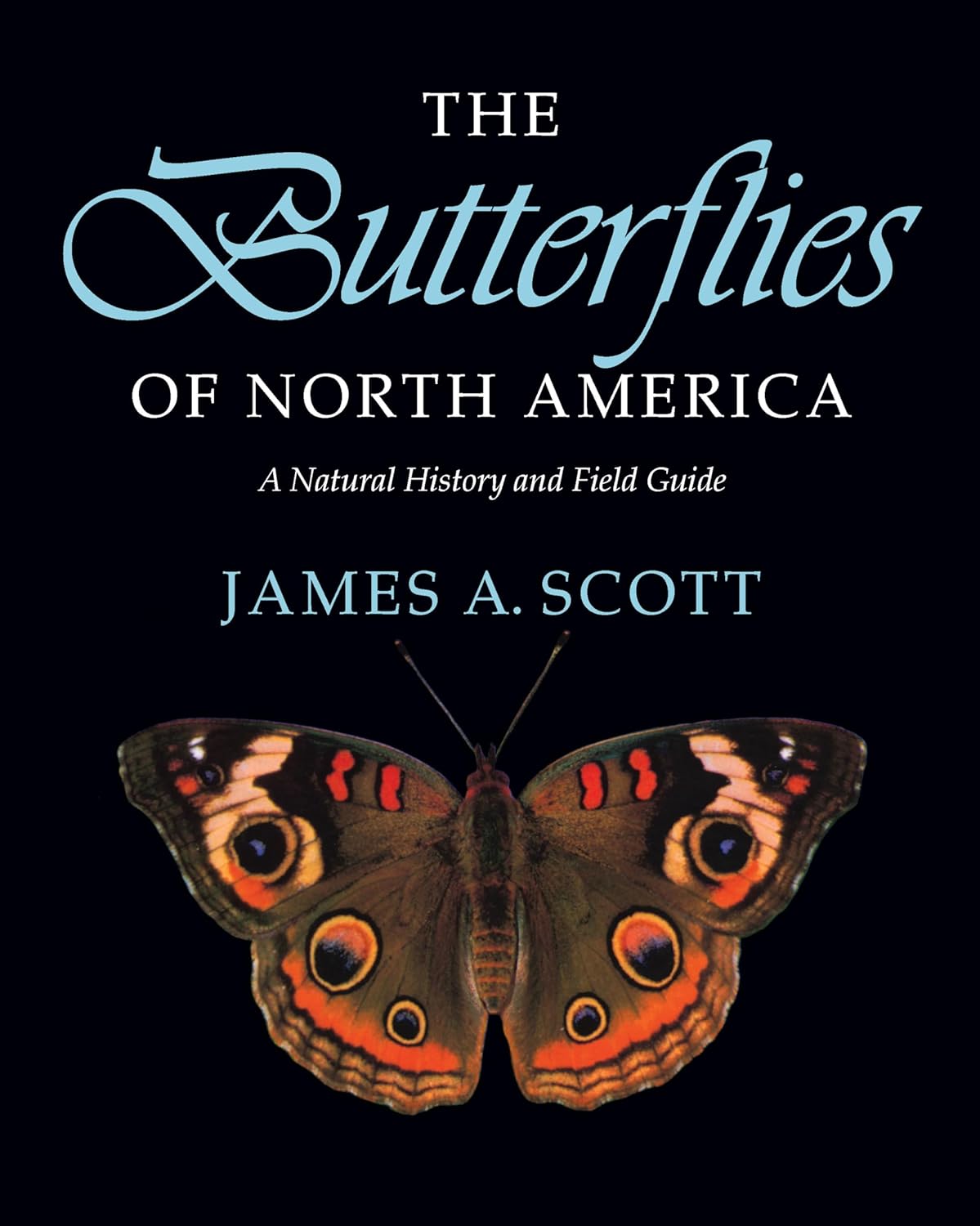
James A. Scott’s 1986 magnum opus, “The Butterflies of North America: A Natural History and Field Guide,” stands as an enduring testament to meticulous scholarship and passionate dedication to the world of butterflies. More than just a field guide, this monumental work is a veritable encyclopedia, offering an unparalleled blend of scientific rigor, accessible prose, and breathtaking detail that continues to captivate both seasoned lepidopterists and budding enthusiasts alike.
From the moment one opens its covers, the sheer scope of Scott’s ambition is evident. The book is divided into two major sections: a comprehensive natural history and a detailed field guide. The natural history section is where Scott truly shines, delving deep into every conceivable aspect of butterfly biology. Readers are treated to exhaustive discussions on morphology, life cycles, behavior, ecology, distribution, and even the nuances of butterfly collecting and preservation. What makes this section particularly remarkable is Scott’s ability to synthesize vast amounts of scientific information into an engaging and understandable narrative. He doesn’t shy away from technical terms, but he explains them clearly, making complex concepts approachable without oversimplifying. This foundational knowledge is invaluable, transforming the reader from a mere observer into an informed participant in the intricate world of these winged wonders.
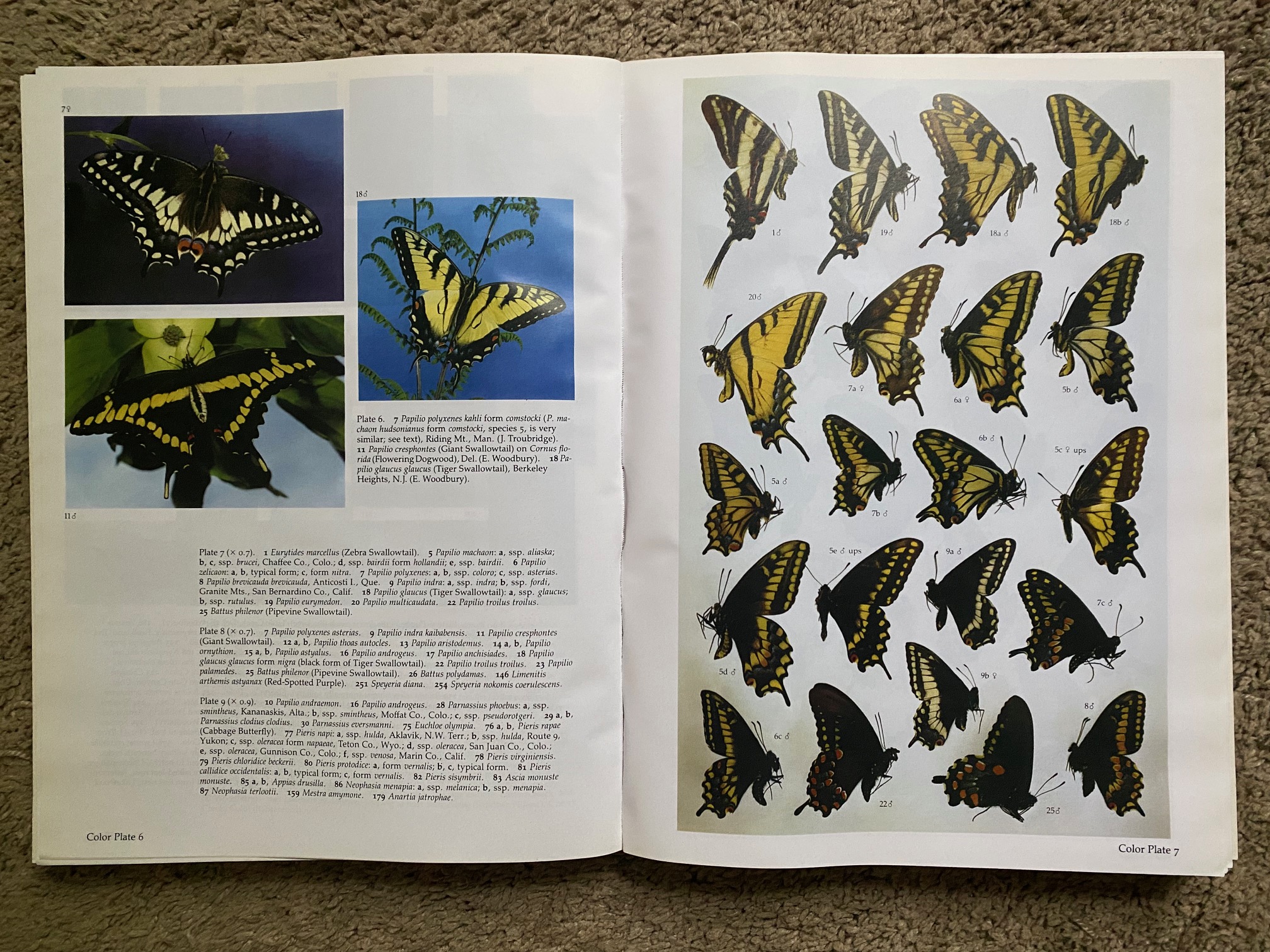
The field guide portion is equally impressive, covering an astonishing number of species found across North America. Each species account is a masterclass in concise yet comprehensive description. Scott provides detailed information on identification, including key markings, size, flight period, habitat preferences, and larval host plants. The range maps are clear and helpful, offering a quick visual reference for distribution. What sets this guide apart from many others is the inclusion of information on subspecies, variations, and even aberrant forms, catering to the needs of serious researchers and collectors who demand such precision.
One of the book’s most celebrated features is its exquisite illustrations. The color plates, featuring hundreds of meticulously rendered specimens, are simply stunning. These aren’t just pretty pictures; they are scientifically accurate depictions that highlight the subtle differences crucial for identification. The quality of the printing ensures that the colors are vibrant and true to life, making the process of comparing specimens a joy. Beyond the plates, the book is replete with informative line drawings, diagrams, and black-and-white photographs that further elucidate anatomical features, behaviors, and habitats.
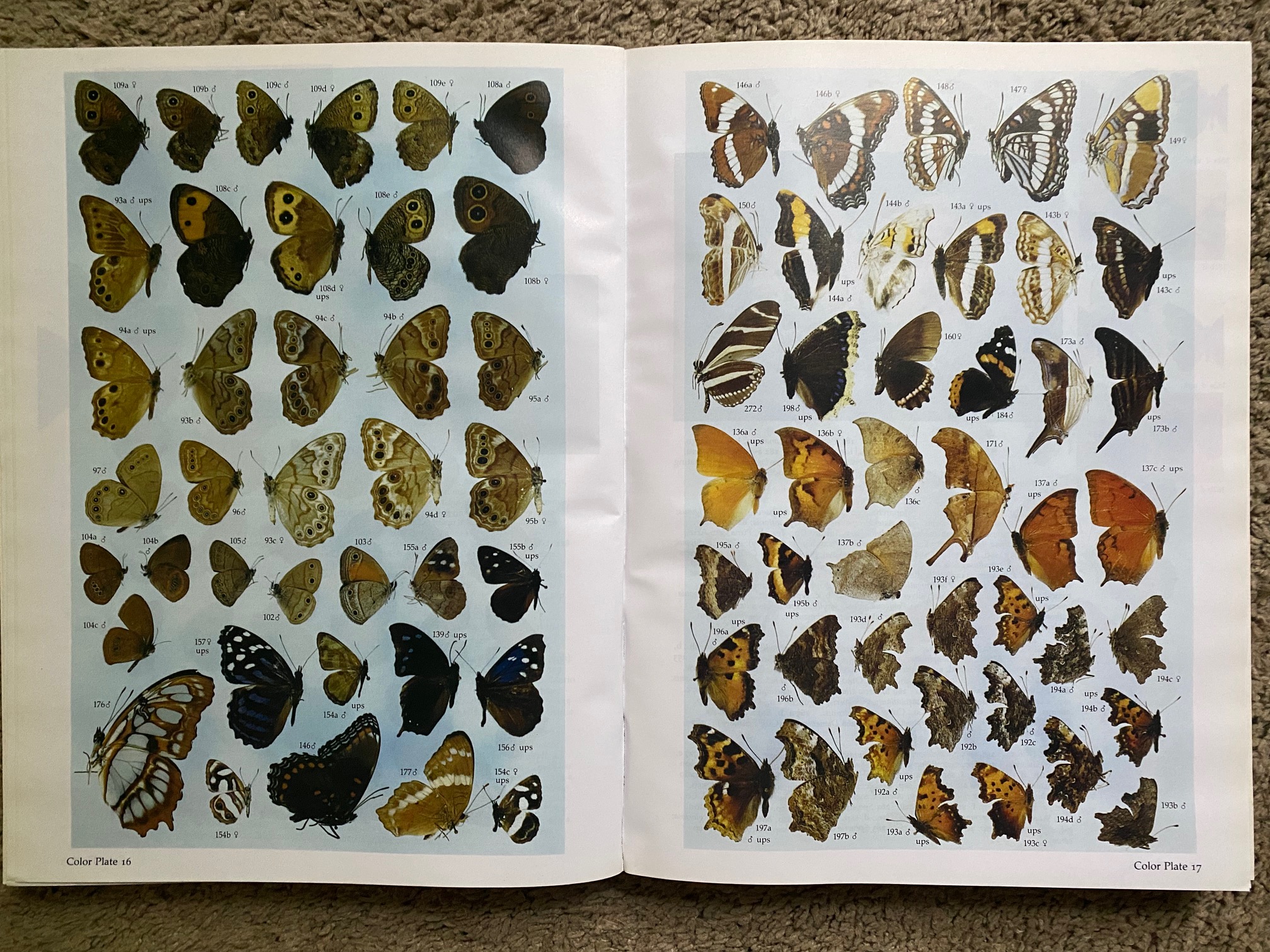
Despite its age, “The Butterflies of North America” remains remarkably relevant. While some taxonomic classifications may have evolved since its publication, the core biological information and the detailed species accounts are timeless. It serves as an exceptional reference work for researchers, a comprehensive learning tool for students, and an indispensable companion for anyone venturing into the field with a net and a desire to identify.
James A. Scott’s “The Butterflies of North America” is far more than just a book; it is a cornerstone of lepidopterological literature. Its blend of scientific authority, educational depth, and visual splendor makes it an essential volume for anyone with a serious interest in North American butterflies. It is a work of passion and precision that continues to educate, inspire, and delight, solidifying its place as a true classic in natural history publishing.
To read more of my Buggy Book Reviews, click HERE. To add this essential book to your library, click on the book cover below.
Discover more from
Subscribe to get the latest posts sent to your email.
 davethebugguy.org