
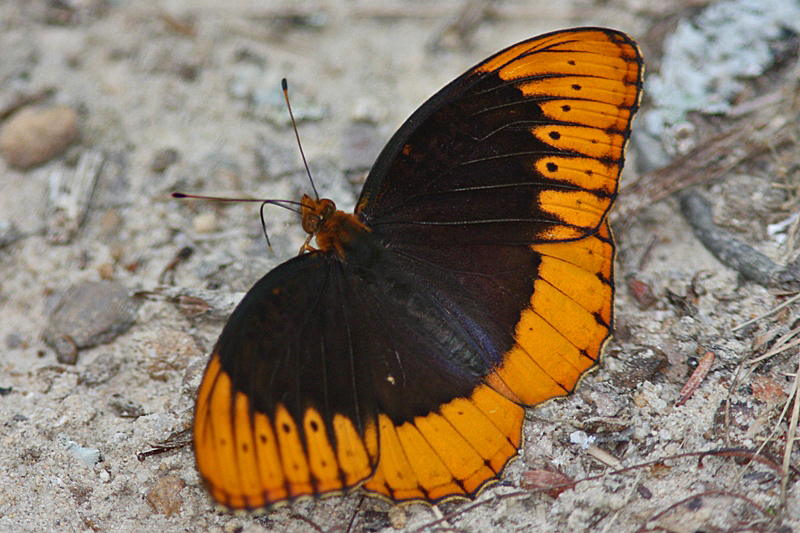
The Diana Fritillary, scientific name Speyeria diana, stands out as one of North America’s most striking and sought-after butterflies. Renowned for its dramatic sexual dimorphism, distinct habitat preferences, and fascinating life cycle, this “brush-footed butterfly” (Family Nymphalidae) is a true gem of the eastern and southern United States, captivating observers with its unique appearance and elusive nature.
Identification: A Tale of Two Genders
What immediately distinguishes the Diana Fritillary is the stark difference in appearance between the sexes. This “sexual dimorphism” is so pronounced that males and females can easily be mistaken for different species:
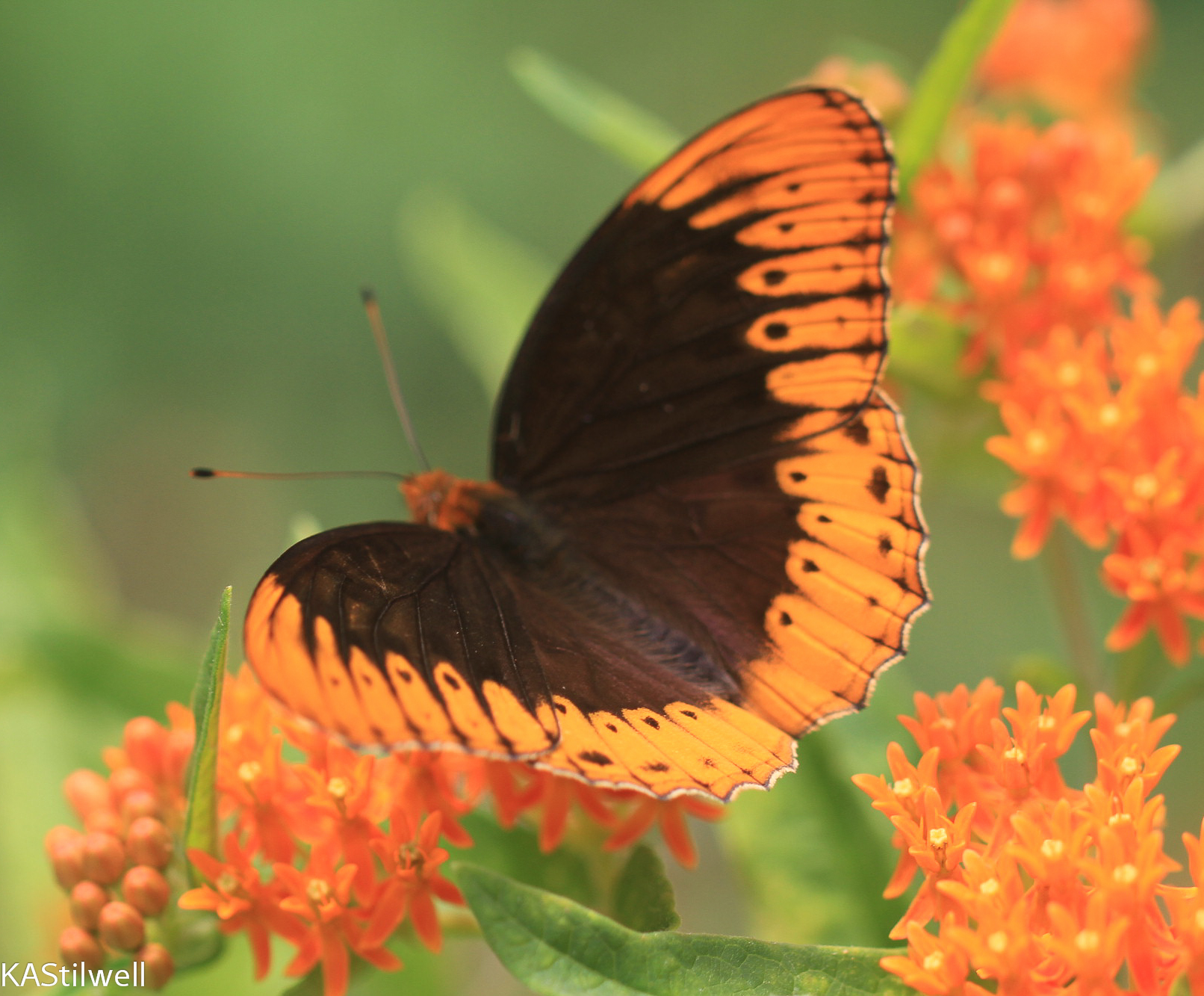
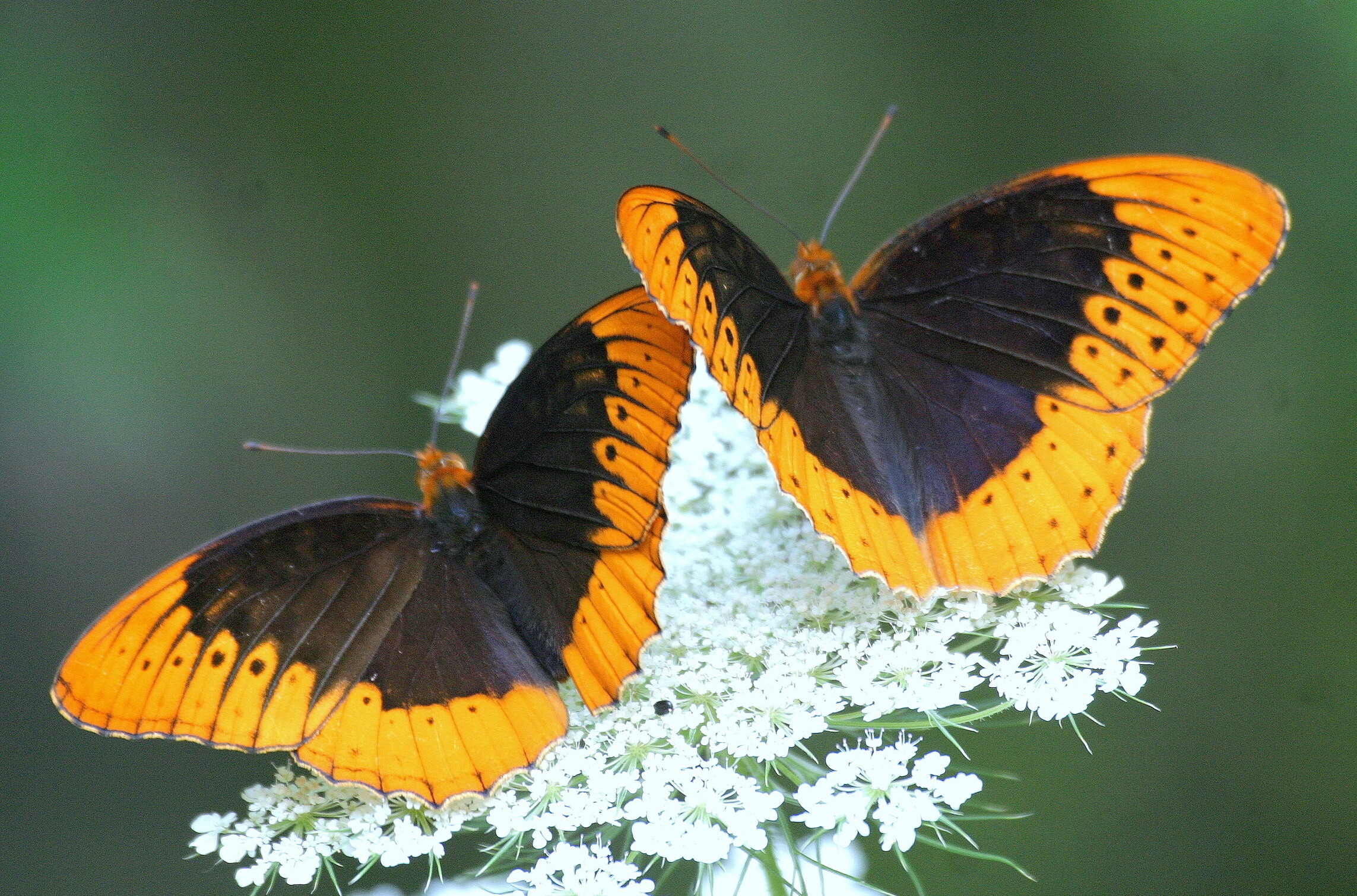
- Males: Sporting a rich, burnt orange on the outer portions of their wings with black at the base, and an orange underside, male Diana Fritillaries exhibit the more typical “fritillary” coloration. Their wingspan ranges from approximately 3 ½ to 4 ½ inches (8.7 – 11.3 cm).
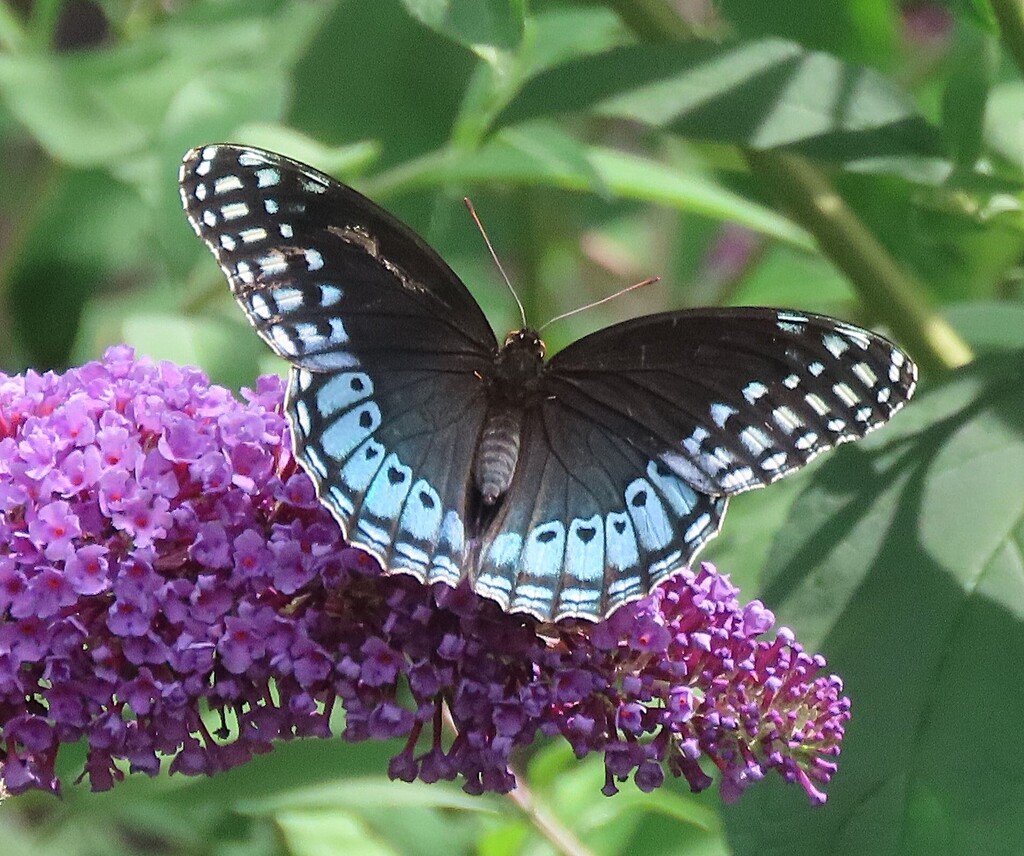
- Females: In striking contrast, the females are larger and predominantly dark blue-black, often with iridescent blue highlights on their hindwings and pale marks along the forewing edges. Their underwings are dusky and muted. This coloration is believed to be a form of Batesian mimicry, allowing them to resemble the unpalatable Pipevine Swallowtail (Battus philenor), thereby deterring predators.
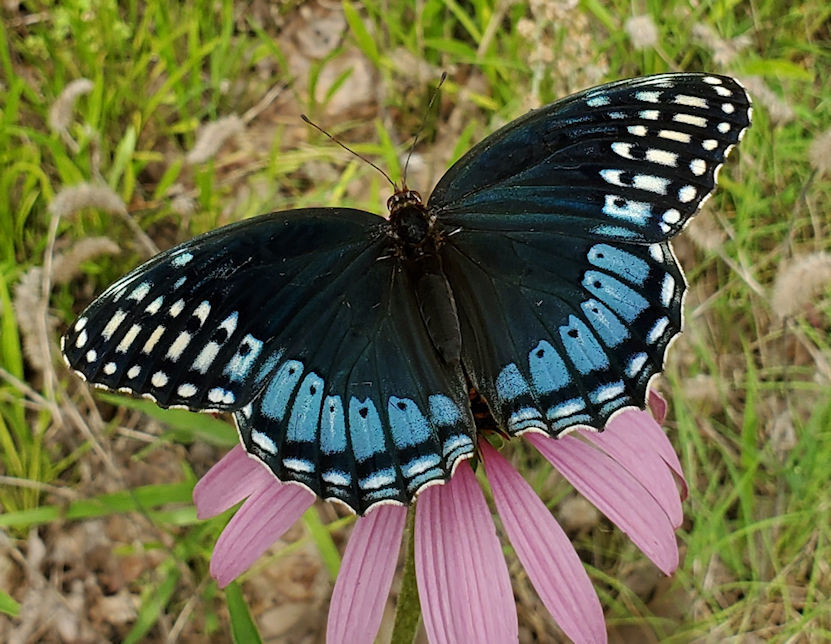
Both sexes lack the distinctive silver spangles often found on the undersides of other Speyeria species.
Habitat and Distribution: Forest Dwellers
The Diana Fritillary is primarily a forest-dependent species, favoring the edges and openings of moist, rich mountain forests. They can also be found nectaring in pastures, shrublands, and fields, but require suitable forest margins for breeding.
Their core distribution spans the southern Appalachian Mountains, from central Virginia and West Virginia through the mountains of northern Georgia and Alabama. A significant population also exists further west in the Ozark Mountains of Missouri, Arkansas, and eastern Oklahoma. Historically, their range extended more broadly, including parts of the Ohio Valley, eastern Virginia, and eastern North Carolina, from which they have largely been extirpated due to land clearance in the 19th and 20th centuries. Arkansas notably recognizes the Diana Fritillary as its state butterfly.
Life Cycle: A Year-Long Journey
The Diana Fritillary is “univoltine,” meaning it produces only one generation per year. Its life cycle unfolds as follows:
- Eggs: Females lay their small, roughly spherical, light brown eggs singly on dead leaves or twigs on the ground, typically in September, in the vicinity of violets. They do not lay eggs directly on the host plant.

- Larvae (Caterpillars): Upon hatching, the tiny first-instar caterpillars do not feed. Instead, they immediately burrow into the ground or seek shelter in leaf litter and enter an obligate diapause (a state of arrested development) for the winter. In the spring, they emerge to feed on the leaves and flowers of various species of violets (Viola spp.), which are their sole larval host plants. As they mature, the velvety black caterpillars develop rows of black spines emerging from red/orange bases, and have a black head with two short horns. Late instars may also possess a retractable, bulb-shaped osmeterium under their head, which releases a pungent odor as a defense mechanism.
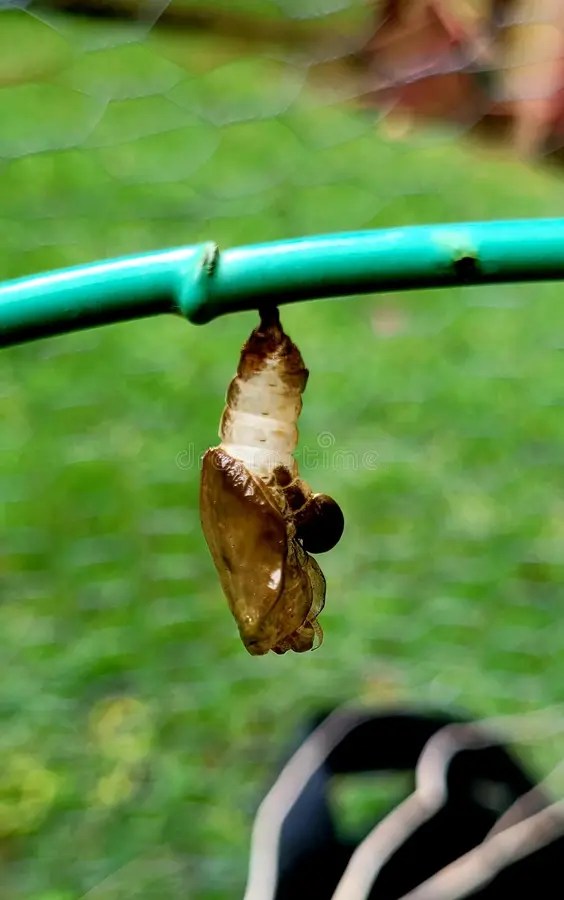
- Pupae (Chrysalides): After sufficient feeding, the caterpillar forms a chestnut-brown, chunky chrysalis, often in leaf litter or occasionally on violet plants themselves, sometimes within a silked-together leaf nest. This is the stage where the dramatic transformation into the adult butterfly occurs.
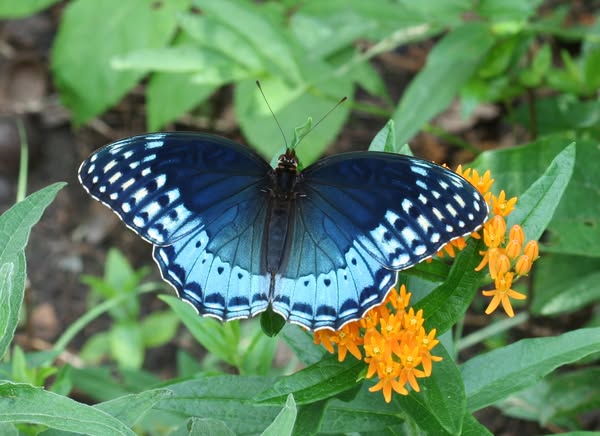
- Adults: Adult males typically emerge in late May to early June, several weeks before the females. Males are active fliers, patrolling within the forest to find mates. Females are generally more reclusive, often resting quietly in forest cover for much of the day, becoming more active in late summer for nectaring and oviposition. Adults are primarily nectarivores, feeding on high-quality nectar sources such as milkweeds (e.g., common and swamp milkweed), ironweed, red clover, butterfly bush, coneflowers, and thistles. They have also been observed feeding on dung and moist soil. While males usually complete their life cycle by late July, females can live longer, persisting into early October.
Conservation Status and Threats
Despite being widespread, Diana Fritillary populations are scattered and can fluctuate significantly between years. The Xerces Society lists the Diana Fritillary as “Vulnerable,” and NatureServe classifies it as G3, indicating it is “very rare or local throughout its range or found locally in a restricted range.”
Historically, land clearance has significantly reduced its range. Today, the primary threats to Speyeria diana are closely tied to forest management practices:
- Logging Operations: While the Diana Fritillary can recolonize cut areas as the forest regrows, extensive logging can disrupt populations.
- Pest Control: The spraying of insecticides, particularly Bacillus thuringiensis (Btk) for gypsy moth control, poses a significant long-term threat. Third-instar Diana Fritillary larvae have shown particular sensitivity to Btk, and large-scale spraying can drastically reduce larval populations.
- Habitat Loss and Degradation: Strip mining destroys habitat, and the spread of invasive species like garlic mustard, along with increased deer populations, can reduce the abundance of their crucial violet host plants.
- Climate Change: Climate change is also identified as a threat, potentially altering their natural habitat and contributing to population declines.

Conservation Efforts
Conservation efforts for the Diana Fritillary focus on understanding and protecting its unique habitat requirements. Key strategies include:
- Surveys and Monitoring: Locating major Diana populations and monitoring them long-term is crucial to assess the impacts of logging and spraying and to evaluate their ability to recolonize disturbed areas.
- Habitat Protection: Protecting existing forest habitats from unnecessary logging and avoiding broad-scale pesticide applications are vital.
- Habitat Restoration: Promoting the creation and protection of woodland and grassland habitats with native nectar plants and violets is essential. Projects like “The Diana Patch” aim to create way-stations specifically tailored to their needs.
- Public Awareness and Citizen Science: Initiatives like The Diana Project in Arkansas engage the public through education and citizen science programs (e.g., iNaturalist sightings) to gather data and promote conservation.
- Integrated Forest Management: Incorporating information about Diana Fritillary populations into forest planning processes can help minimize impacts from human activities.

The Diana Fritillary, with its captivating beauty and intriguing life history, serves as an important indicator of forest health. By understanding and addressing the challenges it faces, we can work to ensure the continued survival of this magnificent butterfly for future generations to admire.
To read the rest of my Lepidoptera Life Cycles series, click HERE.
Discover more from
Subscribe to get the latest posts sent to your email.
 davethebugguy.org