

From the dense, humid forests of Cameroon, West Africa, emerges Hysterocrates gigas, popularly known as the Cameroon Red Baboon Tarantula. This impressive terrestrial tarantula is renowned for its sheer size, powerful build, and striking, often reddish-brown coloration, making it one of the most formidable and sought-after species among tarantula enthusiasts.
A Powerful Presence: Appearance and Distinctive Patterns
Hysterocrates gigas is a huge tarantula, with adult females regularly achieving a leg span of 7 to 9 inches (18 to 23 cm), and sometimes even larger. Its robust and heavily built body contributes to its imposing presence.
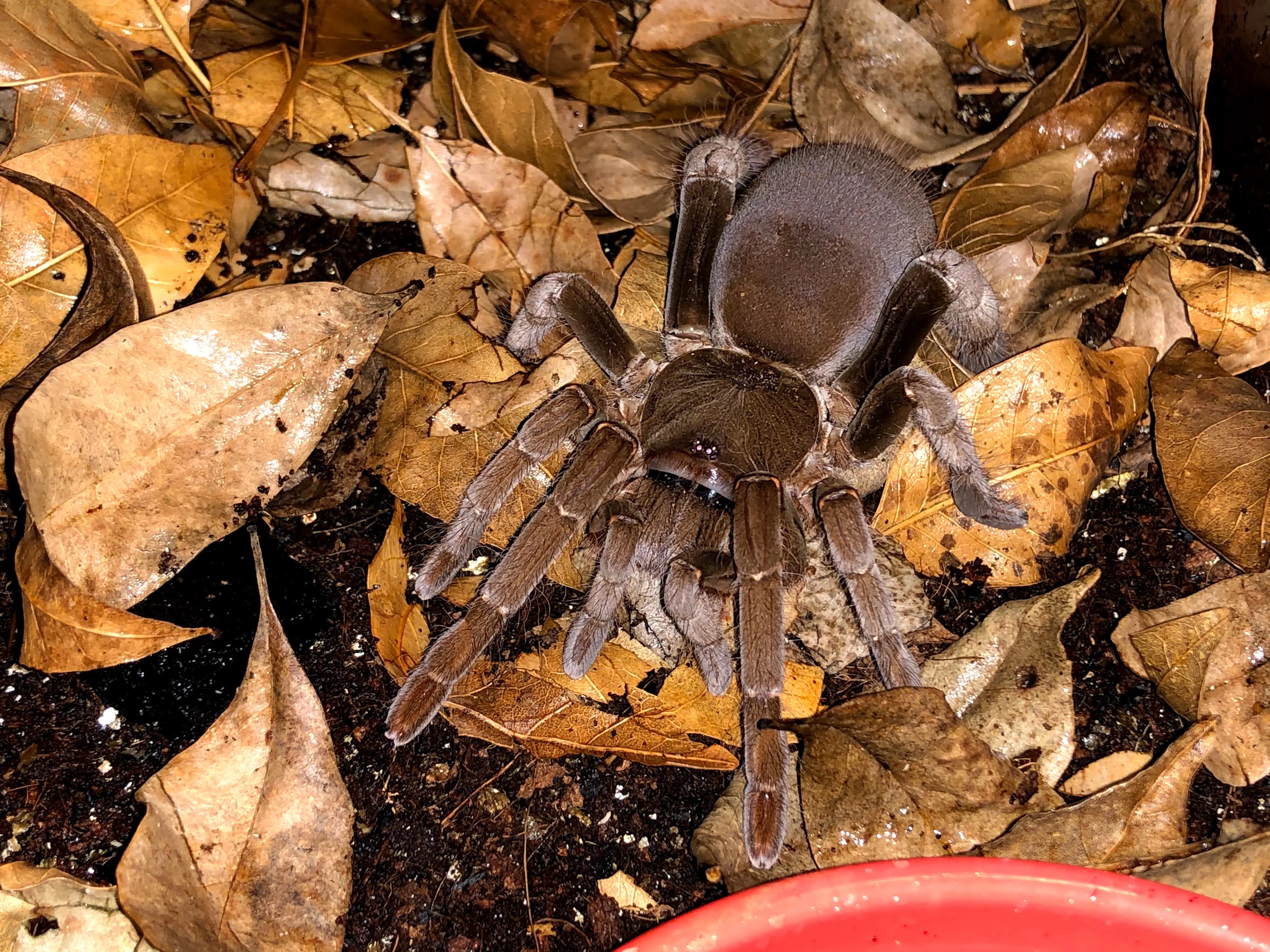
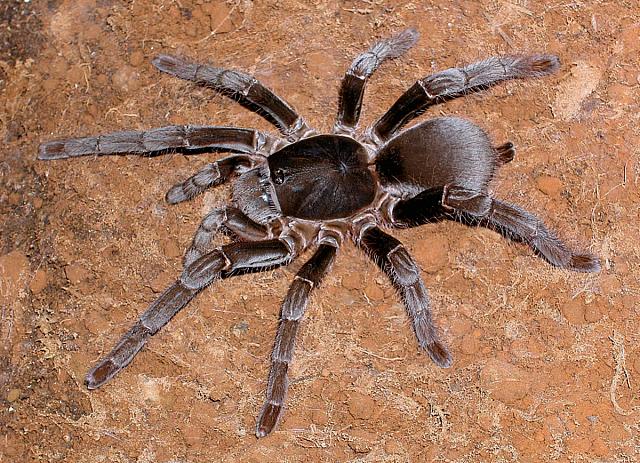
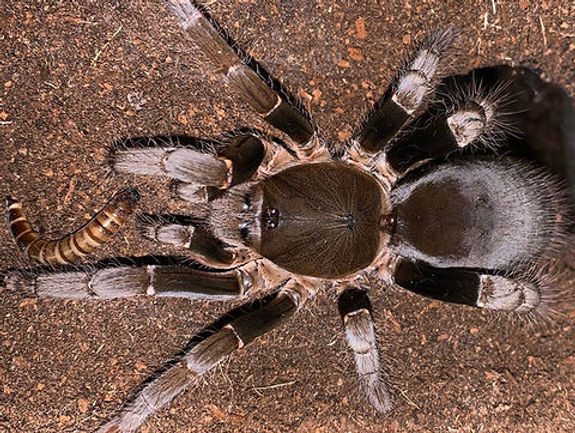
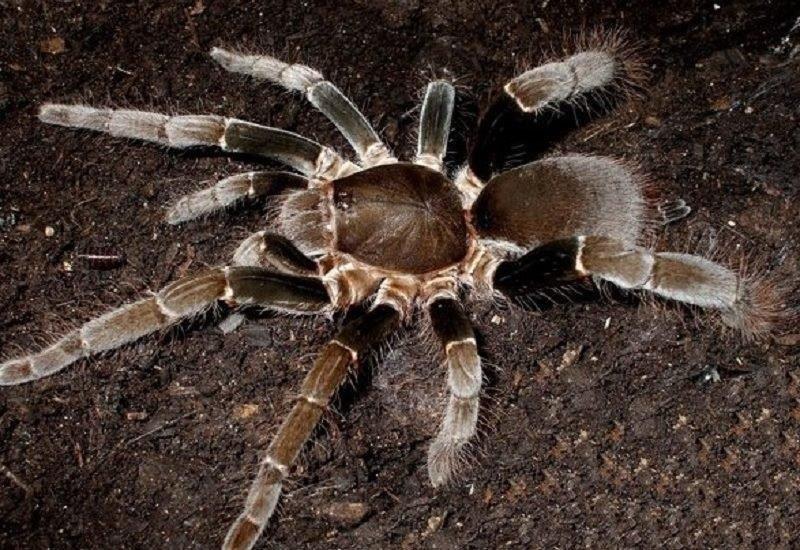
Coloration: Both males and females exhibit a deep reddish-brown to dark brown coloration across their entire body. This uniform, earthy tone helps them blend seamlessly into their natural forested habitat. Some individuals may display more reddish hues, particularly on their legs, contributing to the “Red” in their common name. Their bodies are covered in dense, short hairs, giving them a velvety appearance.
Sexual Dimorphism: While both sexes are large and similarly colored, mature males are generally more slender and may have slightly longer legs in proportion to their body compared to the bulkier females. Males also possess tibial hooks on their front legs, which are used to hold the female’s fangs during mating.
This combination of massive size and deep, earthy coloration gives Hysterocrates gigas an undeniably powerful and imposing appearance.
Distribution and Habitat: A Deep Forest Dweller
Hysterocrates gigas is endemic to the tropical rainforests of Cameroon, West Africa. Its natural habitat consists of dense, humid environments with rich, often damp, soil. These tarantulas are obligate burrowers, meaning they spend the vast majority of their lives within intricate tunnel systems they excavate in the ground.
Their burrows can be quite extensive, reaching considerable depths and featuring multiple chambers and exits. This subterranean lifestyle provides them with stable temperature and humidity, and protection from predators. While primarily found in undisturbed forestland, they may occasionally be encountered in disturbed areas if suitable burrowing opportunities exist.

Lifestyle and Behavior: The Deep-Dwelling Hunter and Occasional Swimmer
The Cameroon Red Baboon Tarantula is known for its defensive and often aggressive temperament. Unlike some more docile species, they are quick to display threat postures, rearing up on their hind legs and striking with their formidable fangs if they feel threatened. Their sheer size and powerful bite mean that caution is always advised when interacting with them.
Burrowing Behavior: Their strong digging legs are perfectly adapted for excavating complex burrows. They are nocturnal predators, emerging from their burrows at night to ambush unsuspecting prey.
Swimming Capabilities: While primarily terrestrial and burrowing, Hysterocrates gigas is also known to exhibit surprising aquatic abilities. They are capable swimmers and have been observed to enter water, either to escape predators, cross small water bodies, or even during heavy rains when their burrows may flood. Their dense leg bristles can trap air, which aids in buoyancy. This unexpected skill highlights their adaptability within their humid rainforest environment.
Defense Mechanisms: When provoked, their primary defense is to bite. Their venom, while not considered life-threatening to healthy humans, can cause significant pain, muscle cramps, and localized swelling. They do not possess urticating hairs, relying solely on their fangs for defense. Their powerful build also allows them to deliver a strong “kick” with their legs.
Due to their reclusive, burrowing nature, Hysterocrates gigas is more often seen in its hide than out in the open, though dedicated observers may catch glimpses of them during their nocturnal hunting forays.
Life Cycle: Slow Growth and Longevity
The life cycle of Hysterocrates gigas is characterized by relatively slow growth and impressive longevity, particularly for females.
Egg & Spiderlings: Females construct a large egg sac, which they guard diligently within their burrow. The sac can contain a significant number of eggs, often several hundred. The spiderlings that emerge are miniature versions of the adults, already exhibiting their characteristic dark coloration.
Juvenile Growth: This species has a slow to medium growth rate, taking several years to reach maturity. They undergo numerous molts as they gradually increase in size.
Adult: Females are exceptionally long-lived, often reaching lifespans of 20 years or more in captivity, making them a very long-term commitment for keepers. Males mature faster and have a significantly shorter lifespan once adult, typically living only a few years after their final molt. Their adult life is primarily focused on seeking a mate.
Ecological Role: A Top Terrestrial Predator
In their native Cameroonian ecosystems, Hysterocrates gigas serves as a crucial terrestrial invertebrate predator. As apex predators in their microhabitat, they play a vital role in regulating populations of various ground-dwelling insects, small amphibians, and even small rodents. Their extensive burrowing activities also contribute to soil aeration and nutrient cycling within the forest floor, influencing the overall health of their ecosystem. Their ability to swim may also aid in dispersing to new areas or escaping unfavorable conditions.
Conservation Status and Threats: A Need for Vigilance
While Hysterocrates gigas is a relatively common species within the pet trade, its conservation status in the wild is not always well-documented. As an inhabitant of tropical rainforests, its populations are potentially vulnerable to:
- Habitat Destruction: Deforestation for agriculture, logging, and human settlement poses a significant threat to their natural habitat.
- Illegal Collection: Demand from the pet trade, if unregulated, could put pressure on wild populations, although captive breeding efforts help to mitigate this to some extent.
- Climate Change: Changes in temperature and humidity patterns could impact their delicate rainforest environment.
Sustainable practices in the pet trade and conservation efforts aimed at preserving their forest habitats are essential to ensure the long-term survival of this magnificent species in the wild.

The Majestic “Cameroon Red Baboon Tarantula”: An Enduring Fascination
Hysterocrates gigas, the Cameroon Red Baboon Tarantula, with its imposing size, powerful build, deep-dwelling lifestyle, and surprising aquatic capabilities, embodies the raw, untamed beauty of the African rainforest. This fascinating arachnid, a master burrower and formidable predator, offers a compelling window into the complex web of life that thrives beneath the forest floor and occasionally ventures into its watery realms. Its unique characteristics and significant presence continue to captivate both researchers and enthusiasts alike, reminding us of the immense biodiversity and inherent value of every creature within our planet’s wild spaces.
To read more of my Tarantula Species Spotlights, click HERE.
Discover more from
Subscribe to get the latest posts sent to your email.
 davethebugguy.org