
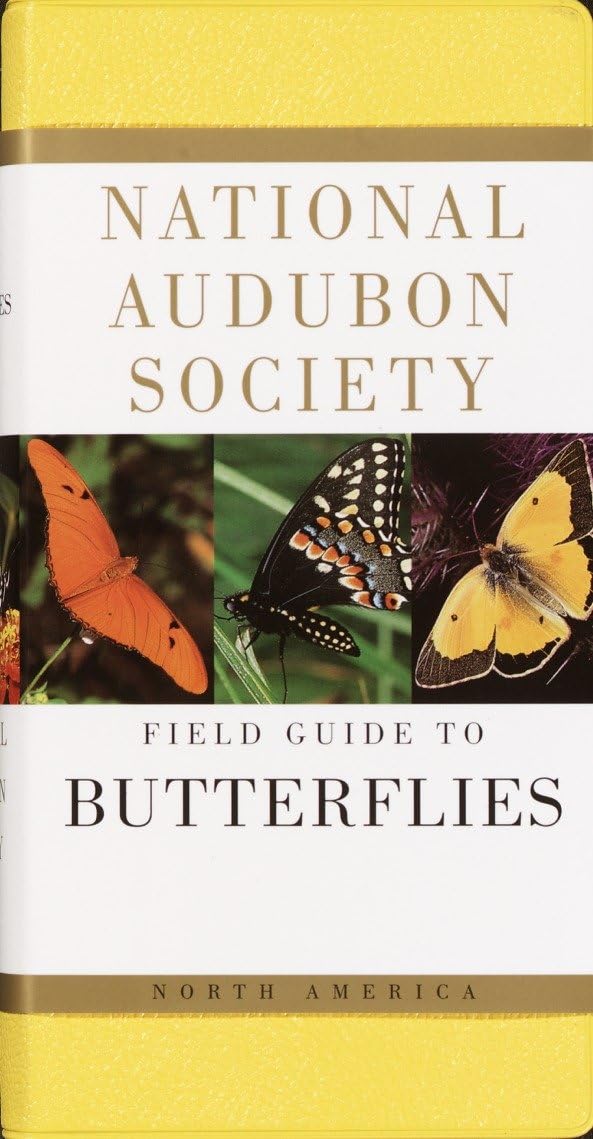
The “National Audubon Society Field Guide to North American Butterflies” by Robert Michael Pyle stands as an indispensable companion for anyone eager to explore the vibrant and intricate world of butterflies across the continent. This guide is far more than just a collection of images; it’s a meticulously crafted resource that elevates the experience of butterfly watching from a casual glance to a deeply informed and immensely satisfying pursuit.
One of the most striking features of this field guide is its exceptional photography. Each species is represented by crisp, clear, and often multiple images, showcasing different angles, sexes, and even life stages where relevant. This visual accuracy is paramount for identification, allowing users to confidently distinguish between similar-looking species. The photographs are thoughtfully arranged, often highlighting key distinguishing marks, making the identification process intuitive and engaging.
Beyond the stunning visuals, the descriptive text for each butterfly is a treasure trove of information. Robert Michael Pyle’s expertise shines through in his concise yet comprehensive descriptions, covering not only physical characteristics but also crucial details about habitat, range, flight period, host plants, and even behavioral nuances. This holistic approach provides a complete picture of each species, enriching the user’s understanding beyond mere identification. The inclusion of range maps is also incredibly helpful, offering a quick visual reference for where each butterfly can be found.

What truly sets this guide apart is its user-friendly design. The organization by color and shape, rather than strict taxonomic order, is a stroke of genius for field use. When you spot a butterfly, your first impression is often its general appearance, and this guide allows for quick navigation to similar-looking species, streamlining the identification process in the field. The durable, flexible binding is also a practical consideration, designed to withstand the rigors of outdoor adventures.
For both novice enthusiasts and seasoned lepidopterists, Pyle’s guide offers immense value. Beginners will appreciate the clear, accessible language and the ease with which they can begin identifying common species. More experienced observers will find the detailed ecological information and subtle identification tips invaluable for deeper study and for distinguishing between rarer or more challenging species. The introductory sections, which cover butterfly anatomy, life cycles, conservation, and tips for observation, are excellent primers that prepare the reader for a more meaningful engagement with butterflies.
The “National Audubon Society Field Guide to North American Butterflies” is a masterclass in field guide creation. It combines scientific rigor with practical usability, making it an essential tool for anyone with an interest in these captivating insects. Robert Michael Pyle has delivered a guide that is not only informative but also inspiring, fostering a deeper appreciation for the beauty and biodiversity of North American butterflies. It’s a truly indispensable resource that belongs in the backpack of every nature lover.
To read more of my Buggy Book Reviews, click here. To add this amazing book to your buggy library, click on the cover below.
Discover more from
Subscribe to get the latest posts sent to your email.
 davethebugguy.org