

Soaring on tireless wings across continents and oceans, the painted lady, scientifically known as Vanessa cardui, is arguably the most widely distributed butterfly in the world. With its distinctive orange, black, and white patterns, and its remarkable ability to undertake epic migratory journeys, this resilient and adaptable species is a truly global phenomenon, captivating observers wherever it lands.
A Mosaic of Orange, Black, and White: Appearance and Subtle Variations:
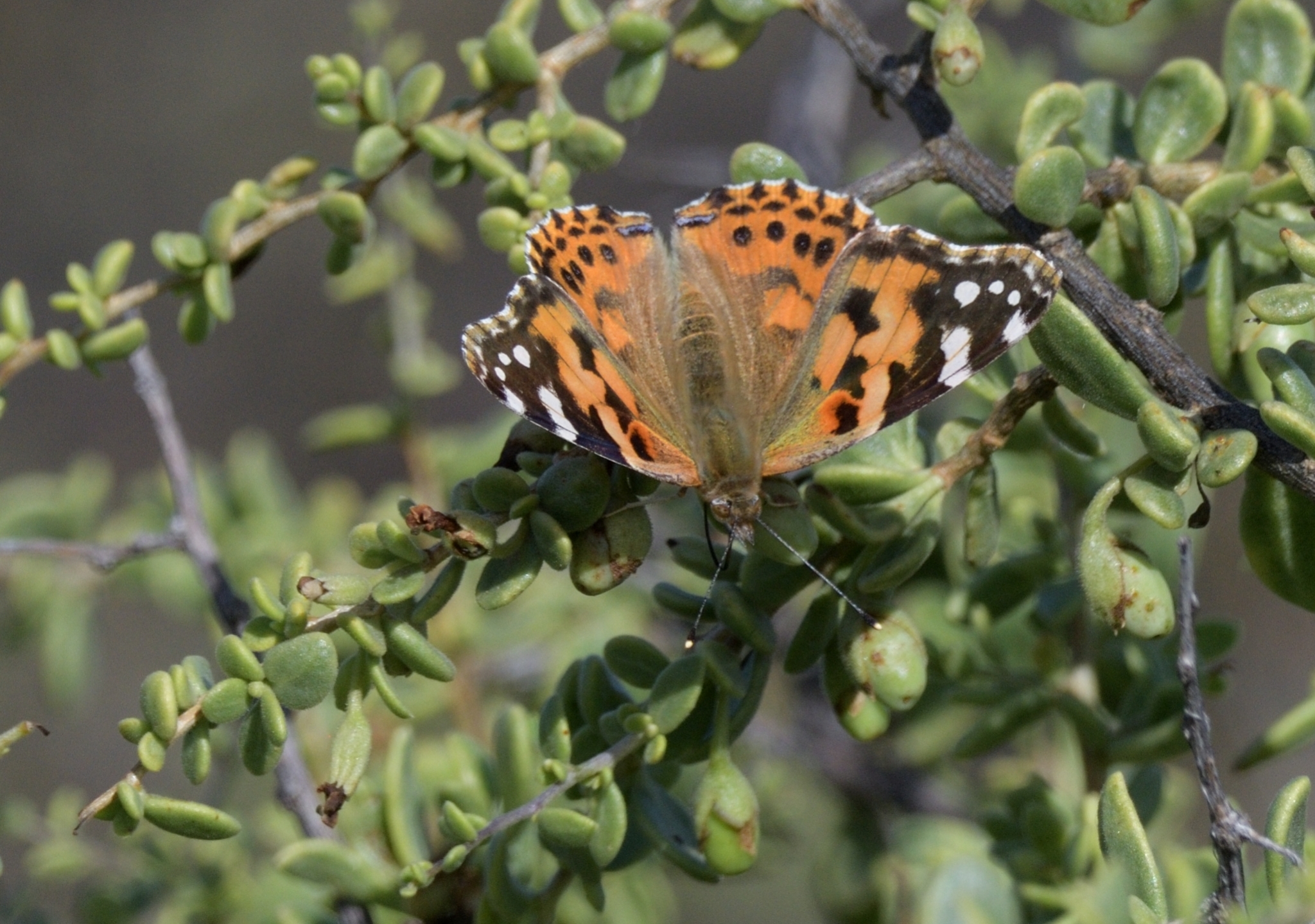
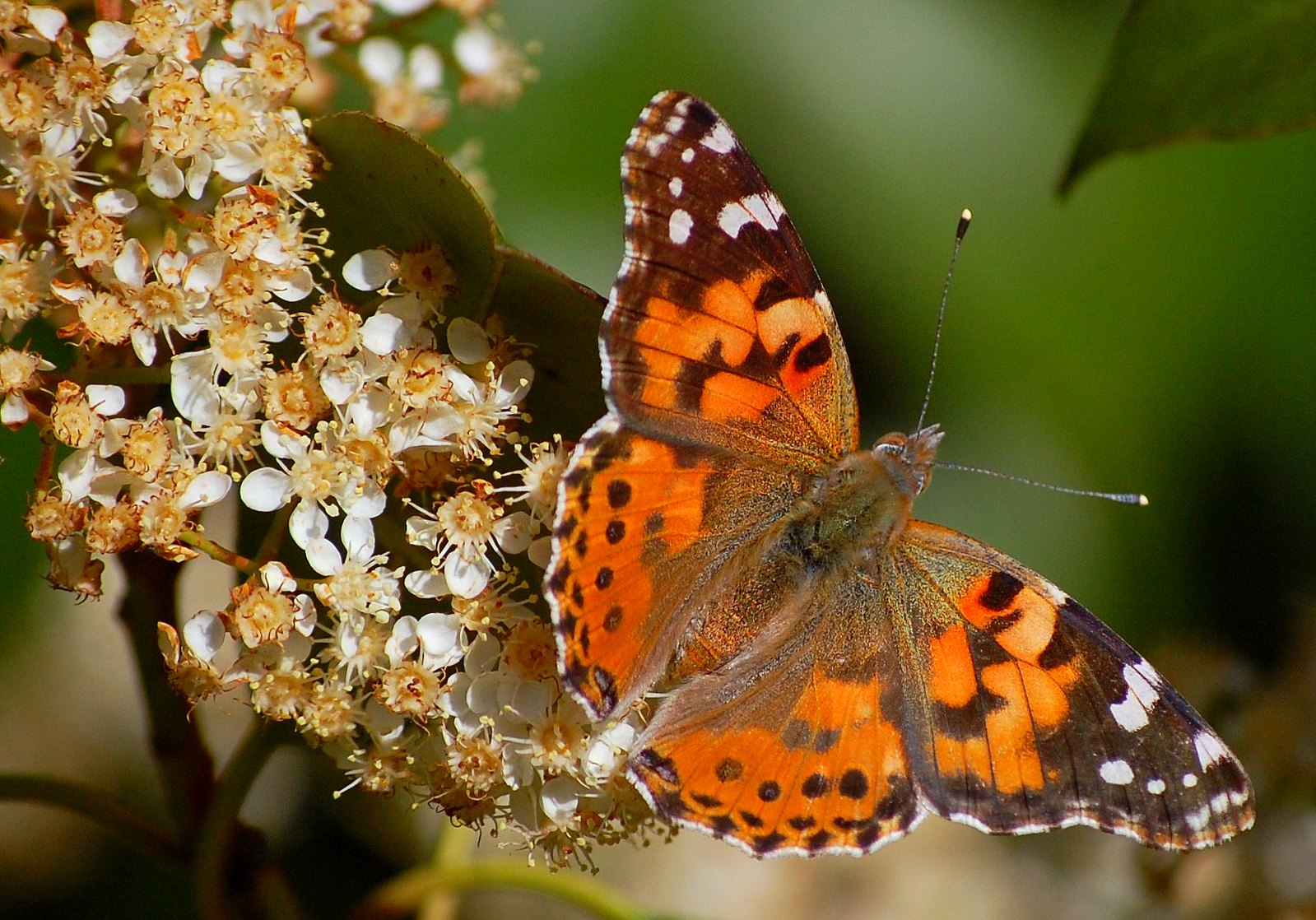
The painted lady is a medium-sized butterfly, typically boasting a wingspan ranging from 2 to 2.9 inches (5 to 7.3 cm). Its dorsal (upper) wing surface features a warm, mottled orange background, overlaid with intricate black patterns. The forewings display a prominent black apex (tip) adorned with crisp white spots, and several black spots across the orange field. The hindwings are mostly orange with a row of five small, round black spots along the outer margin, sometimes with a faint blue center, especially in fresh specimens.
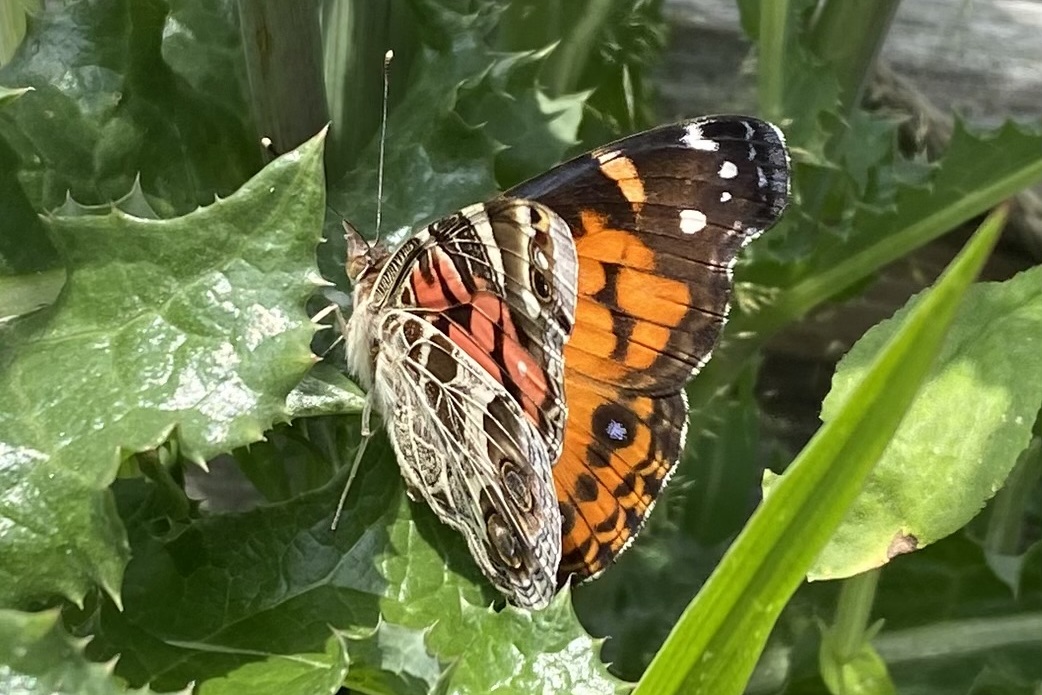
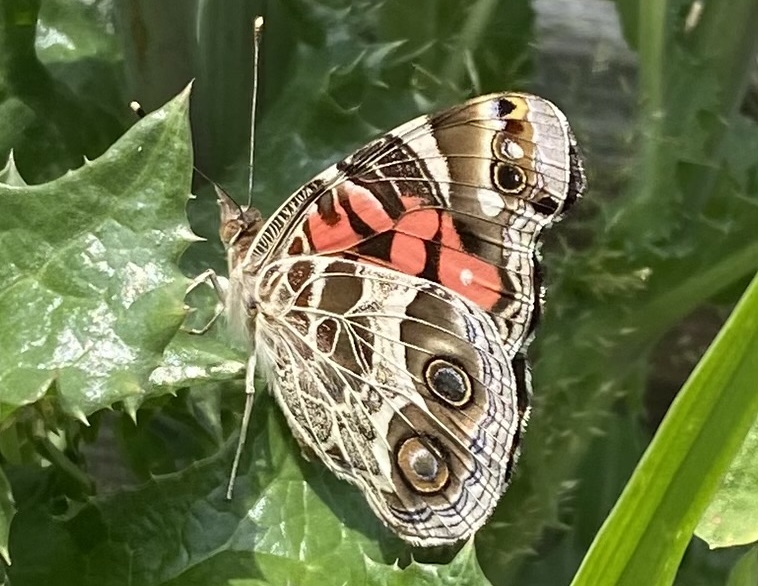
The ventral (underside) of the wings is a beautiful, intricate mosaic of mottled browns, grays, whites, and blacks, with a similar pattern of eyespots on the hindwing that often have blue centers. This cryptic underside provides excellent camouflage when the butterfly rests with its wings closed, blending seamlessly with bark, dry leaves, or bare earth. There is little sexual dimorphism, with males and females appearing very similar.
Distribution and Habitat: A Truly Cosmopolitan Species:
Vanessa cardui is a truly cosmopolitan butterfly, found on every continent except Antarctica. It is particularly abundant in temperate and subtropical regions globally, including North America, Europe, Asia, Africa, and Australia. Its extraordinary distribution is a testament to its powerful migratory capabilities and its adaptability to an incredibly diverse range of open habitats. These include meadows, fields, deserts, savannas, grasslands, open woodlands, urban parks, gardens, and even high mountain elevations. It is often one of the first butterflies to colonize disturbed areas.
Life Cycle: A Continuous Journey of Generations:
The life cycle of Vanessa cardui is fundamentally driven by its migratory behavior, with continuous breeding as successive generations move across vast geographical areas.
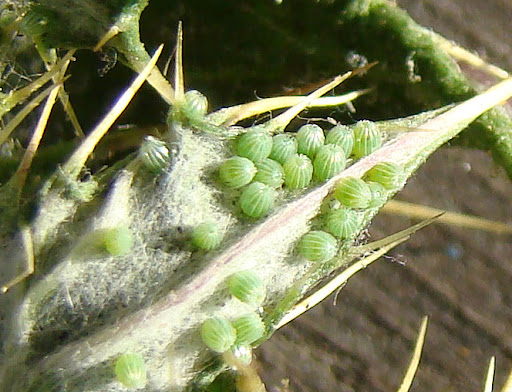
- Egg: Females lay small, pale green, ribbed eggs singly on the upper surface of the leaves of its host plants.
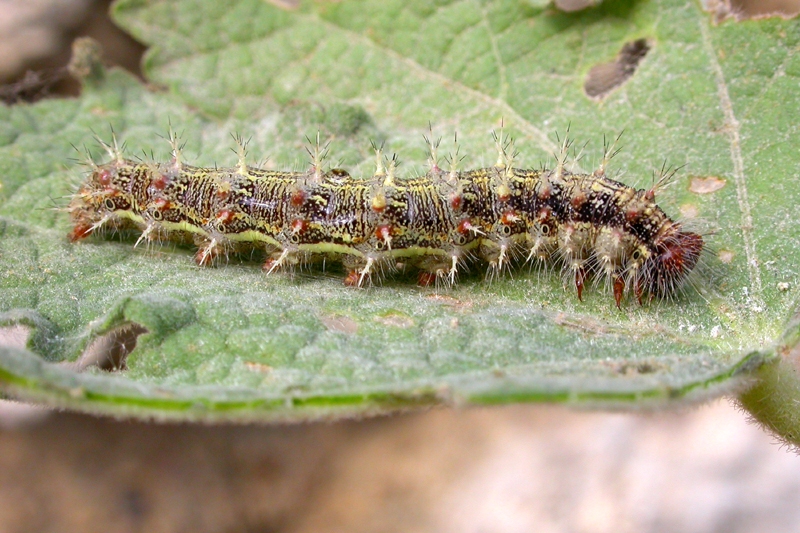
- Larva (Caterpillar): The caterpillars are typically dark-colored (black or brownish) with numerous branched spines covering their bodies. They often have yellowish stripes or spots along their sides. They are solitary feeders, each creating a silk web shelter by folding or tying together leaves of their host plant, within which they feed and develop.
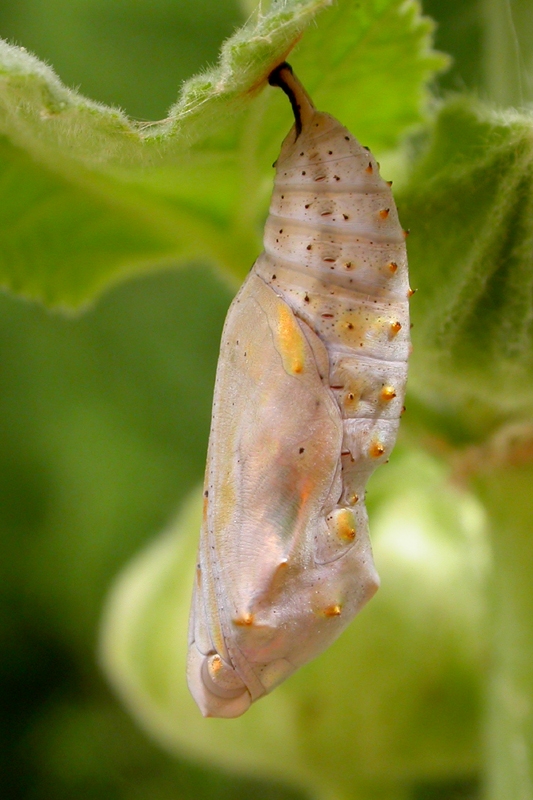
- Pupa (Chrysalis): Once fully grown, the larva forms a chrysalis that is usually light brown, green, or mottled, often adorned with metallic gold or silver spots. It is suspended head down from a silken pad on a leaf or stem.
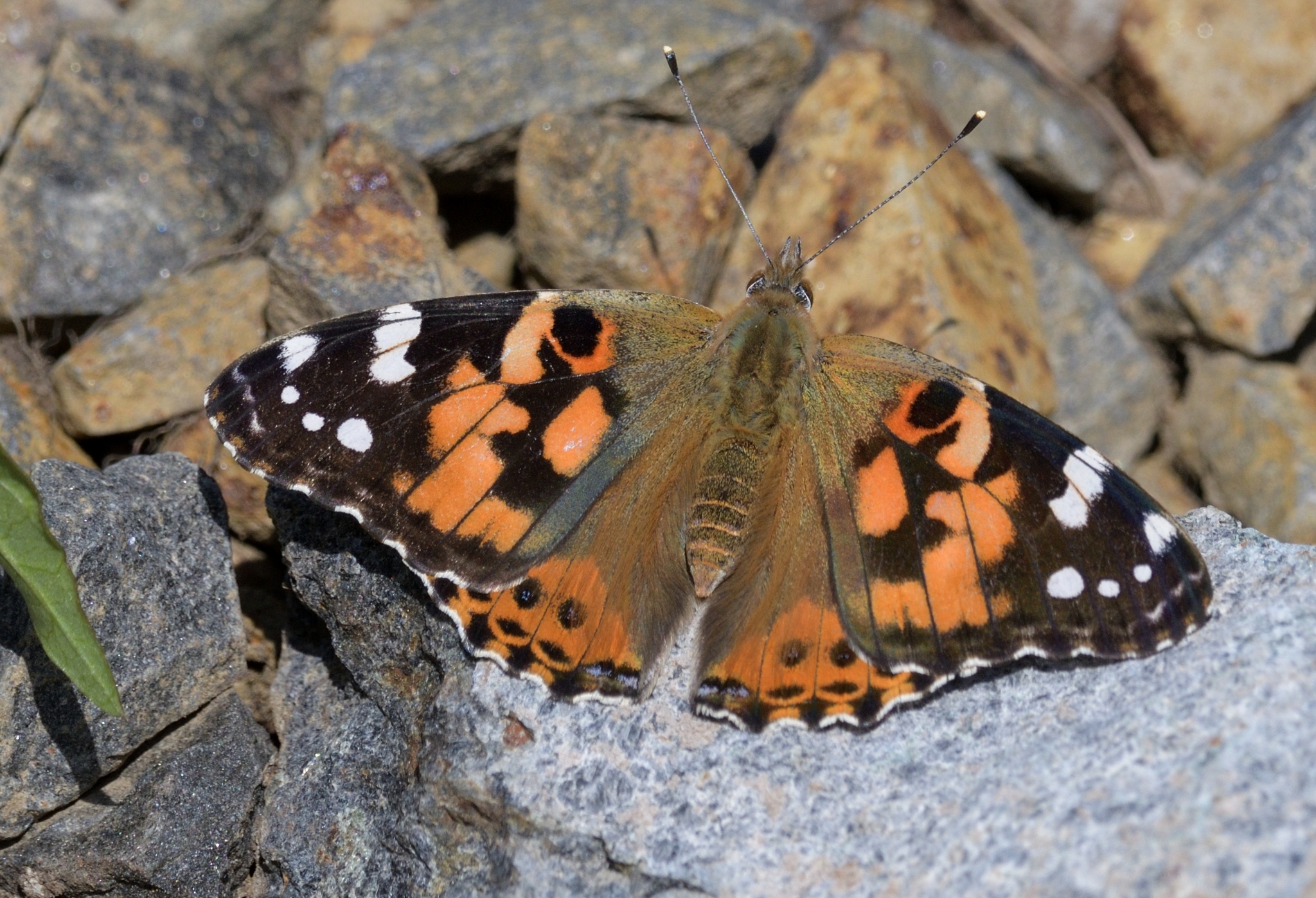
- Adult: The adult butterfly emerges from the chrysalis. After allowing its wings to dry and harden, the painted lady takes flight. Unlike many butterflies that complete their life cycle in one region, Vanessa cardui undertakes multi-generational migrations. Individuals that emerge in warmer southern regions (e.g., Mexico, North Africa) fly northward in successive generations, colonizing new territories as summer progresses. The final generations in northern areas often migrate southward to warmer climates to overwinter, but individuals rarely survive freezing temperatures, so populations in colder regions are largely re-established annually by migrants.
Host Plants and Nectar Sources: A Broad and Adaptable Diet:
The caterpillars of the painted lady are highly polyphagous, feeding on a wide variety of herbaceous plants, particularly thistles and mallows. This broad diet is a key factor in their widespread success. Common larval host plants include:
- Thistles (Cirsium species, Carduus species)
- Mallows (Malva species)
- Hollyhocks (Alcea rosea)
- Sunflowers (Helianthus species)
- Borages (Borago officinalis)
- Nettles (Urtica dioica)
Adult butterflies are highly opportunistic and avid nectar feeders, visiting a vast array of flowering plants. Their long proboscis allows them to feed from many flower types, making them important pollinators. Favored nectar sources often include thistles, asters, zinnias, cosmos, and various other wildflowers and garden ornamentals. They also sometimes sip sap or rotting fruit.
Behavior and Ecology: Epic Migrations and Fast Flight:
The painted lady is renowned for its powerful, direct, and often very fast flight, which enables its incredible migratory journeys. These migrations can cover thousands of miles, crossing deserts, mountains, and even oceans, with successive generations contributing to the overall movement. They often fly at considerable altitudes during these long-distance movements.
Males are generally not territorial; instead, they actively search for females. When resting, they often bask with their wings spread in sunny spots. Their cryptic underside provides excellent camouflage against the ground, while the upper-wing patterns are thought to be part of their visual communication system.
Conservation Status and Threats: A Resilient Global Traveler:
Vanessa cardui is globally considered a common and widespread species and is not facing significant conservation threats. Its extraordinary adaptability to diverse habitats, its broad polyphagous diet, and its robust migratory capabilities contribute to its immense resilience. While population numbers in specific regions can fluctuate dramatically from year to year depending on weather patterns and host plant availability, the species as a whole remains exceptionally robust.
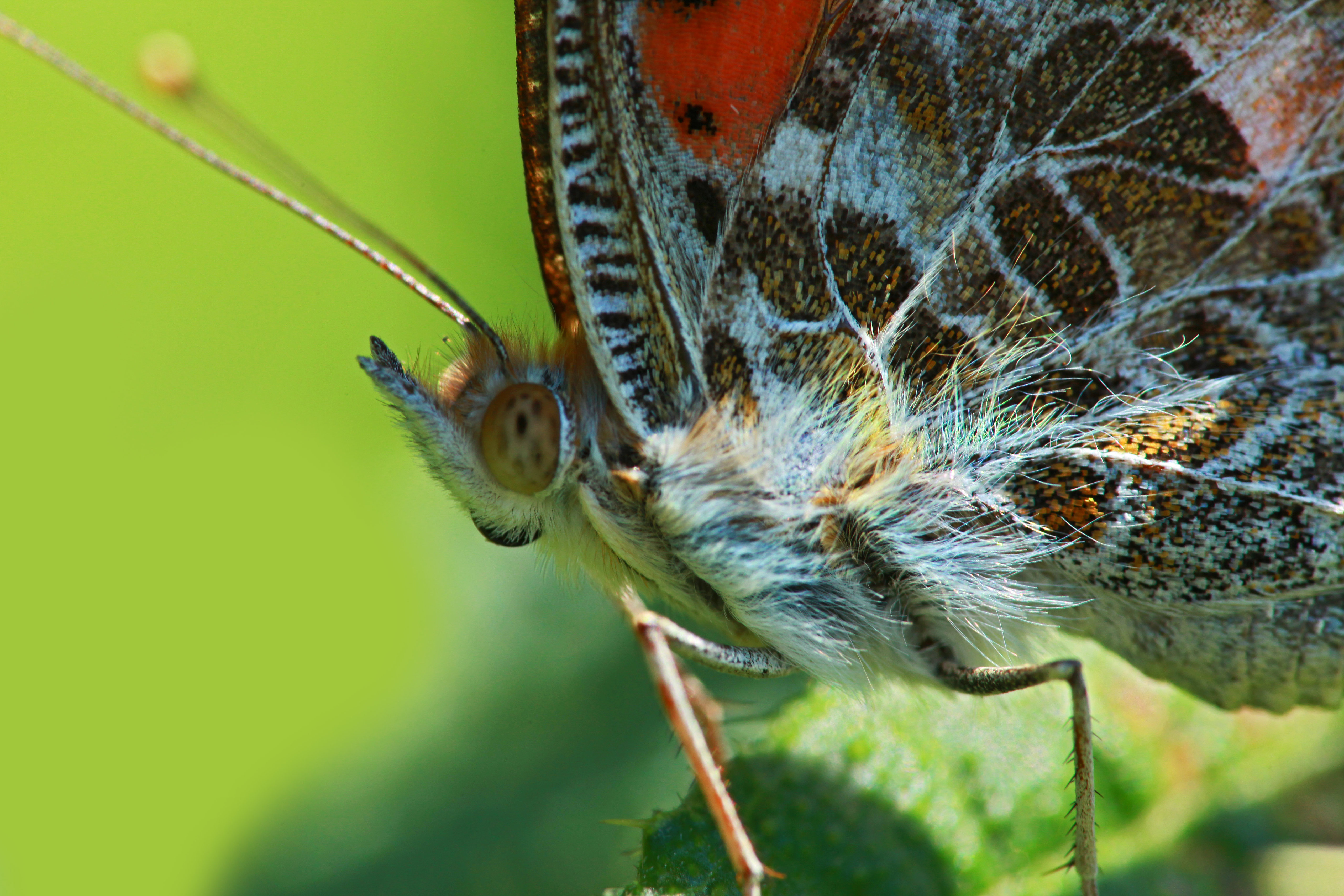
A Witness to Continents: The Enduring Charm of the Painted Lady:
The painted lady, with its vibrant patterns and an unparalleled spirit of adventure, stands as a testament to the power of migration and adaptation in the insect world. Its tireless journeys across continents connect diverse ecosystems and inspire wonder. Encountering this global wanderer, whether in a garden or a remote field, is a profound reminder of the interconnectedness of life and the boundless spirit of exploration that defines the natural world.
To read the rest of my Lepidoptera Life Cycles series, click HERE.
Discover more from
Subscribe to get the latest posts sent to your email.
 davethebugguy.org