

In the realm of ecological conservation, few organizations champion the cause of invertebrates with the dedication and expertise of the Xerces Society. Their latest offering, “100 Plants To Feed The Monarch,” is not merely a book; it’s a vital resource, a call to action, and a beautifully presented guide for anyone passionate about supporting the iconic monarch butterfly. This book is an absolute triumph, brimming with practical knowledge, stunning visuals, and an inspiring message that empowers readers to make a tangible difference.
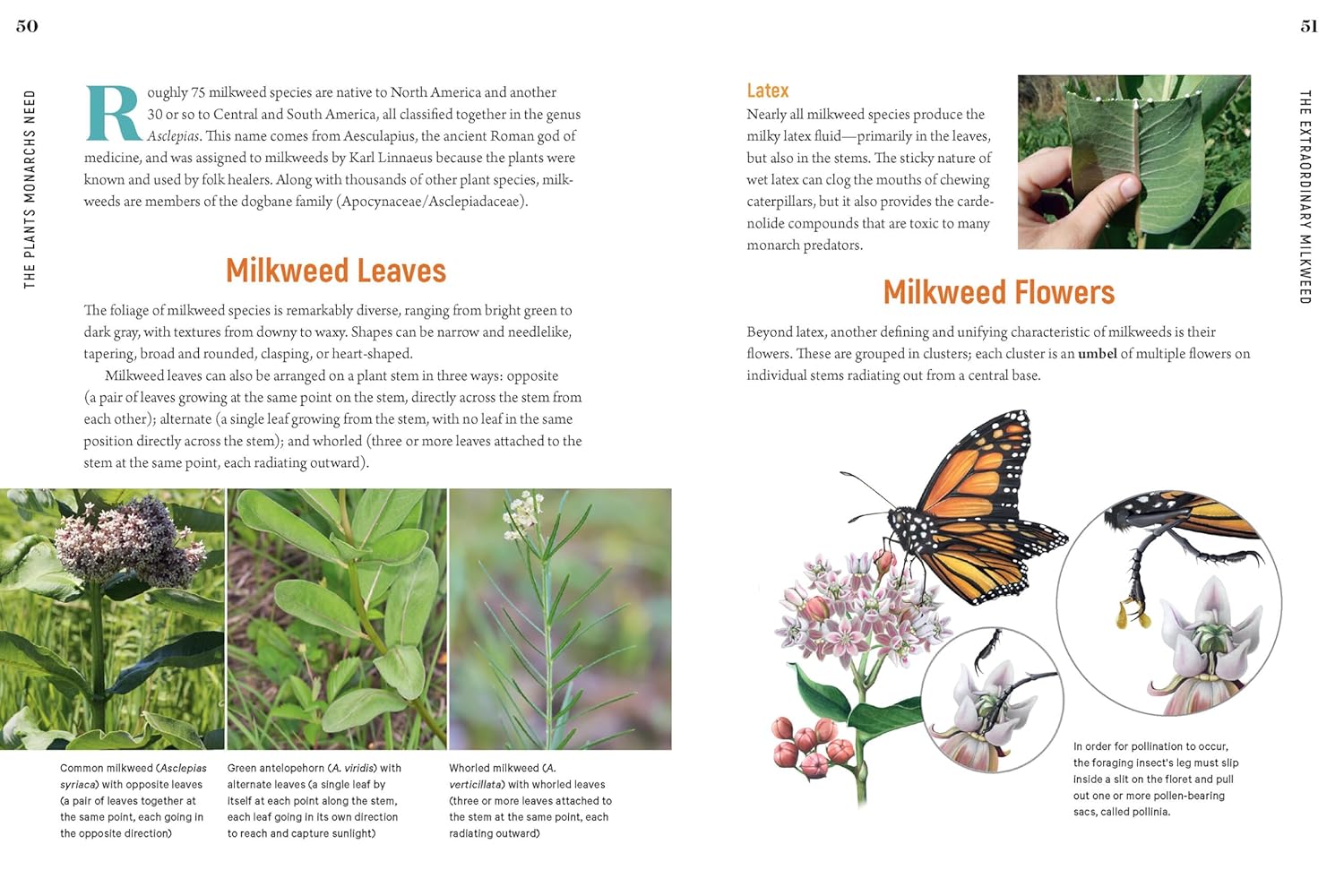
From the moment you open its pages, the book impresses with its clarity and comprehensive approach. It goes far beyond simply listing plants; it delves into the intricate relationship between monarchs and their host and nectar plants, explaining the “why” behind each recommendation. The introduction provides an excellent overview of monarch biology, their migratory patterns, and the critical threats they face, setting a crucial context for the plant selections that follow. This foundational knowledge is presented in an accessible, engaging manner, making complex ecological concepts understandable for both seasoned gardeners and newcomers to conservation.

The core of the book, the “100 Plants” section, is meticulously organized and incredibly user-friendly. Each plant profile is a treasure trove of information, featuring:
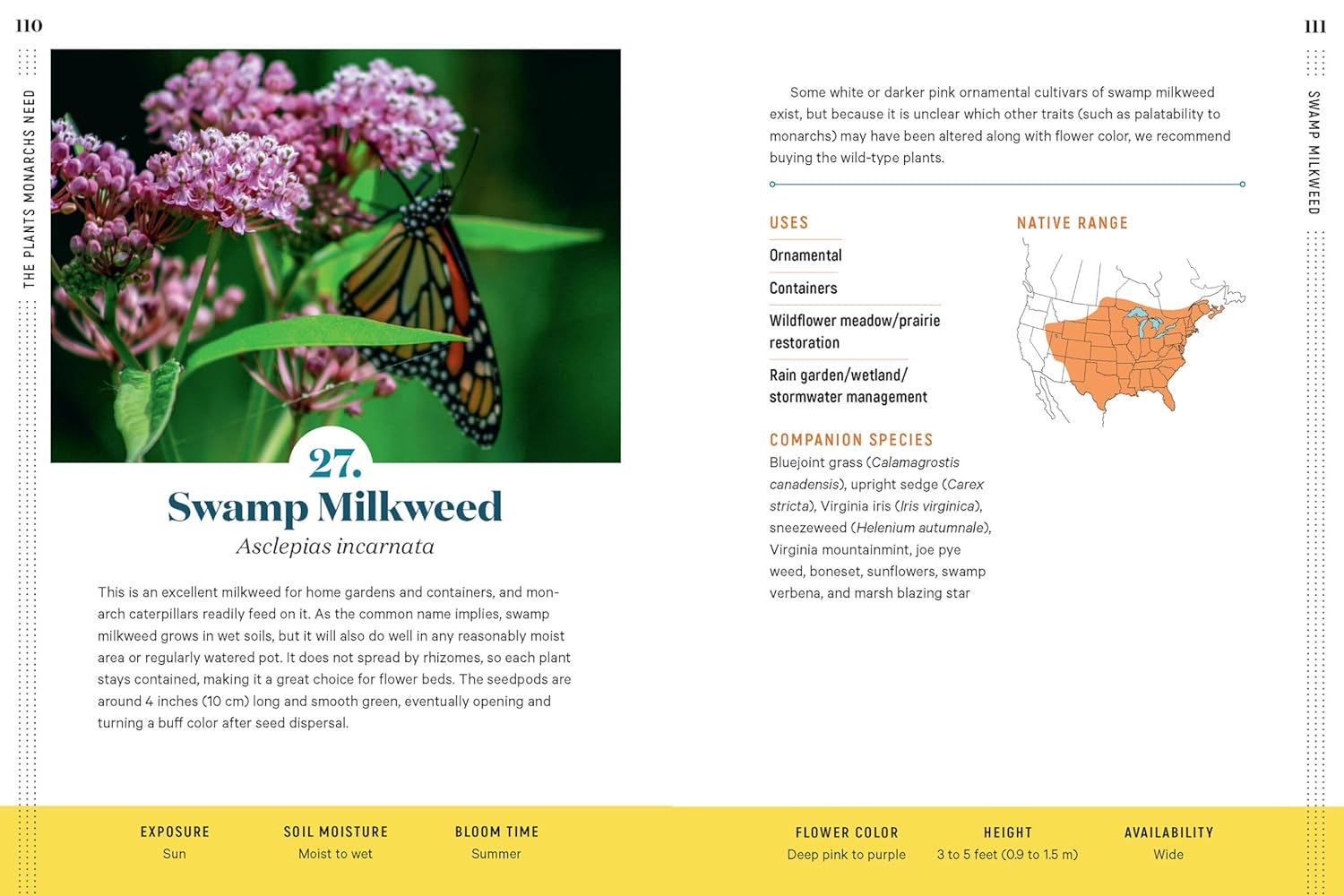
- Vibrant Photography: High-quality images showcase each plant, often with monarchs or other pollinators interacting with them, providing both identification cues and visual inspiration.
- Detailed Descriptions: Beyond basic botanical facts, the descriptions include preferred growing conditions (sun, soil, moisture), bloom times, mature size, and regional suitability.
- Monarch-Specific Value: Crucially, the book highlights whether a plant serves as a host for monarch caterpillars, a nectar source for adult monarchs, or both, along with notes on its attractiveness to other pollinators.
- Cultivation Tips: Practical advice on planting, care, and propagation ensures that readers can successfully incorporate these species into their landscapes.
- Regional Considerations: The Xerces Society’s deep understanding of North American ecosystems shines through, with careful attention paid to the varying needs and native ranges of plants across different regions. This is invaluable, as planting regionally appropriate species is paramount for ecological success.
What truly elevates “100 Plants To Feed The Monarch” is its empowering tone. It doesn’t just present problems; it offers concrete, actionable solutions. The Xerces Society understands that every garden, no matter its size, can become a vital stepping stone in creating a connected network of monarch habitats. The book inspires confidence, assuring readers that their efforts, no matter how small, contribute significantly to the broader conservation effort.
Beyond the plant profiles, the book includes invaluable sections on designing monarch-friendly gardens, managing pests without harming beneficial insects, sourcing native plants, and engaging with community science initiatives. These supplementary chapters transform the book from a mere plant guide into a holistic manual for creating thriving pollinator habitats.
In conclusion, “100 Plants To Feed The Monarch” is an indispensable addition to the library of anyone who cares about biodiversity, gardening, or simply the magic of the monarch butterfly. It is a testament to the Xerces Society’s commitment to conservation through education and practical guidance. Beautifully designed, meticulously researched, and profoundly inspiring, this book is a powerful tool for transforming landscapes into havens for monarchs and countless other pollinators. It’s more than a guide; it’s an invitation to participate in a vital conservation story, one plant at a time.
To read more of my Buggy Book Reviews, click here. To add this amazing book to your buggy library, click on the cover below.

Discover more from
Subscribe to get the latest posts sent to your email.
 davethebugguy.org