
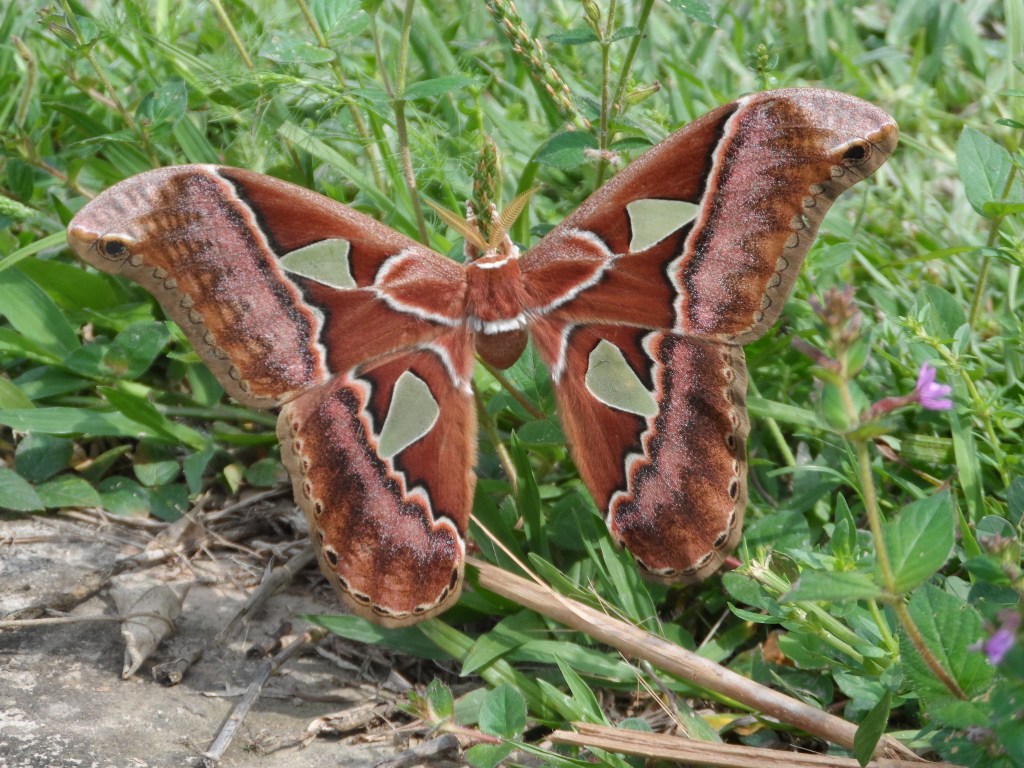
Soaring with a deliberate, fluttering flight through the tropical and subtropical forests of South America, Rothschildia speculifer (often recognized as a subspecies of Rothschildia aurota) is a magnificent giant silkmoth. As a prominent member of the Rothschildia genus, it is distinguished by its impressive size and the striking, clear, window-like patches on its wings, which lend it a unique, almost translucent beauty.
A Glimpse Through Glass: Imposing Size and Distinctive Features:
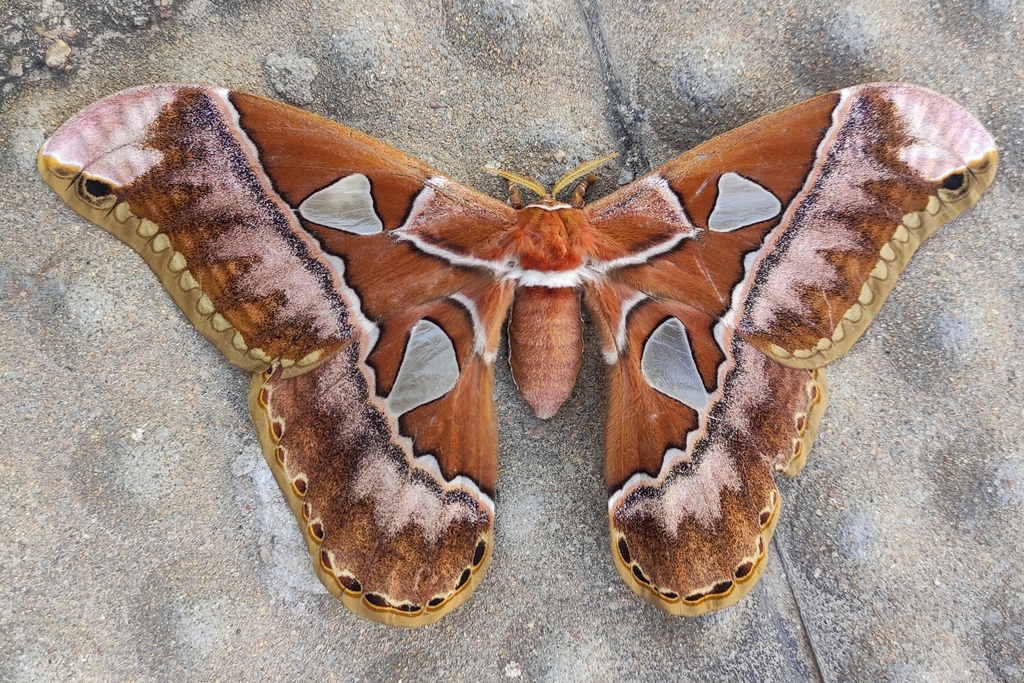
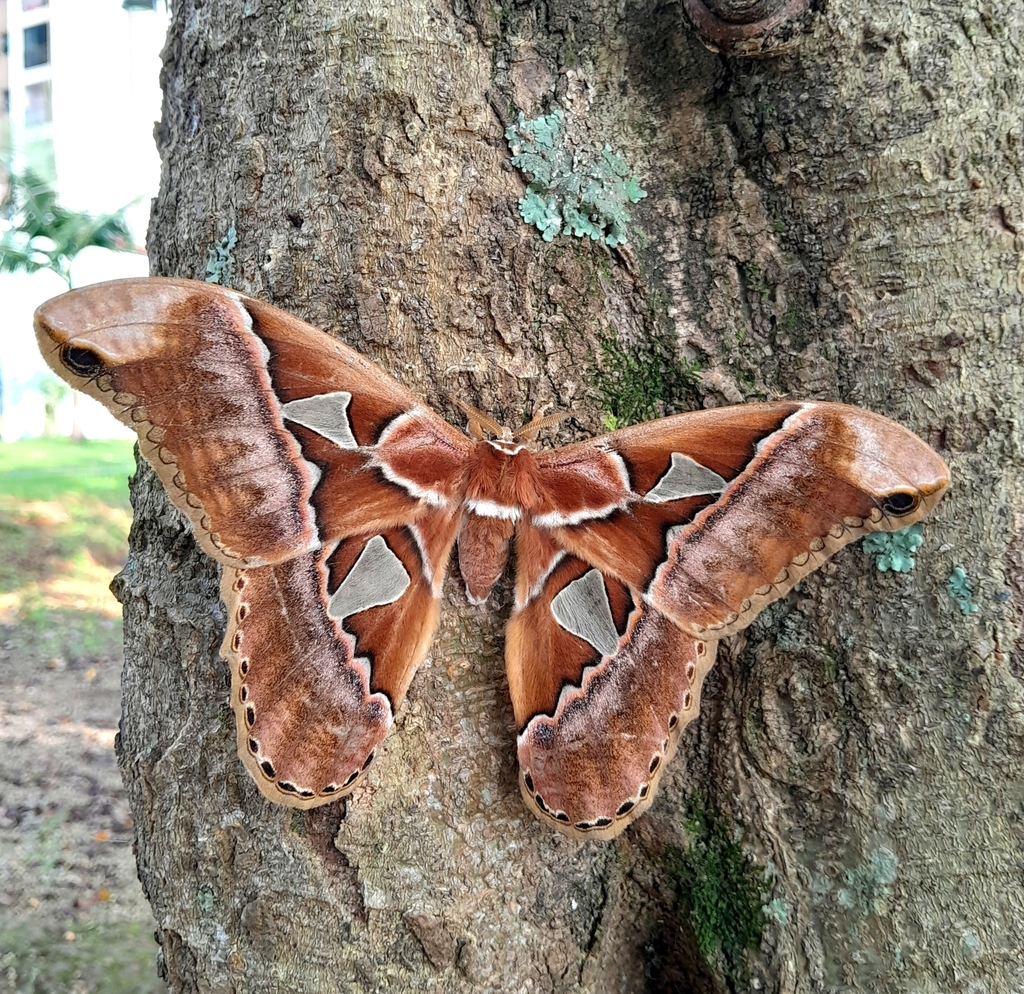
Rothschildia speculifer is a large moth, typically boasting a wingspan ranging from 4.7 to 6.7 inches (12 to 17 cm), placing it among the larger silkmoths of the Neotropics. Its wings are a rich tapestry of reddish-browns, olive tones, and sometimes a purplish hue, intricately patterned with darker lines and bands. The most characteristic features are the large, triangular or somewhat teardrop-shaped transparent “windows” (specula) found on all four wings. These clear, scale-less areas resemble panes of glass, allowing light to pass through and helping to break up the moth’s outline, potentially aiding in camouflage.
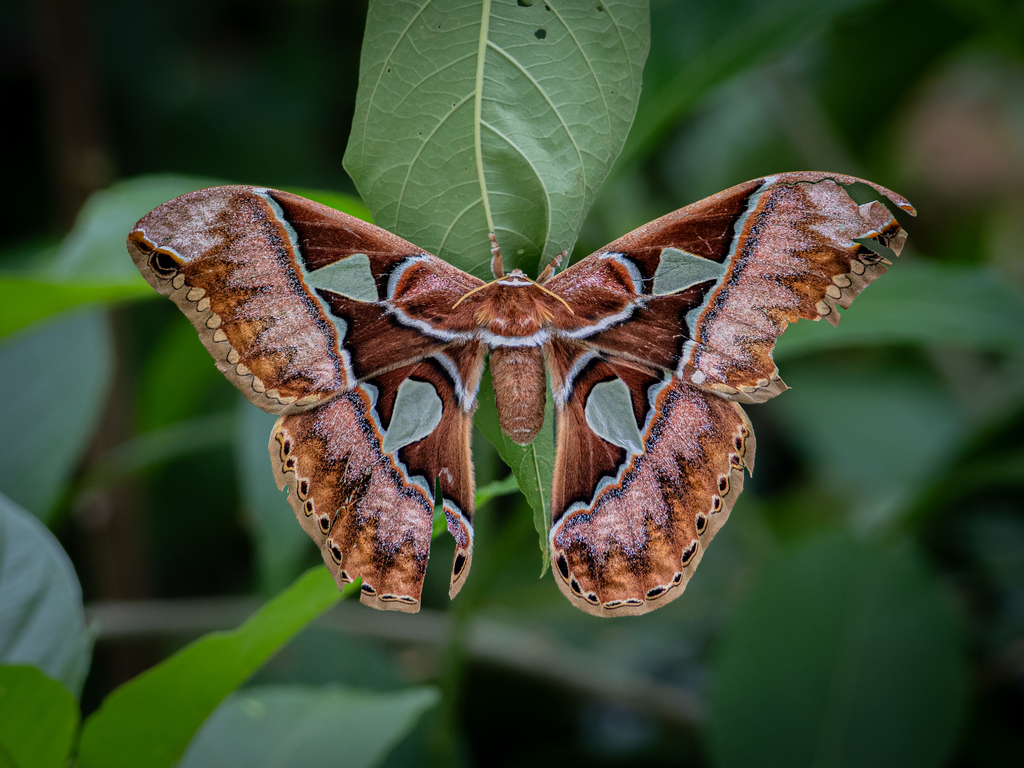
The wings often feature a prominent, irregular, and narrow white or pale postmedian band that may pass through or touch the clear spots. The body is stout and densely covered in reddish-brown, fuzzy hairs. Males possess larger, more feathery antennae than females, designed for detecting the subtle pheromone trails released by females, often from a considerable distance. The subtle differences in markings distinguish it from other Rothschildia species, which can often look quite similar.
Distribution and Habitat: A Tropical and Subtropical Range:
Rothschildia speculifer is found in tropical and subtropical regions of South America, with records from southeastern Brazil, northern Argentina, Uruguay, Paraguay, and parts of Bolivia and Peru. It inhabits various humid environments, including rainforests, deciduous forests, and thorn scrub. These moths are typically encountered in the lowlands and foothills, from sea level up to around 1400 meters (and sometimes higher for other Rothschildia forms). They prefer areas with abundant host plants and often rest among foliage during the day, becoming active at night.
Lifestyle and Behavior: Nocturnal Courtship and Non-Feeding Adults:
Like other members of the Saturniidae family, Rothschildia speculifer is primarily nocturnal. Adults emerge in the early evening, and their brief lives are entirely dedicated to reproduction. Adult Rothschildia moths, including speculifera, have vestigial (non-functional) mouthparts and do not feed during their adult stage. They rely solely on the energy reserves accumulated during their larval phase. Their lifespan is typically very short, usually only 7 to 14 days, just long enough to find a mate, pair, and lay eggs.
Males are highly active in their search for females, flying at night and following pheromone trails. Females, once mated, begin laying eggs the following evening, often in rows on the host plants.
Life Cycle: Voracious Larvae and Protective Cocoons:
The life cycle of Rothschildia speculifer consists of four distinct stages, with significant growth occurring during the larval phase.
- Egg: Females lay clusters of small, spherical eggs, typically on the underside of host plant leaves.
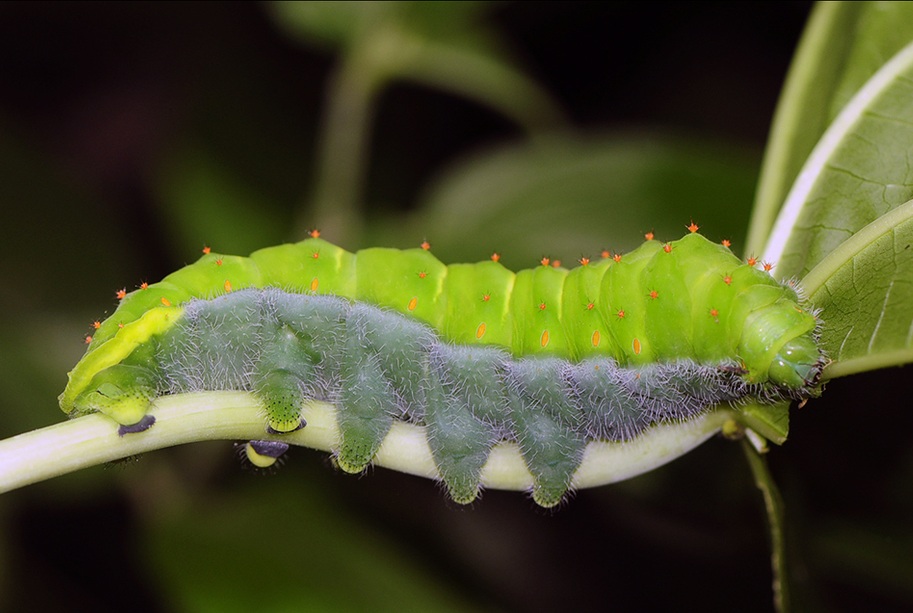
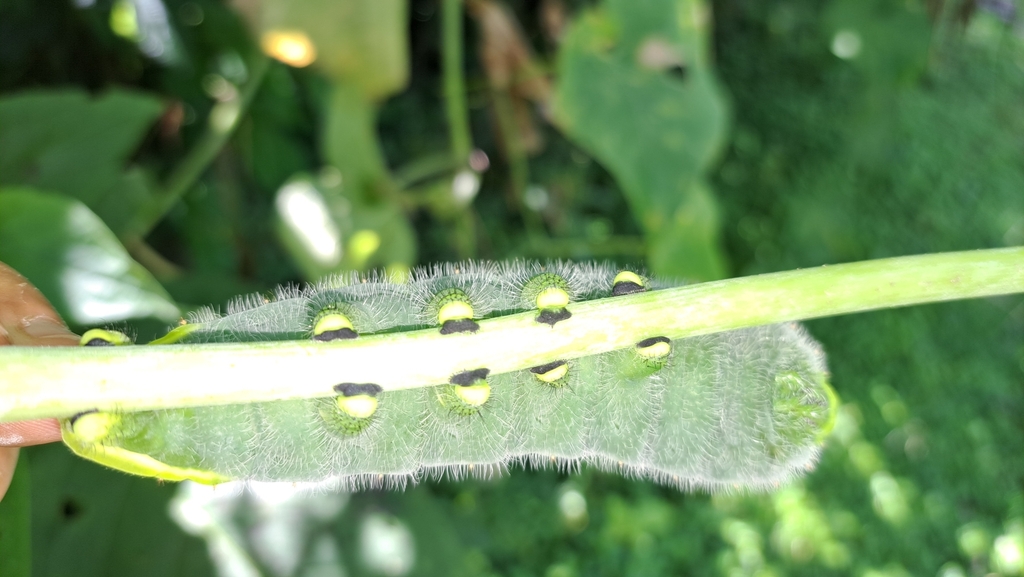
- Larva (Caterpillar): Young caterpillars may feed in groups before becoming more solitary in later instars. They are large, robust, and typically green with some countershading, helping them blend with foliage. They feed voraciously on a wide range of host plants, accumulating the energy reserves needed for the entire adult life.
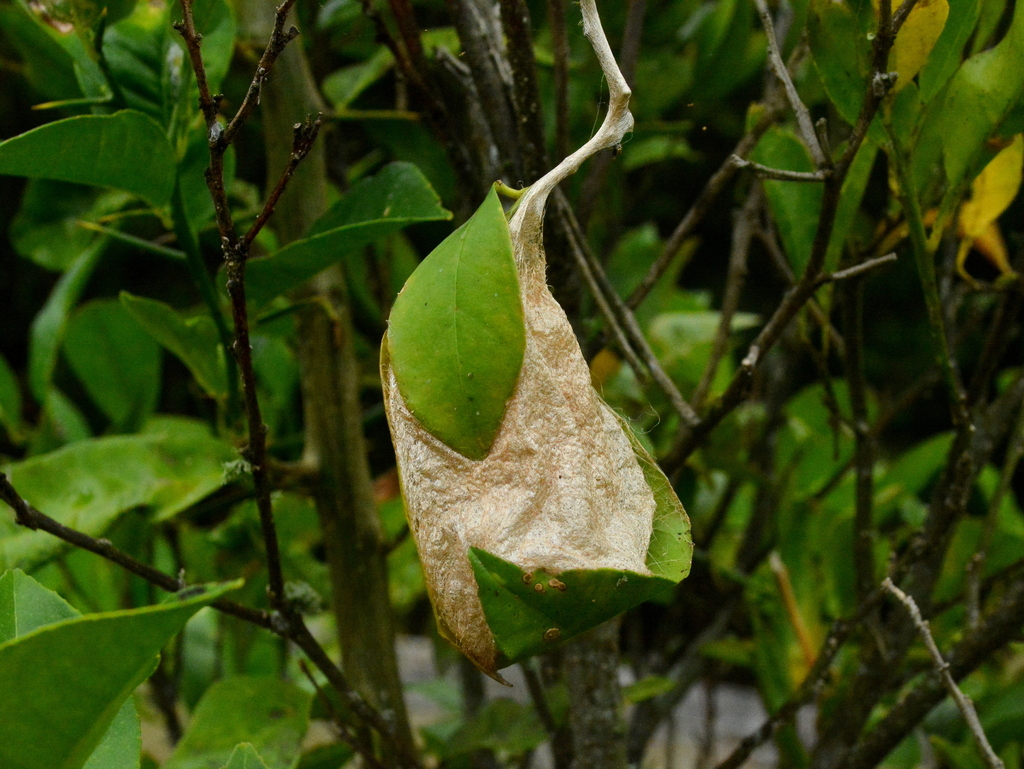
- Pupa (Chrysalis): Once fully grown, the larva spins a dense, pendant cocoon firmly attached to a twig with a strong silken extension. These cocoons can be somewhat “sloppy” or irregular in appearance, often resembling a messy cluster of dead leaves, providing excellent camouflage against predators like birds and monkeys. The pupal stage can last several months, sometimes entering a diapause (dormancy) during cooler or drier seasons.
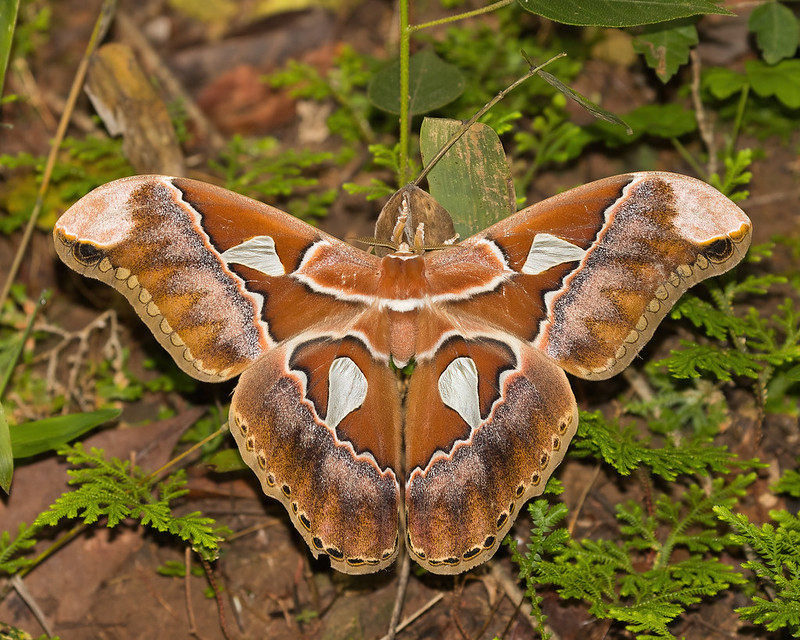
- Adult: The magnificent adult moth emerges from the chrysalis, ready for its brief but vital reproductive flight. Rothschildia speculifer typically has two to three broods per year in tropical locations, sometimes with short periods of diapause in cocoons during dry seasons.
Host Plants and Lack of Adult Feeding: A Diverse Larval Diet:
The caterpillars of Rothschildia speculifer are polyphagous, feeding on a wide variety of native and introduced trees and shrubs across several plant families. This broad dietary preference contributes to their adaptability. Documented host plants for Rothschildia species, and likely for speculifera, include:
- Citrus species (Citrus spp.)
- Ash (Fraxinus spp.)
- Willow (Salix spp.)
- Peach (Prunus persica)
- Acacia (Acacia spp.)
- Privet (Ligustrum spp.)
- Guava (Psidium guajava)
As previously noted, the adult moths do not feed, subsisting entirely on reserves built during the larval stage.
Behavior and Ecology: Camouflage and Pheromonal Communication:
The behavior of Rothschildia speculifer is largely driven by its nocturnal nature and the imperative to reproduce within a short adult lifespan. Males are highly attuned to female pheromones, which allows them to locate mates even at very low population densities. During the day, adults typically rest with their wings spread or partially folded, relying on their cryptic coloration and the transparent wing windows to blend into their surroundings and avoid detection by predators. The “windows” are thought to break up their form, making them less recognizable as a moth.
Conservation Status and Threats: Generally Secure, but Habitat Vulnerable:
Rothschildia speculifer is generally considered a secure species globally, though its density in the wild is often very low (sometimes less than one individual per square kilometer). Like many large, forest-dwelling moths, however, it faces threats from habitat loss and fragmentation due to deforestation for agriculture, ranching, and urban development across its South American range. While the species as a whole is not typically listed as endangered, localized populations can be vulnerable. Protecting its diverse forest and scrubland habitats is crucial for its continued existence.
A Radiant Mystery of the Neotropics: The Enduring Allure of Rothschildia speculifer
Rothschildia speculifer, the South American Mirror Moth, with its impressive size, striking transparent wing windows, and a life entirely devoted to a fleeting moment of reproduction, stands as a captivating symbol of the biodiversity of the Neotropics. Its beauty, combined with its mysterious nocturnal habits and its fundamental ecological role, reminds us of the delicate and awe-inspiring complexity of the natural world. Encountering this magnificent creature is a truly memorable experience, a glimpse into the hidden wonders of the South American forests. Sources
To check out my other blogs on Saturniidae, click HERE!
Discover more from
Subscribe to get the latest posts sent to your email.
 davethebugguy.org