
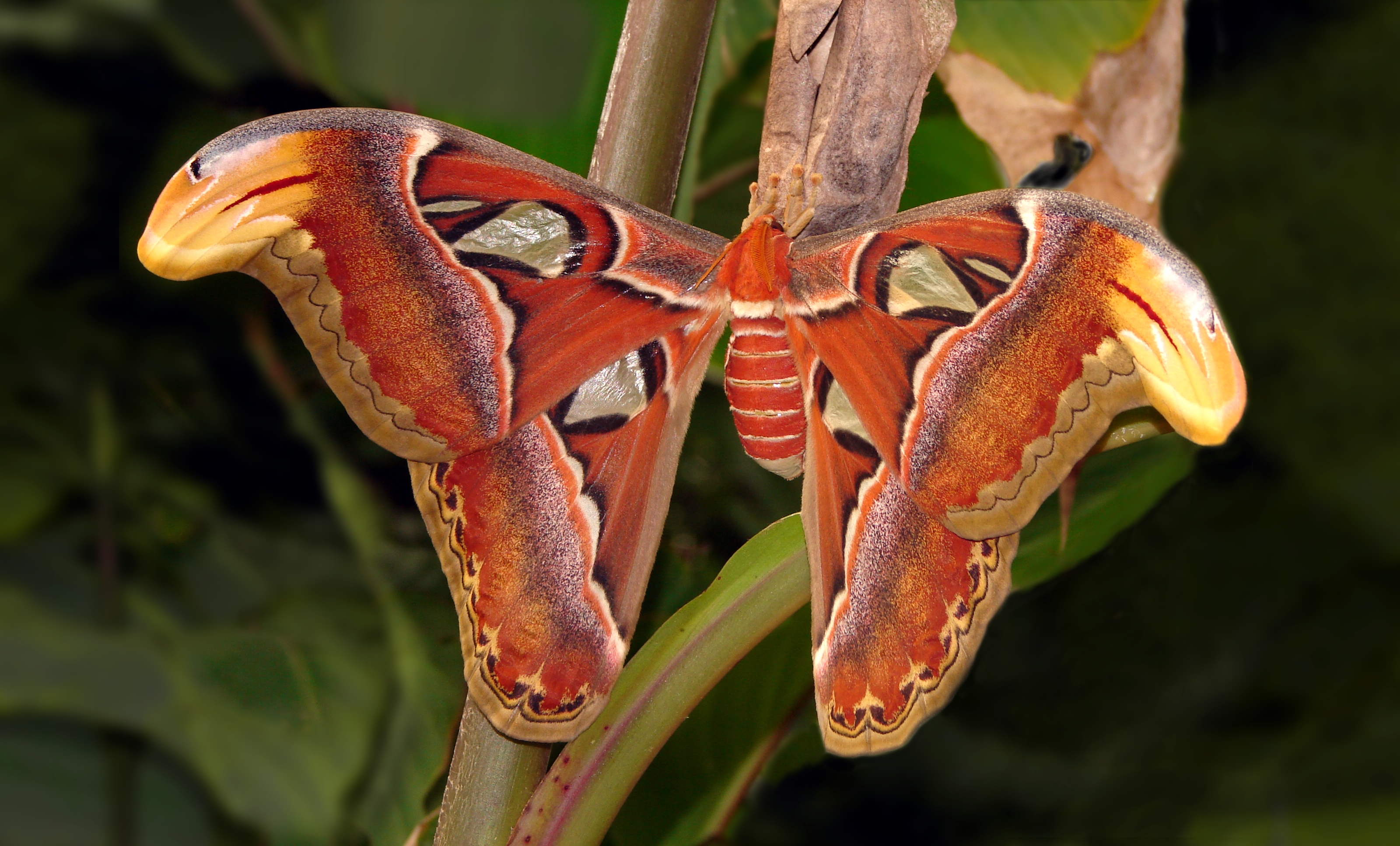
From the lush, humid rainforests and subtropical woodlands of Southeast Asia emerges a creature of almost mythical proportions – Attacus atlas, universally known as the Atlas Moth. As one of the largest moths in the world, its sheer size, intricate wing patterns resembling maps, and unique life cycle centered around a brief, non-feeding adult stage, make it an awe-inspiring wonder of the insect kingdom.
A Colossal Canvas: Imposing Size and Ornately Patterned Wings:
The Atlas Moth truly lives up to its name, boasting an astonishing wingspan that can reach up to 10 to 12 inches (25 to 30 cm), making it one of the largest lepidopterans by wing surface area. Its wings are a magnificent tapestry of earthy reds, browns, and creams, often highlighted with bold black lines and intricate patterns. Each forewing features a distinctive, snake-head-like tip, which is thought to mimic the head of a cobra, a clever deterrent to potential predators.
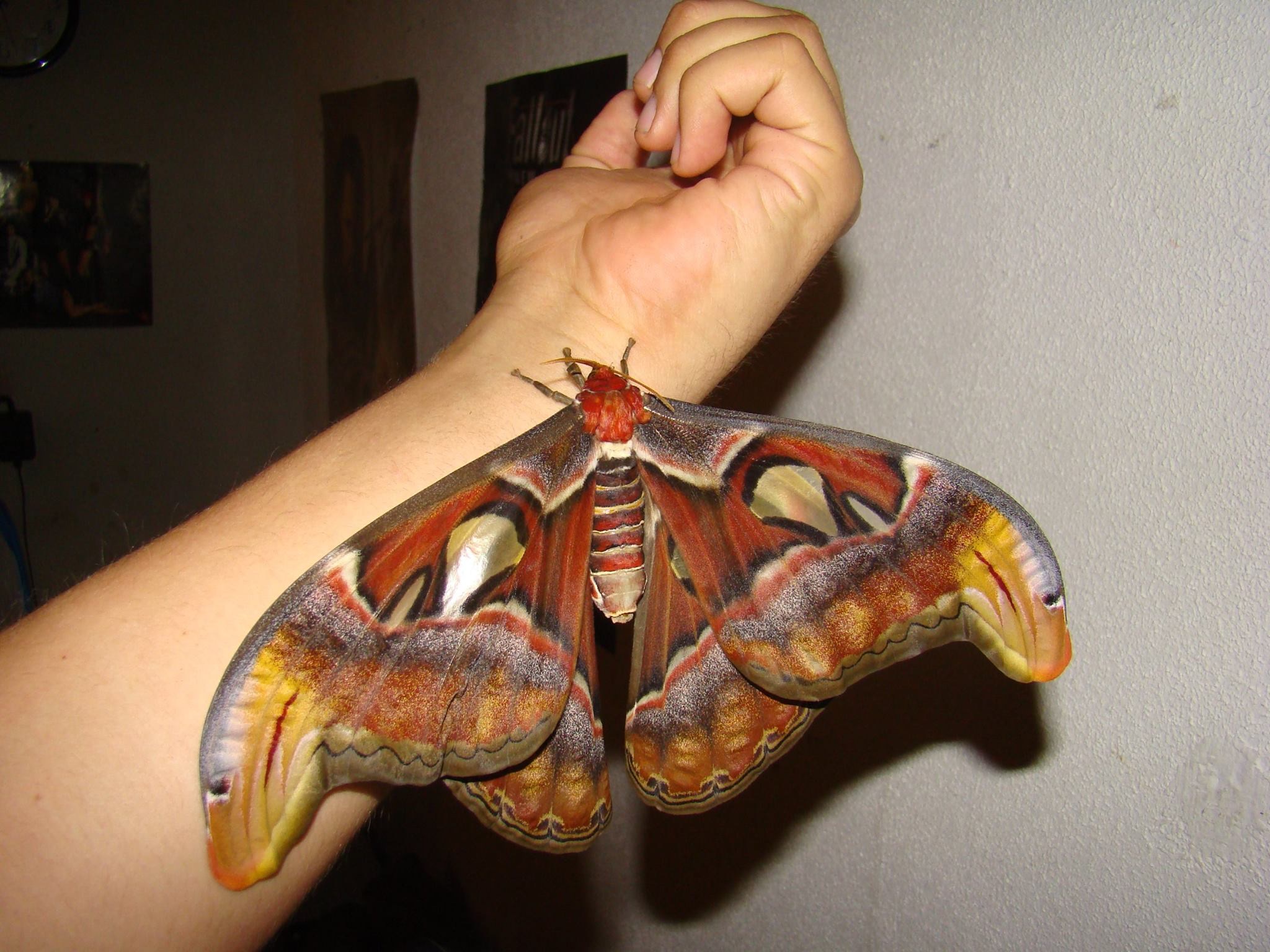
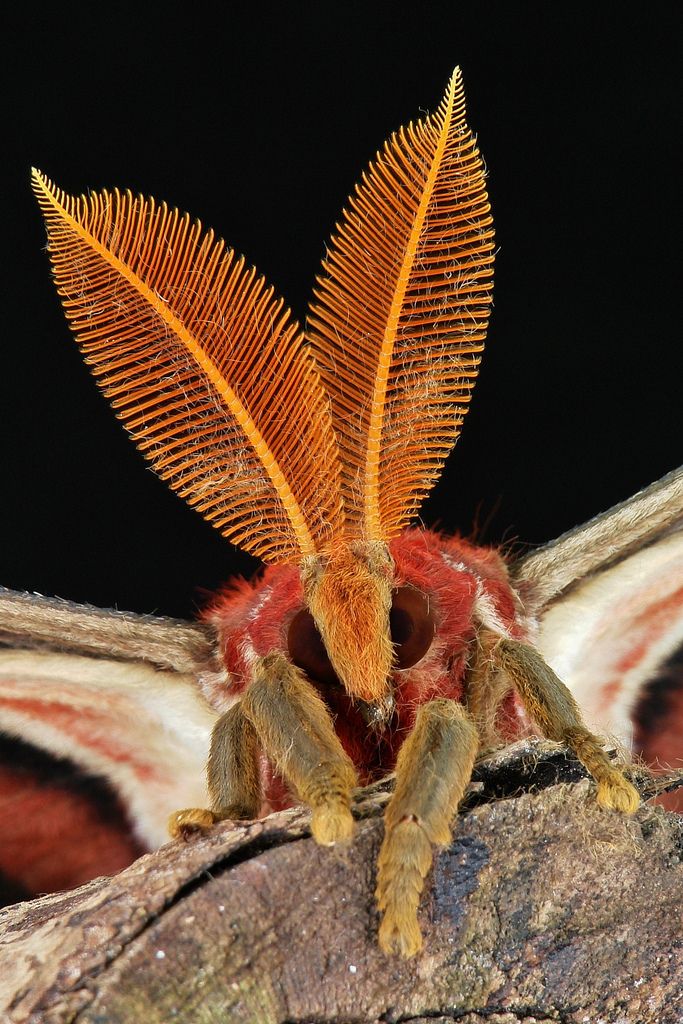
The most striking features are the large, triangular, translucent “windows” on all four wings. These clear, scale-less areas resemble panes of glass and are outlined by broad, black, and often white or yellowish borders, creating a mesmerizing effect. The body of the moth is stout and covered in dense, fuzzy, reddish-brown hairs. Males can be distinguished by their larger, more feathery antennae, used to detect the faint pheromone trails of females.
Distribution and Habitat: A Jewel of Tropical Asia:
The Atlas Moth is native to the tropical and subtropical forests of Southeast Asia. Its range extends across the Malay Archipelago, including parts of India, China, Malaysia, Thailand, Indonesia, and the Philippines. It thrives in humid environments, typically inhabiting rainforests, secondary forests, and shrublands, particularly in areas with dense vegetation and its larval host plants. Its preference for high humidity and abundant foliage dictates its habitat choices.
Life Cycle: A Journey of Epic Growth and Fleeting Adulthood:
The life cycle of Attacus atlas is characterized by an impressively large and voracious larval stage, followed by a remarkably short adult life.
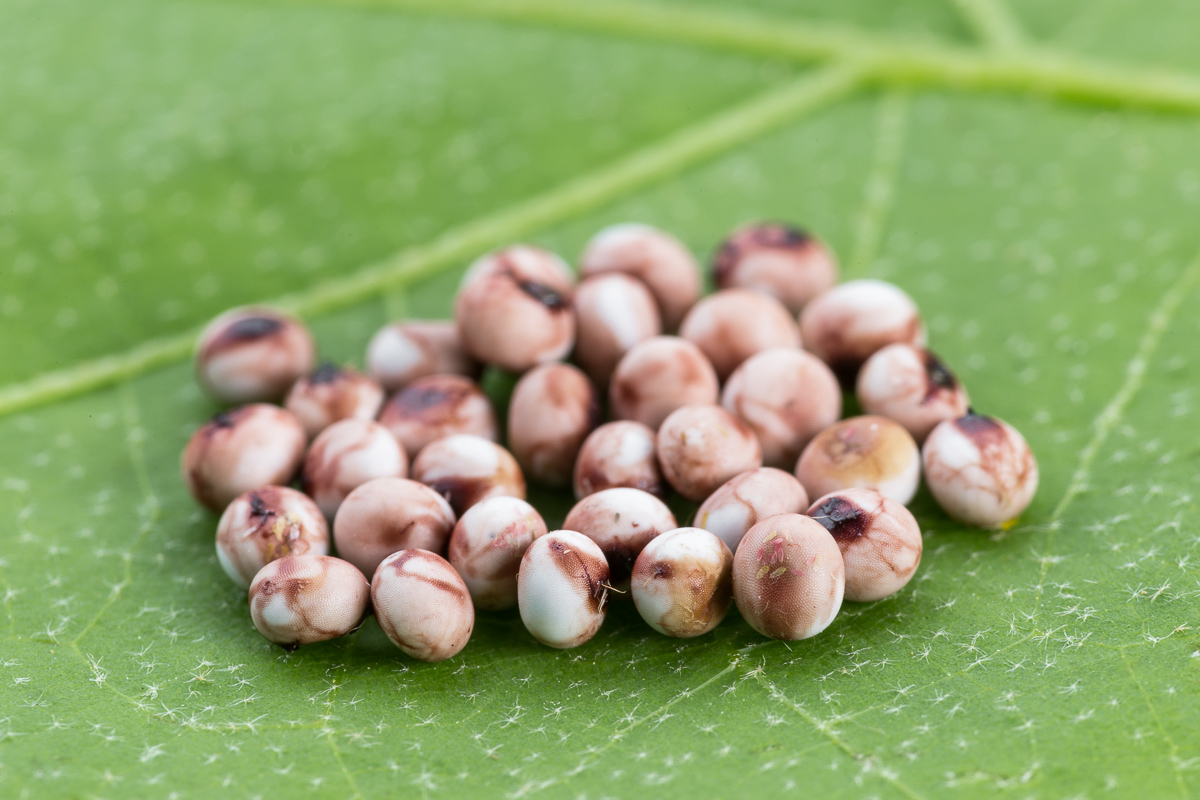
- Egg: Females lay small, spherical, pale grey or off-white eggs, usually singly or in small clusters, on the undersides of the leaves of their host plants.
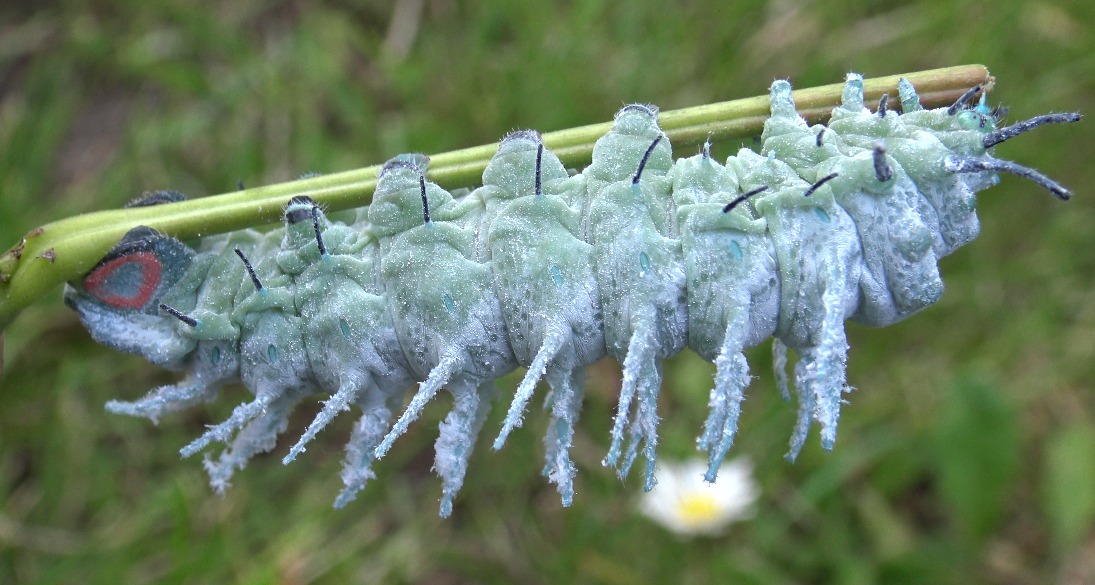
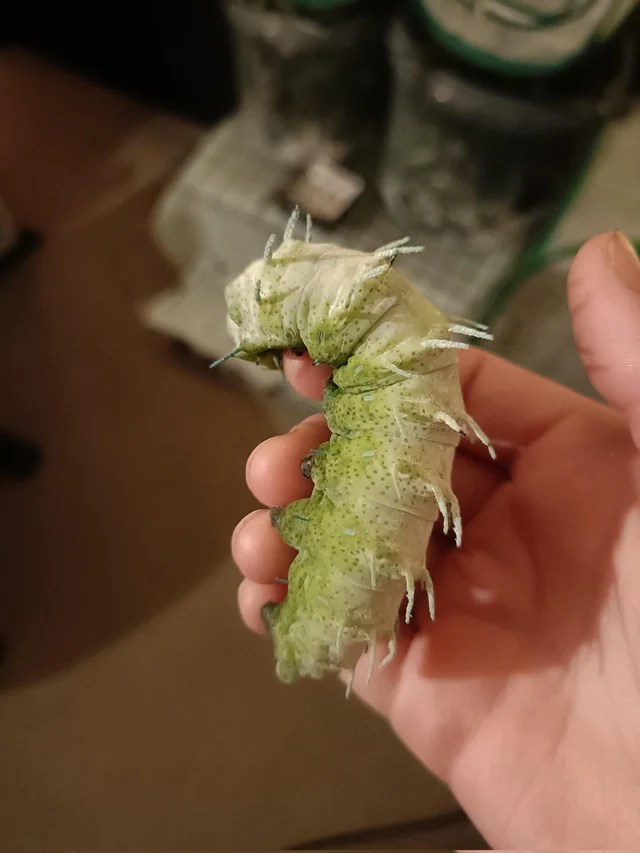
- Larva (Caterpillar): The caterpillars of the Atlas Moth are colossal, reaching lengths of up to 4-5 inches (10-12 cm) when fully grown. They are typically a pale blue-green or turquoise, covered in a powdery white waxy secretion. Numerous fleshy, spiny tubercles (projections) dot their bodies, often tipped with orange or yellow. These large, robust larvae are voracious feeders, consuming vast quantities of foliage. When disturbed, they may retract their head and inflate the anterior segments, making them appear even larger.
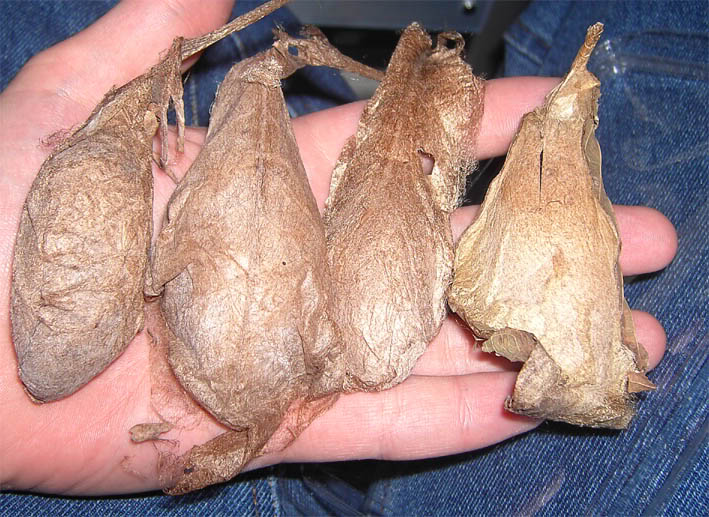
- Pupa (Chrysalis): Once fully grown, the larva spins a massive, ovoid, silken cocoon. Unlike the cocoons of commercial silk moths (like Bombyx mori), the Atlas Moth’s silk is broken into shorter strands, making it less suitable for continuous reeling, though it is still used in some regions for a coarse, wool-like “fagara” silk. The cocoon is typically a brown or silvery-tan color and is often spun among leaves or attached to a branch. The pupa within is a large, dark brown form.
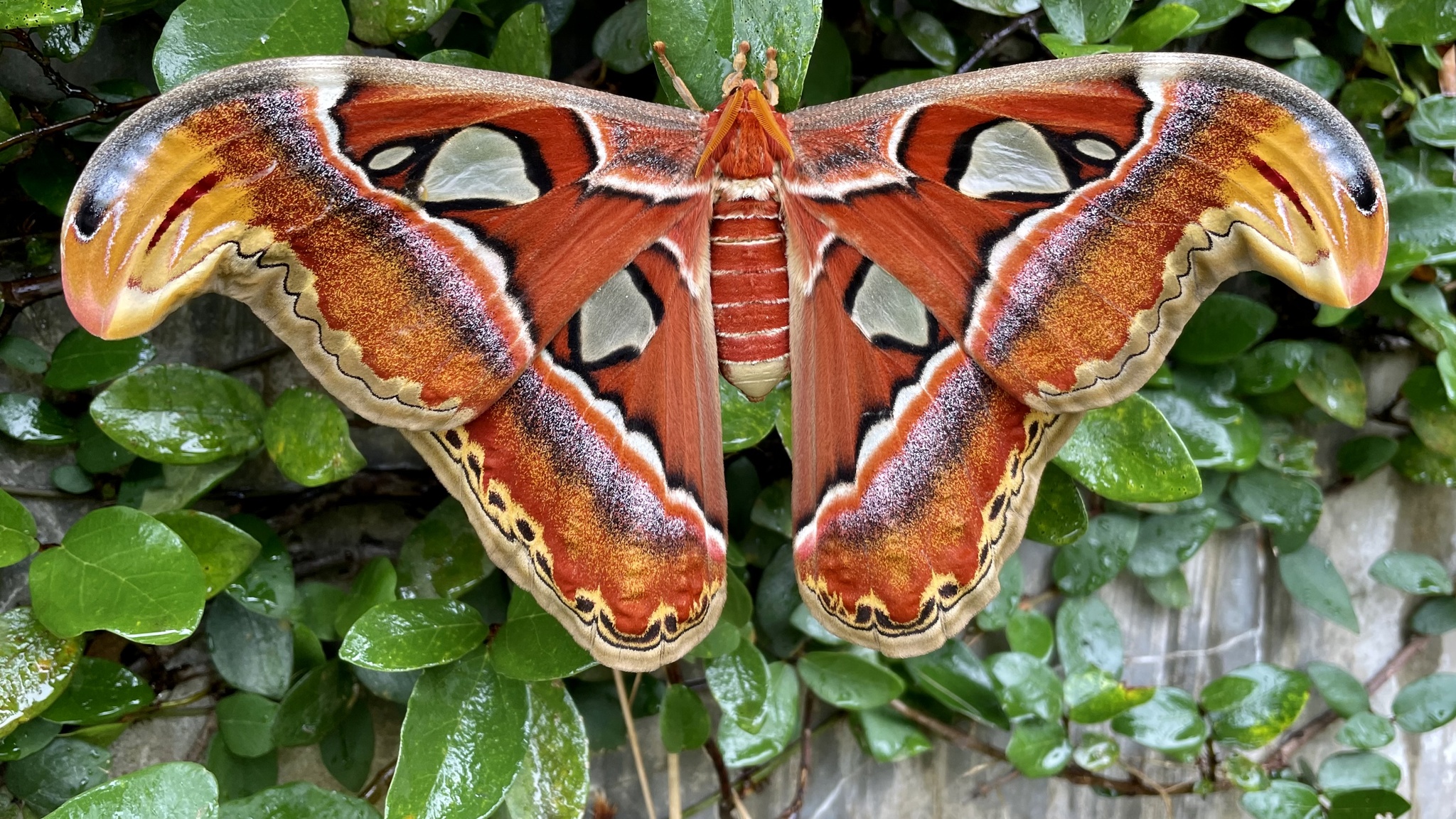
- Adult: The magnificent adult moth emerges from the cocoon. Uniquely among insects, the adult Atlas Moth has vestigial (non-functional) mouthparts and does not feed at all. Its sole purpose during its brief lifespan (typically 1-2 weeks) is to find a mate and reproduce, relying entirely on the fat reserves accumulated during its extensive larval stage. Males have highly sensitive antennae to detect the pheromones of females, sometimes from miles away.
Host Plants and Lack of Adult Feeding: A Diverse Larval Diet:
The caterpillars of the Atlas Moth are polyphagous, feeding on a wide variety of trees and shrubs found in their tropical habitats. Their broad diet includes members of several plant families. Common host plants include:
- Ailanthus (Ailanthus altissima)
- Citrus species (Citrus spp.)
- Cinnamon (Cinnamomum spp.)
- Guava (Psidium guajava)
- Evergreen Oak (Quercus ilex)
- Rubber Trees (Hevea brasiliensis)
- Willow (Salix spp.)
As mentioned, the adult Atlas Moth has no mouthparts and does not feed during its short adult life. This makes its impressive size even more remarkable, as it must complete all its growth and development in the larval stage.
Behavior and Ecology: Nocturnal Giants and Defensive Mimicry:
The Atlas Moth is primarily nocturnal, becoming active at dusk and flying throughout the night. Despite their enormous size, their flight can be surprisingly soft and fluttering. During the day, they typically rest with their wings spread, using their mottled coloration and “snake-head” wing tips for camouflage or to deter predators.
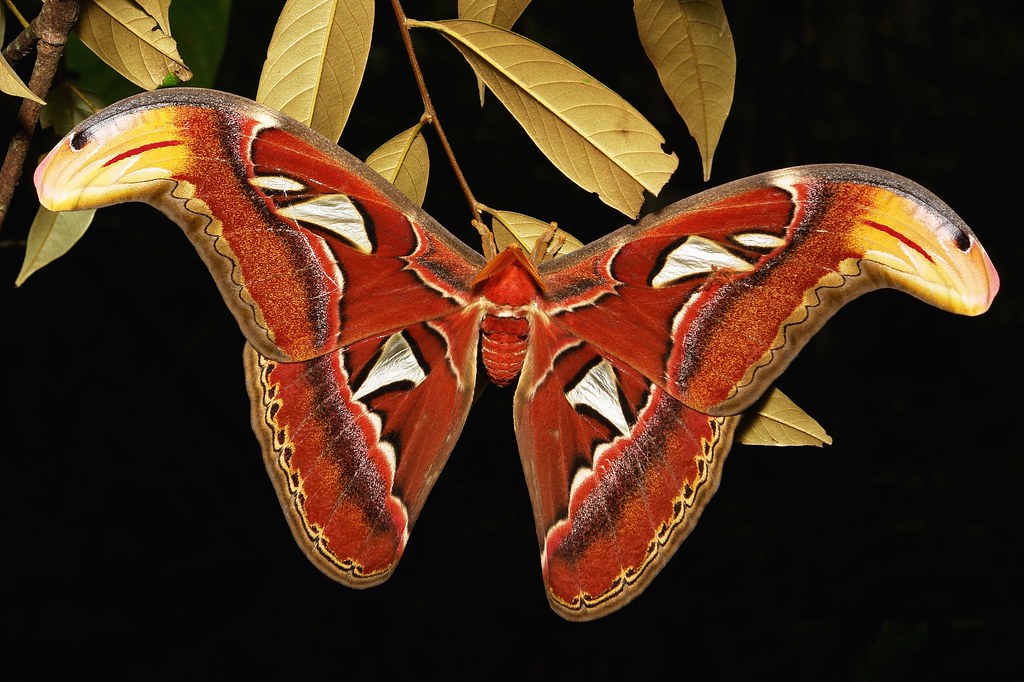
The sheer size of the caterpillar and its unique appearance, along with the “snake head” mimicry on the adult’s wings, serve as significant defense mechanisms against predators in their complex rainforest environment. The large cocoons also provide protection during the vulnerable pupal stage.
Conservation Status and Threats: Generally Secure, but Local Impacts:
The Atlas Moth is generally considered a common species within its native range and is not currently listed as endangered or threatened. Its wide distribution and polyphagous larval diet contribute to its resilience. However, local populations can be impacted by habitat loss and fragmentation due to deforestation, agricultural expansion, and unsustainable collection for the exotic pet or art trade. Maintaining large, intact tracts of tropical forest is crucial for the long-term survival of this magnificent species.
A Living Legend: The Unforgettable Atlas Moth:
The Atlas Moth, with its colossal wingspan, intricate patterns, and a life story culminating in a non-feeding adult stage, is a true marvel of the insect world. Its presence evokes a sense of ancient mystery and grand scale, embodying the rich biodiversity of Asian rainforests. Encountering this living legend, whether in its native habitat or through the fascination of enthusiasts, is an unforgettable experience, a powerful reminder of the incredible and diverse beauty that silently thrives across our planet.
Discover more from
Subscribe to get the latest posts sent to your email.
 davethebugguy.org