

Flitting with graceful, almost regal movements through woodlands, forest edges, and along shady roadsides across much of North America is Limenitis arthemis, a butterfly renowned for its striking beauty and fascinating regional variations. This single species embodies a spectrum of appearances, showcasing a classic mimicry complex in some regions and a bold elegance in others, making it a captivating subject for butterfly enthusiasts and a testament to evolutionary adaptation.
A Kaleidoscope of Forms: Appearance and Regional Variations:
Limenitis arthemis exhibits remarkable polymorphism, meaning it has several distinct forms across its range, primarily driven by geographic location and the presence of other species it mimics. The overall wingspan ranges from 2.5 to 3.5 inches (6.4 to 8.9 cm).
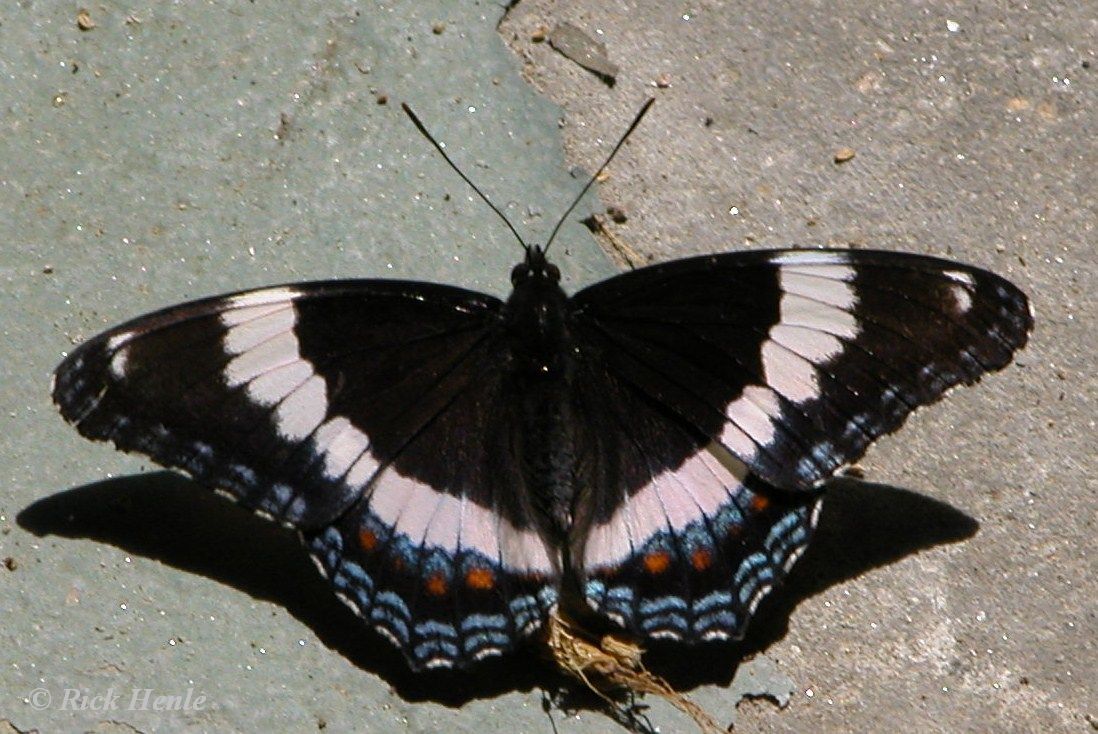
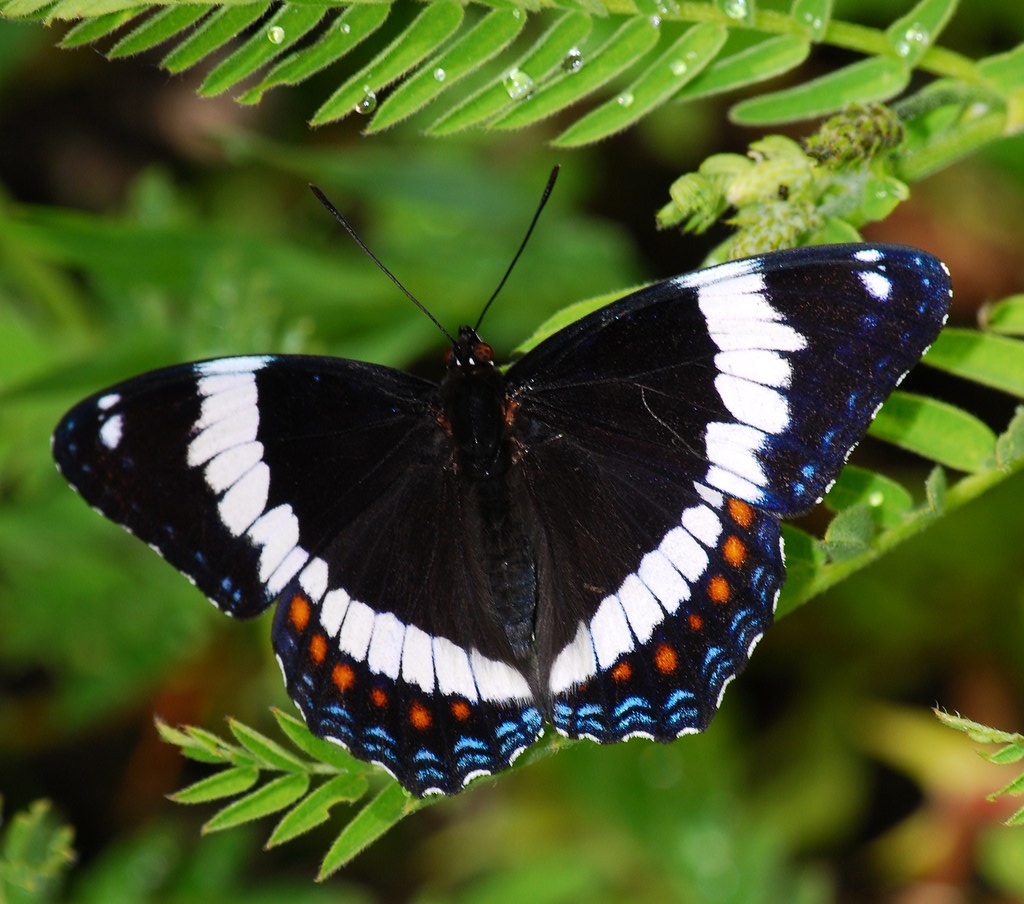
- Banded Form (Limenitis arthemis arthemis): Found primarily in the northern parts of its range (Canada, New England, Great Lakes region), this form is often called the White Admiral. It features velvety black or deep bluish-black wings with a prominent, broad white band crossing both the forewings and hindwings. The hindwings also display a submarginal row of iridescent blue spots and a few reddish-orange spots, especially on the underside.
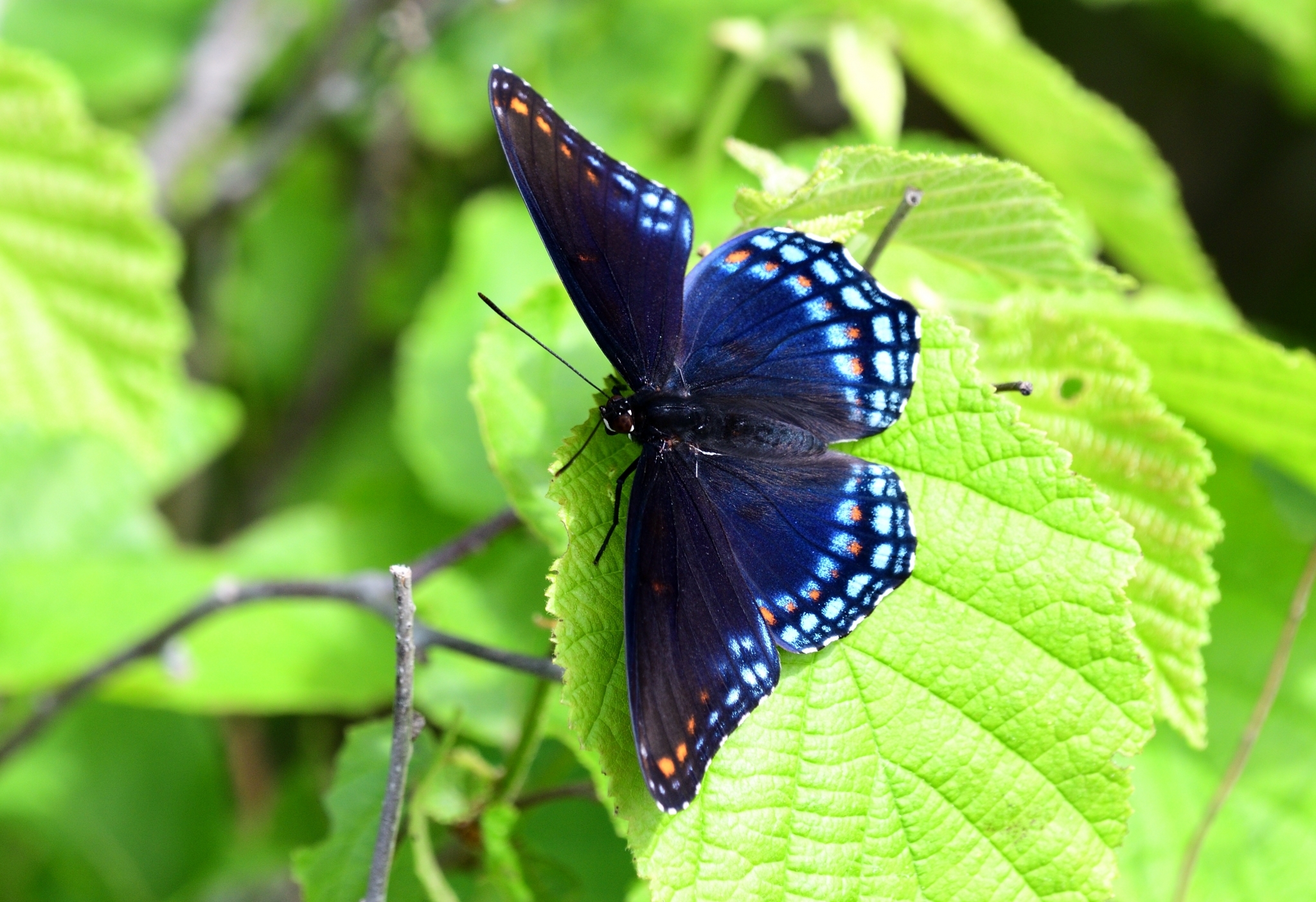
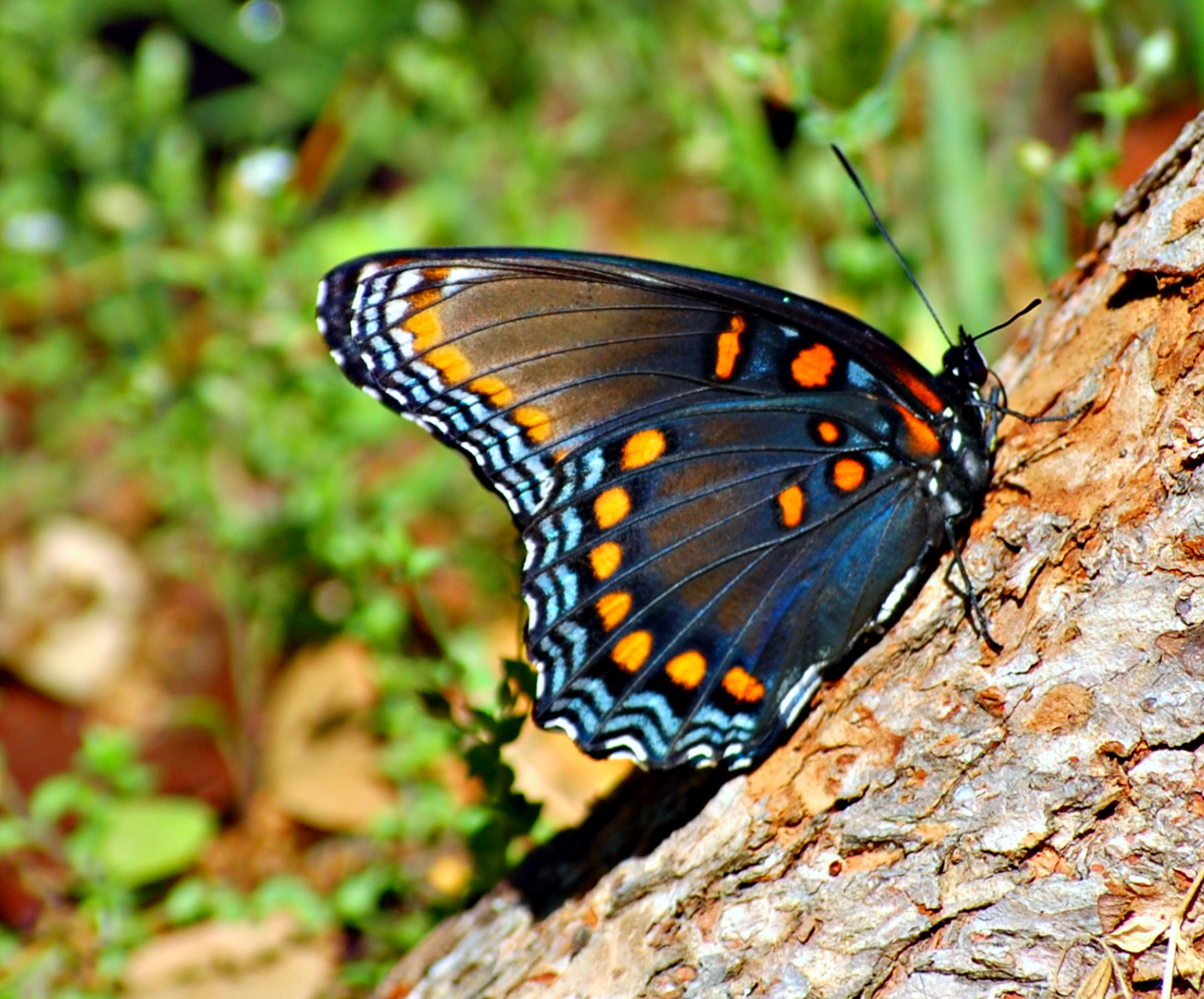
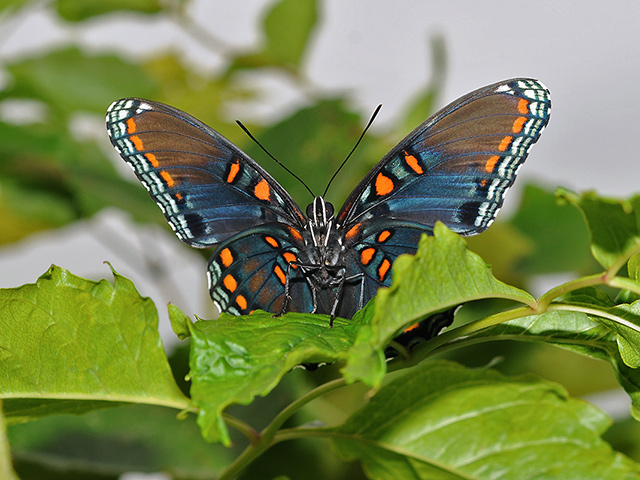
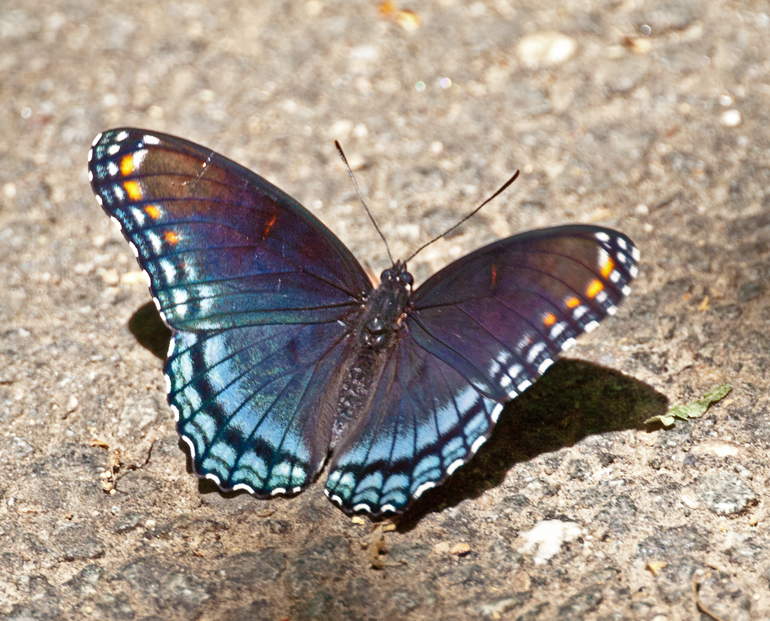
- Mimic Form (Limenitis arthemis astyanax): Prevalent in the eastern and southern United States, this form is known as the Red-spotted Purple. It lacks the prominent white band of its northern counterpart. Its wings are a rich, iridescent blue-green or deep purple-blue over a black background, particularly on the hindwings, reminiscent of the Pipevine Swallowtail. The hindwings also have a distinct submarginal row of iridescent blue spots and a few bright orange-red spots on the ventral side.
Both forms typically have a row of small white spots near the apex of the forewings. The underside of the wings is complex, with a mix of black, brown, and blue, highlighted by white bands (in the banded form) and prominent orange-red spots, particularly on the hindwings.

Distribution and Habitat: A Broad and Varied Realm:
Limenitis arthemis boasts a wide distribution across North America, extending from southern Canada southward through the eastern United States, and westward through the Great Plains. Its presence also reaches into parts of the southwestern U.S. and Mexico. This adaptable butterfly thrives in a variety of habitats, including deciduous and mixed forests, woodland edges, clearings, stream valleys, shaded roadsides, and suburban areas where its larval host plants are found. The specific habitat within its range often correlates with the prevalent form.
Life Cycle: From Camouflaged Larva to Diverse Adult:
The life cycle of Limenitis arthemis follows the typical four stages of complete metamorphosis: egg, larva (caterpillar), pupa (chrysalis), and adult.
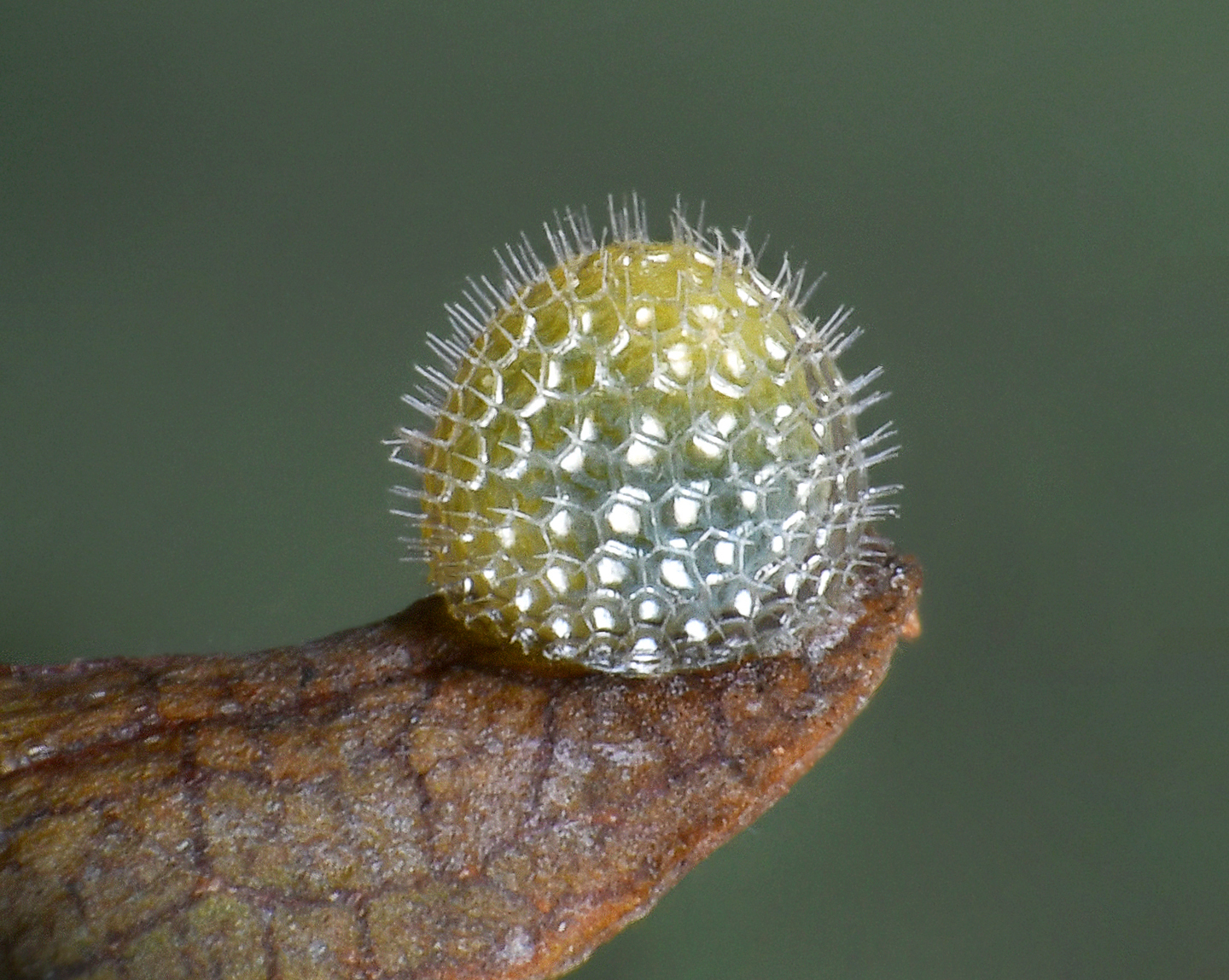
- Egg: Females lay small, greenish-yellow, spherical eggs singly on the tips or edges of leaves of its host plants.
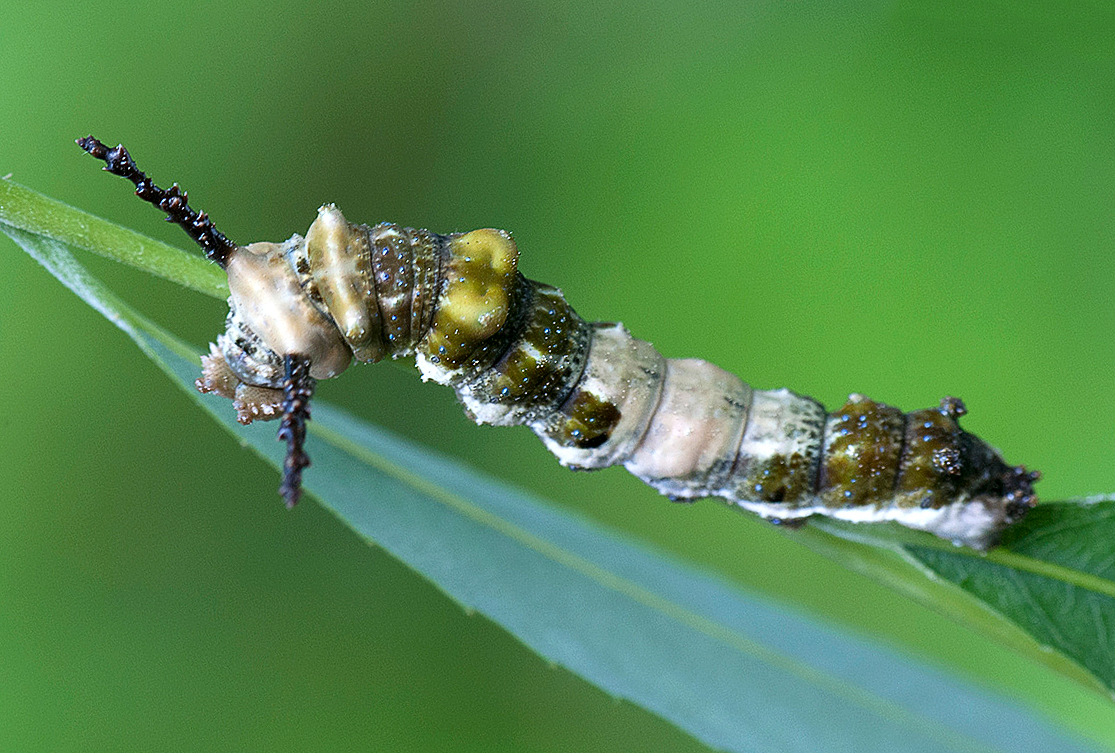
- Larva (Caterpillar): The caterpillars are masters of camouflage, evolving to resemble bird droppings. They are typically mottled green, brown, and white, with irregular bumps and textures. They possess two prominent, spiny projections (scoli) on their thoracic segments, further enhancing their cryptic appearance. They feed on the leaves of their host plants and construct a small “leaf shelter” by rolling a leaf edge over and securing it with silk. They are also known to create a “frass chain” (a string of fecal pellets) extending from their resting spot, which is thought to lure predators away from their hiding place.

- Pupa (Chrysalis): Once fully grown, the larva forms a chrysalis that is also cryptically colored (brown or green) and irregularly shaped, often resembling a dead leaf or a piece of bark. It is suspended by a silken pad and cremaster from a twig or stem. This stage can last from weeks to months, depending on temperature, and is the overwintering stage in northern parts of its range.
- Adult: The elegant adult butterfly emerges from the chrysalis. After allowing its wings to dry and harden, Limenitis arthemis takes flight, ready to feed on nutrients and reproduce. In most parts of its range, there are two or three broods per year, with adults seen from late spring through early fall.
Host Plants and Nectar Sources: A Broad Palate for Larvae:
The caterpillars of Limenitis arthemis are polyphagous, feeding on a wide variety of deciduous trees and shrubs, particularly those in the willow and rose families. Common host plants include:
- Willows (Salix species)
- Poplars (Populus species)
- Aspens (Populus species)
- Birch (Betula species)
- Cherry and Plum (Prunus species)
- Oak (Quercus species)
- Hawthorn (Crataegus species)
Adult butterflies feed on a variety of food sources, including flower nectar (though less frequently than many other butterflies), tree sap, rotting fruit, carrion, and animal droppings. This opportunistic feeding behavior allows them to thrive in diverse environments where traditional nectar sources might be scarce.
Behavior and Ecology: Mimicry and Territorial Displays:
The behavior of Limenitis arthemis is heavily influenced by its polymorphic forms.
- The Red-spotted Purple form (astyanax) is a classic Batesian mimic of the highly toxic Pipevine Swallowtail (Battus philenor). Its iridescent blue-black coloration closely resembles that of the Pipevine Swallowtail, allowing it to gain protection from predators who have learned to avoid the unpalatable model.
- The White Admiral form (arthemis), found in areas where the Pipevine Swallowtail is absent or rare, does not mimic it. Its prominent white band may act as a flash deterrent to predators or serve as a signal for conspecifics.
Males of both forms are territorial, perching on vegetation or bare ground in sunny areas and aggressively chasing away other butterflies or intruders. Their flight is often described as a graceful glide, interspersed with rapid wing beats.
Conservation Status and Threats: A Resilient and Widespread Species:
Limenitis arthemis is currently considered a common and widespread species throughout most of its range and is not facing significant conservation threats. Its adaptability to various forest and woodland edge habitats, its broad diet of common host plants, and its ability to produce multiple generations contribute to its resilience. However, localized habitat loss, fragmentation, and the widespread use of pesticides can still impact populations. Maintaining healthy, diverse woodland ecosystems is crucial for its continued success.
A Living Masterpiece of Evolution: The Enduring Allure of Limenitis arthemis
The Limenitis arthemis butterfly, with its stunning beauty, remarkable polymorphic forms, and intricate ecological roles in mimicry, stands as a testament to the dynamic forces of evolution. Whether admired as the elegant White Admiral or the dazzling Red-spotted Purple, this species offers a compelling glimpse into the complex strategies that allow life to thrive. Encountering its graceful flight is always a rewarding experience, a vivid reminder of the endless wonders hidden within our natural world.
Discover more from
Subscribe to get the latest posts sent to your email.
 davethebugguy.org