
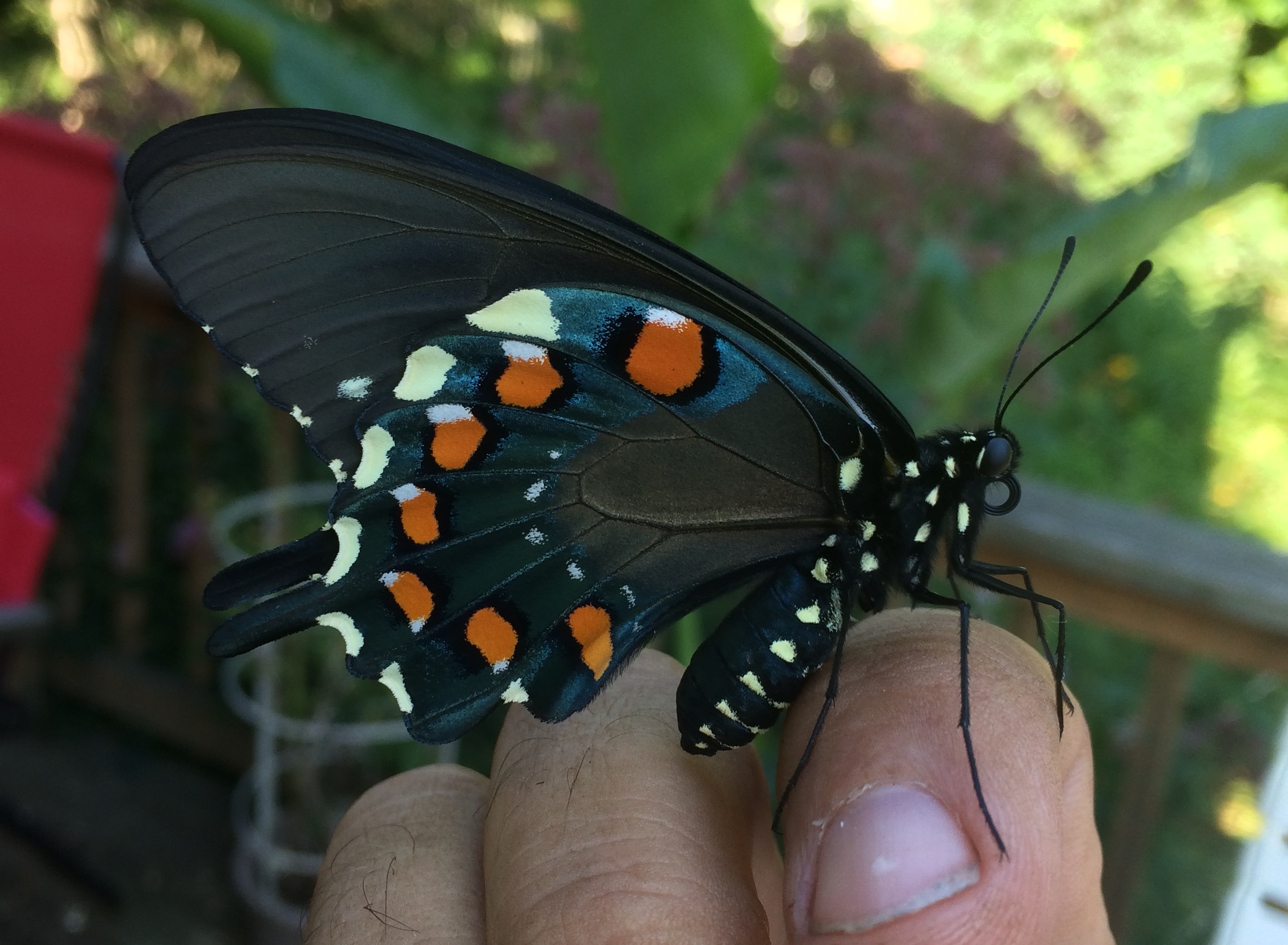
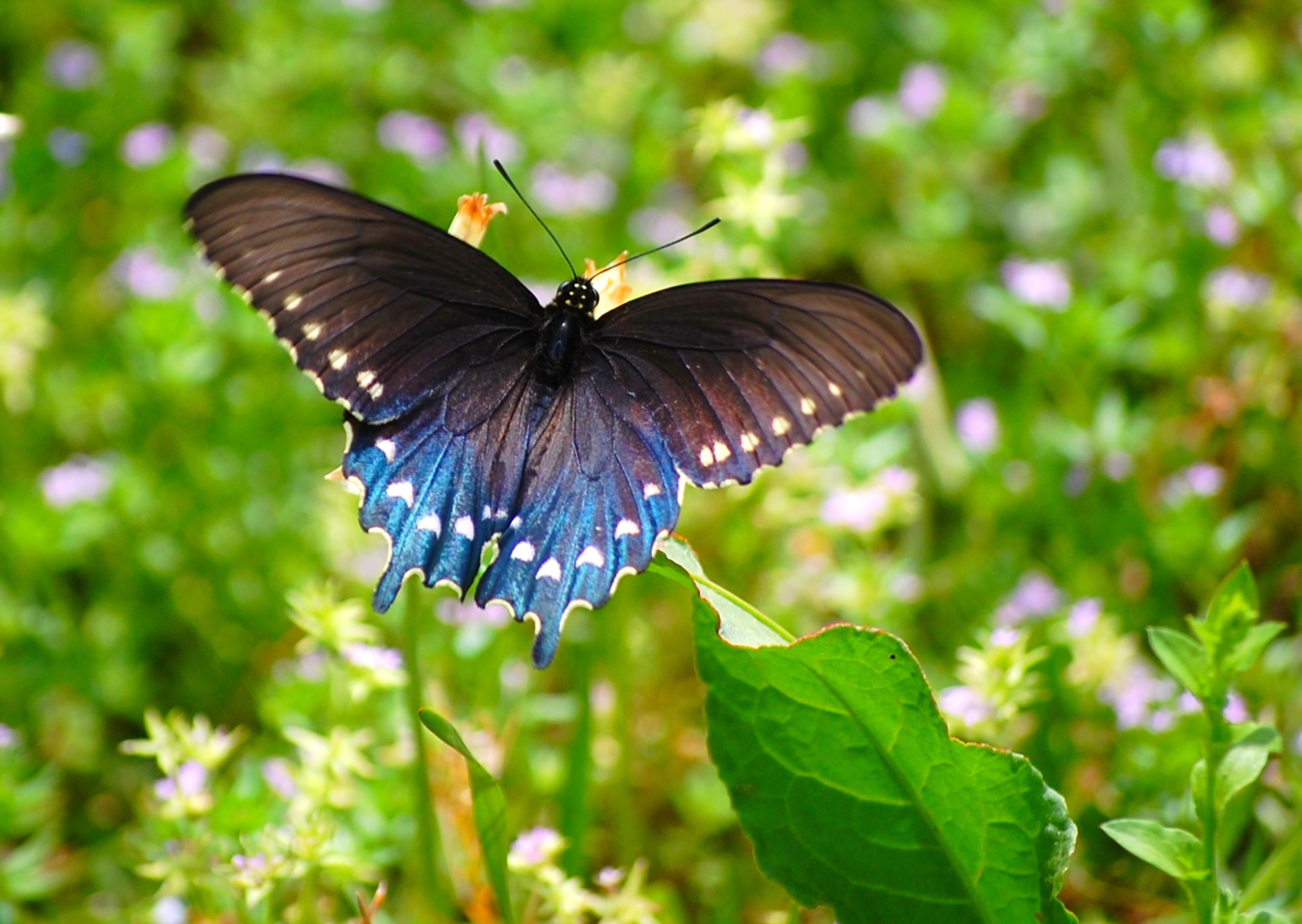
Gracing open woodlands, meadows, and gardens across much of North America, the pipevine swallowtail, scientifically known as Battus philenor, is a butterfly of captivating beauty and crucial ecological significance. With its velvety black wings adorned with iridescent blue-green highlights and its distinctive, undulating flight, this elegant insect serves as a living advertisement of its toxicity, playing a key role in mimicry complexes that protect other species.
A Velvety Cloak of Iridescence: Appearance and Striking Colors:
The pipevine swallowtail is a medium to large butterfly, typically boasting a wingspan of 3 to 4 inches (7.6 to 10 cm). The dorsal (upper) surface of its forewings is a deep, velvety black. The hindwings, however, are where its true splendor lies, exhibiting a breathtaking iridescent blue or blue-green sheen that shimmers in the sunlight. This iridescence is particularly vivid in males. The hindwings also feature a series of pale, crescent-shaped spots along their outer margin.
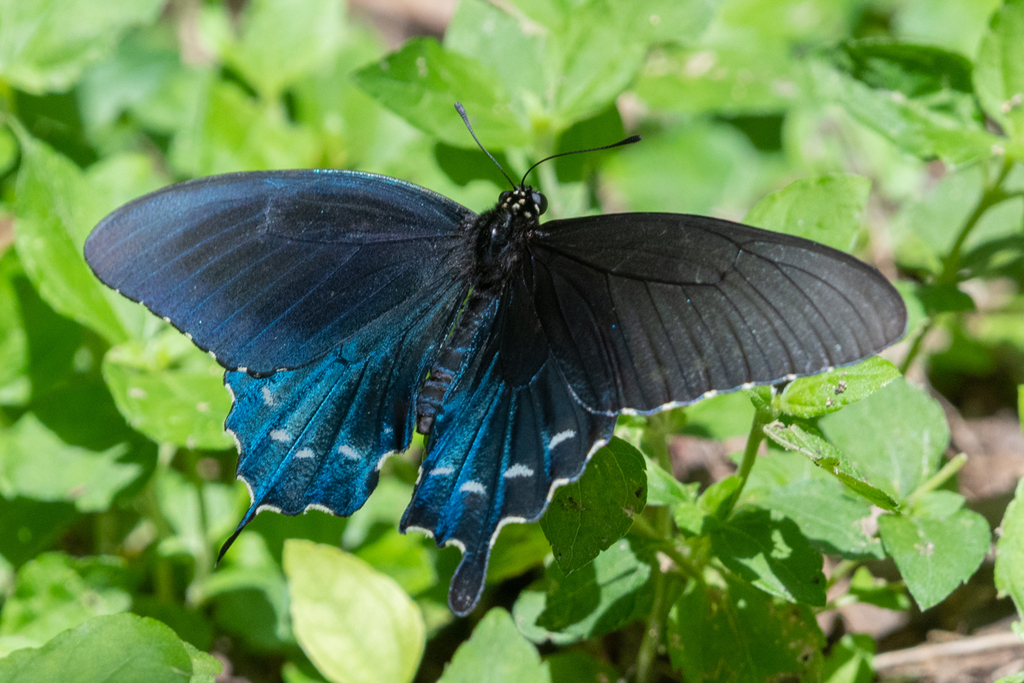
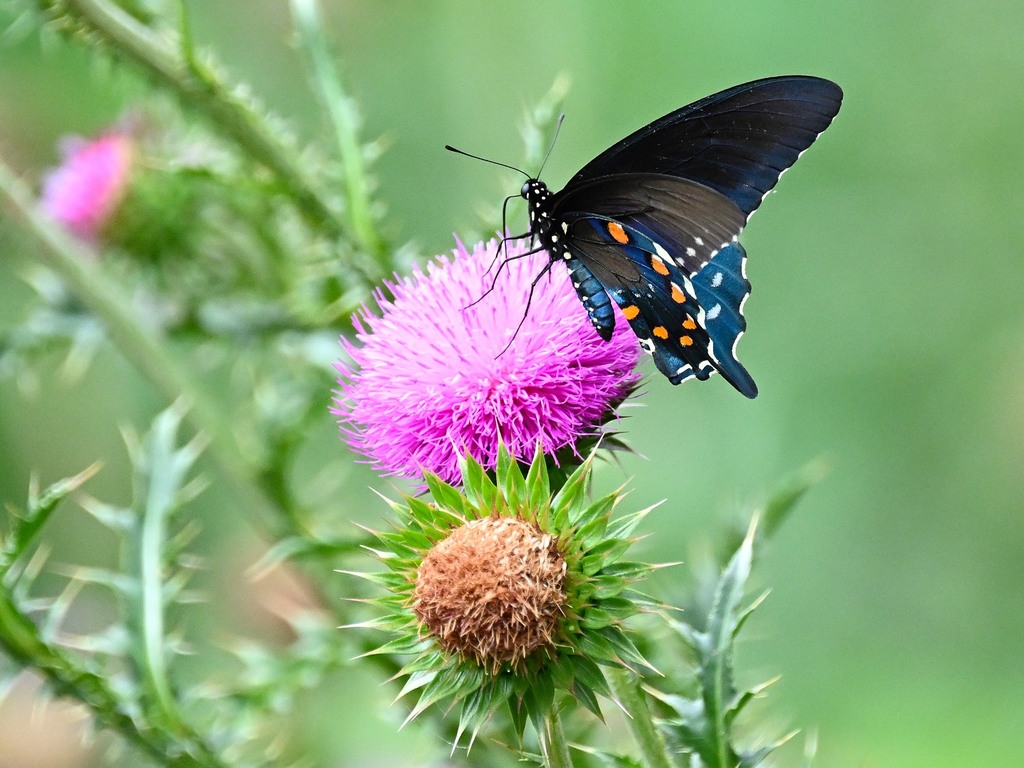
The ventral (underside) of the hindwings is equally striking, displaying a row of bright, iridescent blue or blue-green spots against a black background, often accompanied by a row of vibrant orange-red spots. The body is black with prominent orange-red spots on the sides of the abdomen. These bold and contrasting colors serve as a classic example of aposematism, warning predators of the butterfly’s unpalatability.
Distribution and Habitat: A Southern Specialist Spreading North:
The pipevine swallowtail is widely distributed across the eastern and southwestern United States, extending from southern Canada (Ontario) and the eastern seaboard west to Arizona and southward into Mexico. Its range is intrinsically linked to the presence of its larval host plants, which are exclusively members of the pipevine family (Aristolochiaceae). Consequently, it is commonly found in a variety of open habitats including woodlands, fields, meadows, suburban gardens, and riparian areas where pipevine plants grow. In recent decades, its range has expanded northward, likely due to climate change and the increased cultivation of pipevine in gardens.
Life Cycle: From Spiny Specialist to Toxic Beauty:
The life cycle of Battus philenor involves the typical four stages of complete metamorphosis, with the larval stage being critical for acquiring its defensive toxins.

- Egg: Females lay clusters of small, spherical, reddish-orange or purplish-brown eggs on the undersides of young leaves or stems of their host plants. The eggs are often ribbed or ridged.
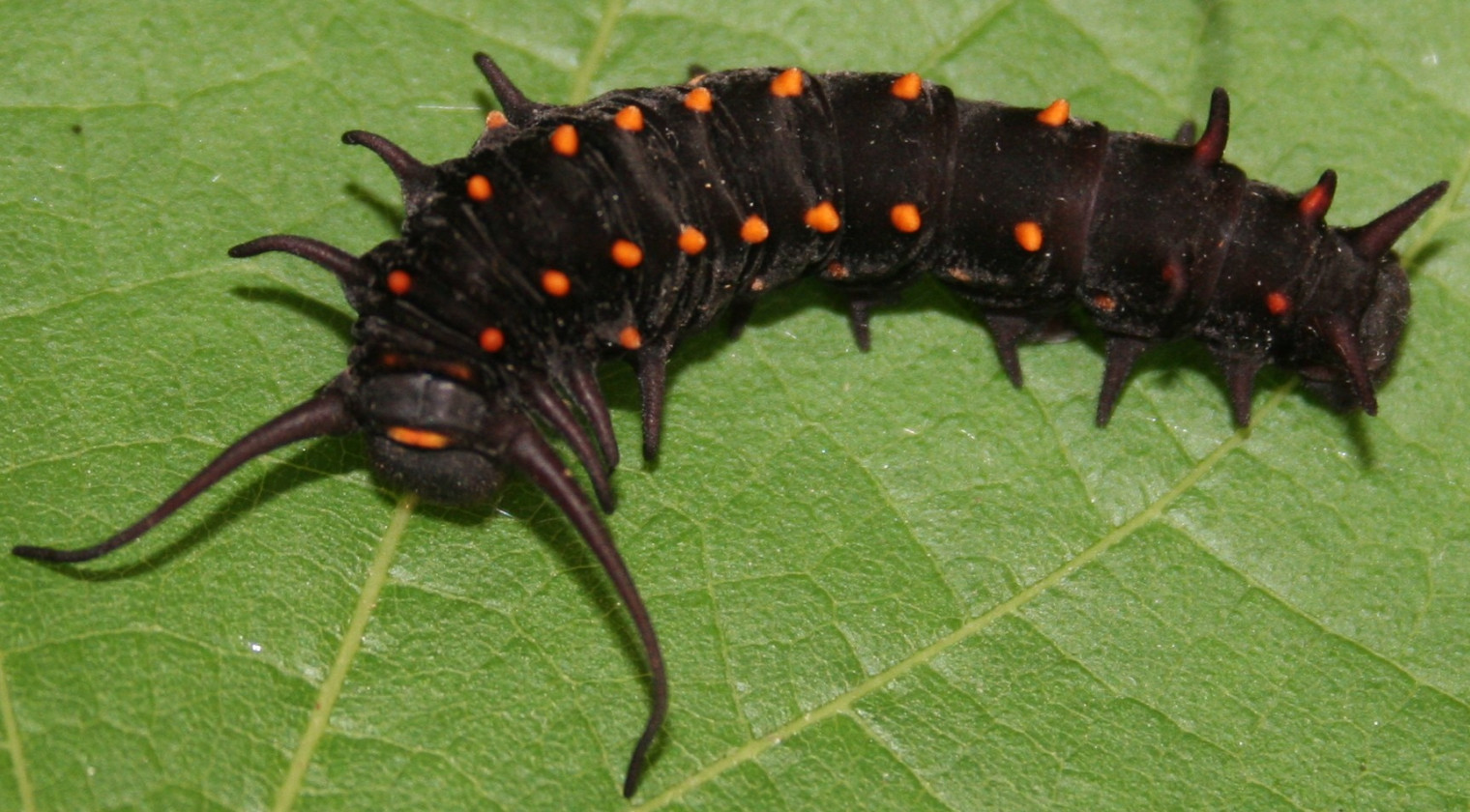
- Larva (Caterpillar): The caterpillars are unique and quite striking. They are typically dark velvety black or dark purplish-brown with numerous prominent, fleshy, orange or red tubercules (spines) covering their bodies. These spines, while visually intimidating, are not stinging; rather, they are a visual warning. The larvae feed exclusively on pipevine plants, accumulating toxic compounds (aristolochic acids) from the plant tissues. These toxins make the caterpillar and subsequently the adult butterfly distasteful and even toxic to predators. The larvae are often gregarious in their early instars before becoming more solitary.
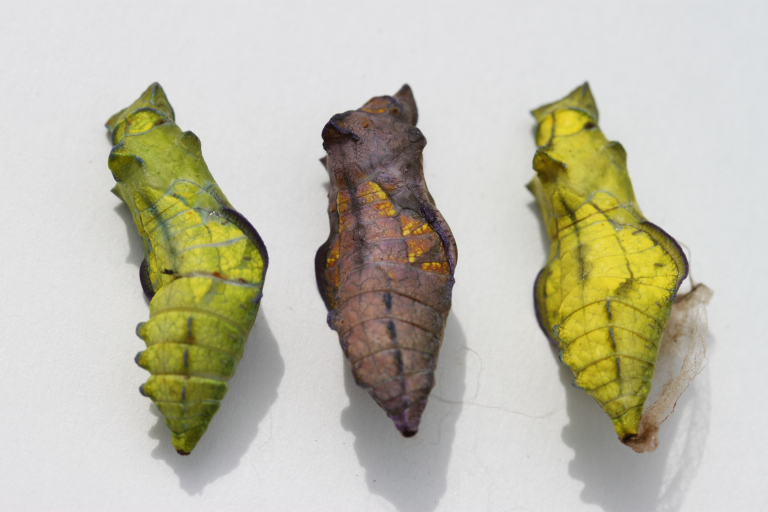
- Pupa (Chrysalis): Once fully grown, the larva forms a chrysalis that is typically brown, green, or mottled, perfectly mimicking a dead leaf or twig. It is attached to a stem or branch of the host plant or a nearby surface by a silken girdle and a cremaster. The chrysalis itself can also appear quite ghoulish or skeletal, further deterring predators.
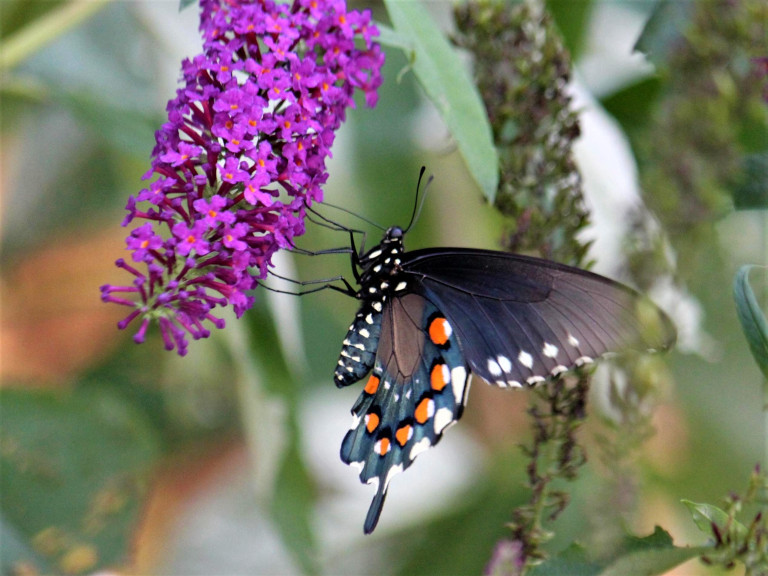
- Adult: The elegant adult butterfly emerges from the chrysalis. After allowing its wings to dry and harden, the pipevine swallowtail takes flight, ready to find mates and feed on nectar. Due to the toxins ingested during the larval stage, the adults are protected from most predators. In warmer regions, there can be multiple broods (2-3) per year, ensuring a continuous presence of these beautiful insects throughout the warmer months.
Host Plants and Nectar Sources: A Strict Diet, A Broad Palate:
The survival of the pipevine swallowtail is completely dependent on its larval host plants, which are strictly members of the pipevine family (Aristolochiaceae). These plants contain aristolochic acids, which are sequestered by the caterpillars, making them and the adult butterflies unpalatable or toxic to predators. Key host plants include:
- Virginia Snakeroot (Aristolochia serpentaria)
- Common Pipevine / Dutchman’s Pipe (Aristolochia macrophylla)
- Woolly Pipevine (Aristolochia tomentosa)
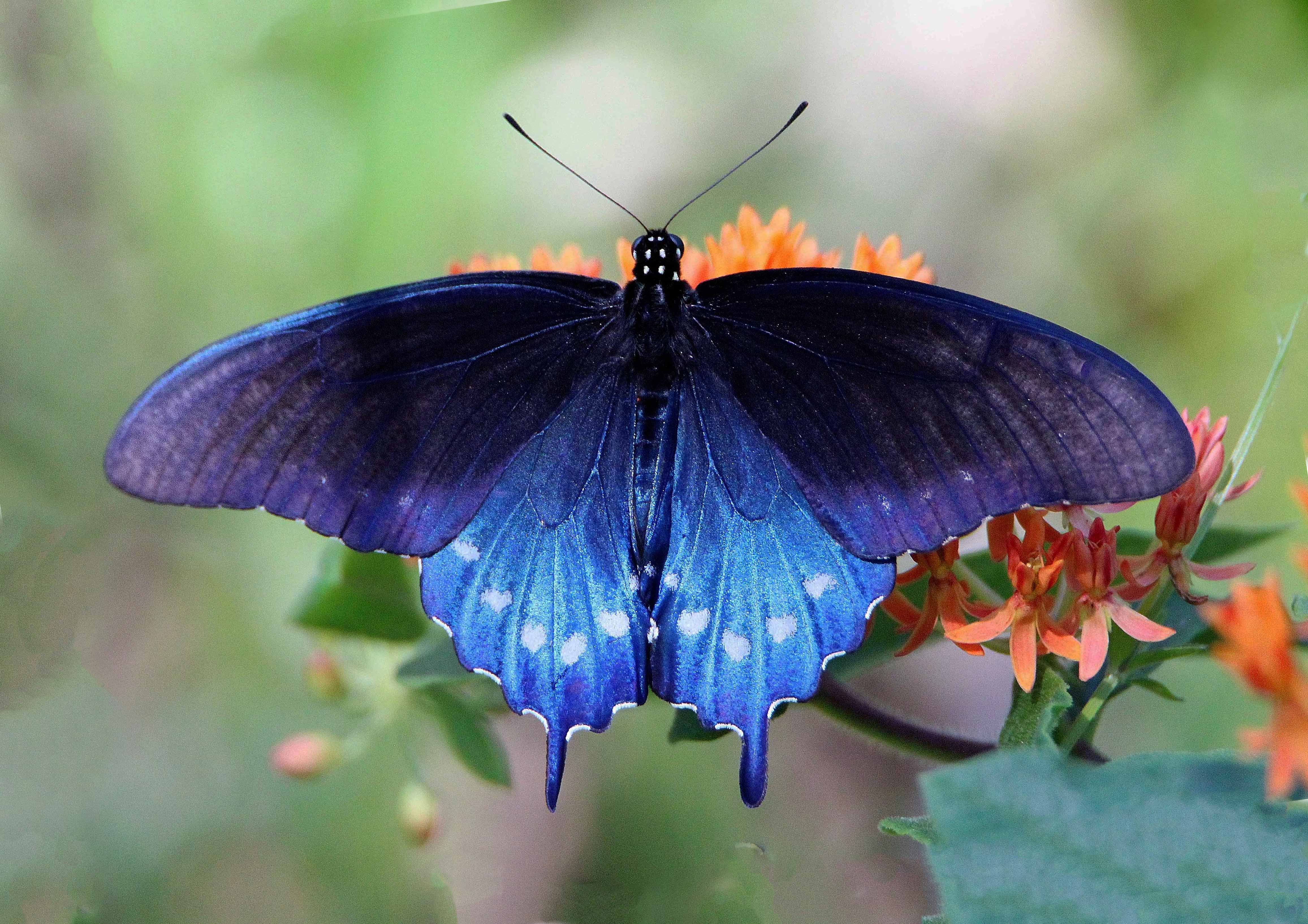
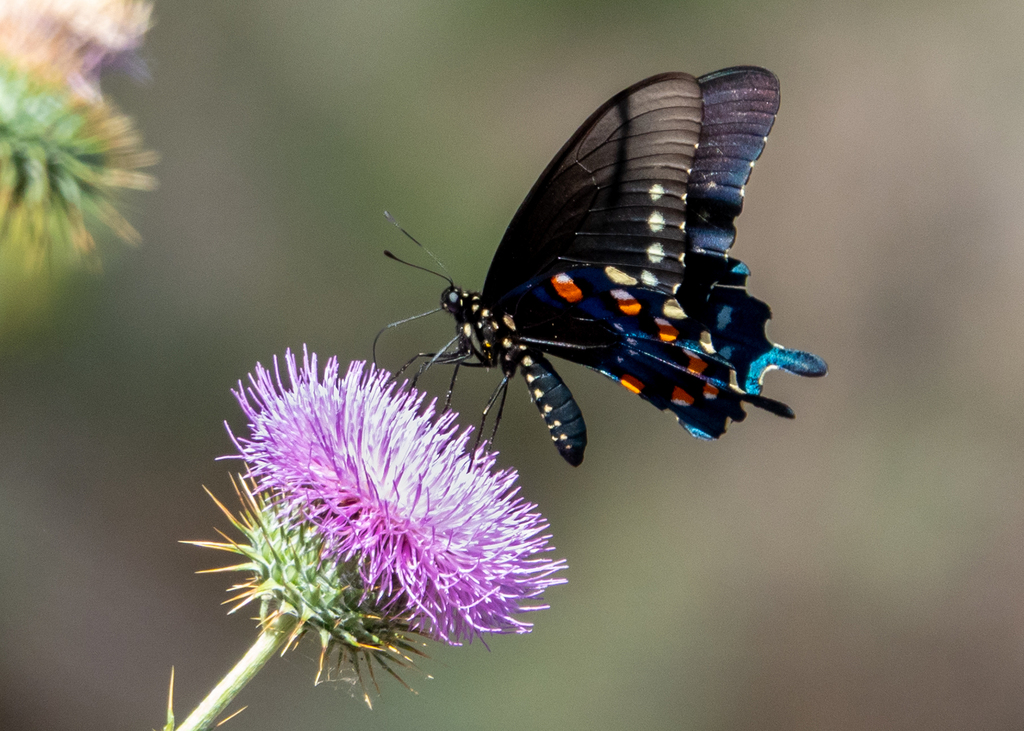
Adult butterflies are attracted to a wide variety of nectar-rich flowers from numerous plant families. Their long proboscis allows them to feed from deep-throated flowers. They are also frequently observed mud-puddling, particularly males, to obtain essential salts and minerals.
Behavior and Ecology: A Key Player in Mimicry Rings:
The pipevine swallowtail’s flight is often described as slow and undulating, a confident display of its toxicity. Males actively patrol for females. The most significant ecological role of the pipevine swallowtail is its participation in mimicry complexes. Being genuinely unpalatable, it serves as a model for several other palatable (Batesian) mimics, including the viceroy butterfly (Limenitis archippus), the dark form of the tiger swallowtail (Papilio glaucus), and some female Diana fritillaries (Speyeria diana). This widespread mimicry highlights the effectiveness of the pipevine swallowtail’s warning coloration. It also participates in Müllerian mimicry with other toxic butterflies that share similar warning patterns.
Conservation Status and Threats: Generally Stable, But Host Plants are Key:
Currently, the pipevine swallowtail is generally considered a common and widespread species throughout most of its range and is not facing significant conservation threats. Its increasing popularity in butterfly gardens and the cultivation of its pipevine host plants have helped to expand its range and populations. However, habitat loss, particularly the destruction of natural areas containing native pipevine species, and the use of broad-spectrum pesticides, can still impact local populations. Maintaining healthy native plant communities, especially those including its specific host plants, is crucial for its continued success.
A Shimmering Testament to Evolution: The Pipevine Swallowtail:
The pipevine swallowtail, with its breathtaking iridescent wings, its unique toxic defense, and its central role in the fascinating world of mimicry, stands as a remarkable testament to the power of evolution. From the spiny, toxic caterpillar to the elegant, warning-colored adult, every stage of its life cycle tells a story of survival and adaptation. Observing this shimmering jewel of the forest is a profound experience, a vivid reminder of the intricate beauty and ingenious strategies that define the natural world.
Discover more from
Subscribe to get the latest posts sent to your email.
 davethebugguy.org