
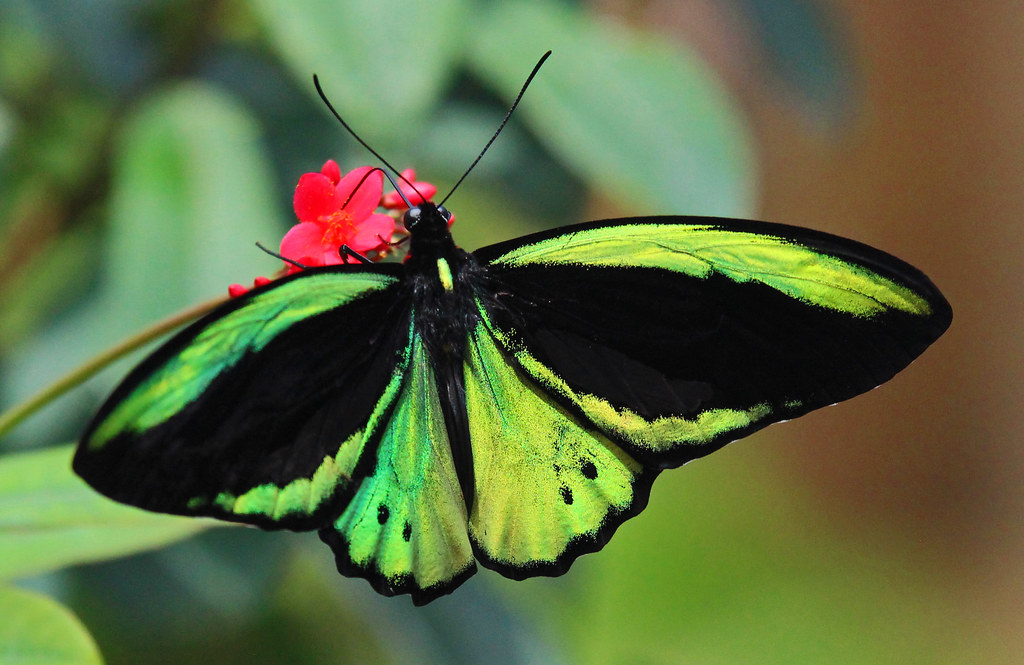
Among the most magnificent and sought-after insects on Earth, the birdwing butterflies of the genus Ornithoptera stand as living jewels. Renowned for their immense size, often iridescent coloration, and graceful flight, these butterflies have captivated naturalists, collectors, and conservationists for centuries. Their history is not just a tale of scientific discovery but also one intertwined with human exploration, evolving understanding, and increasingly, urgent conservation efforts.
Early Encounters and the Dawn of Classification
The story of birdwing butterflies truly begins with the Age of Exploration. As European naturalists and explorers ventured into the lush, biodiverse regions of Southeast Asia and Oceania, they encountered these spectacular insects. The sheer scale and beauty of these butterflies would have been unlike anything previously seen.
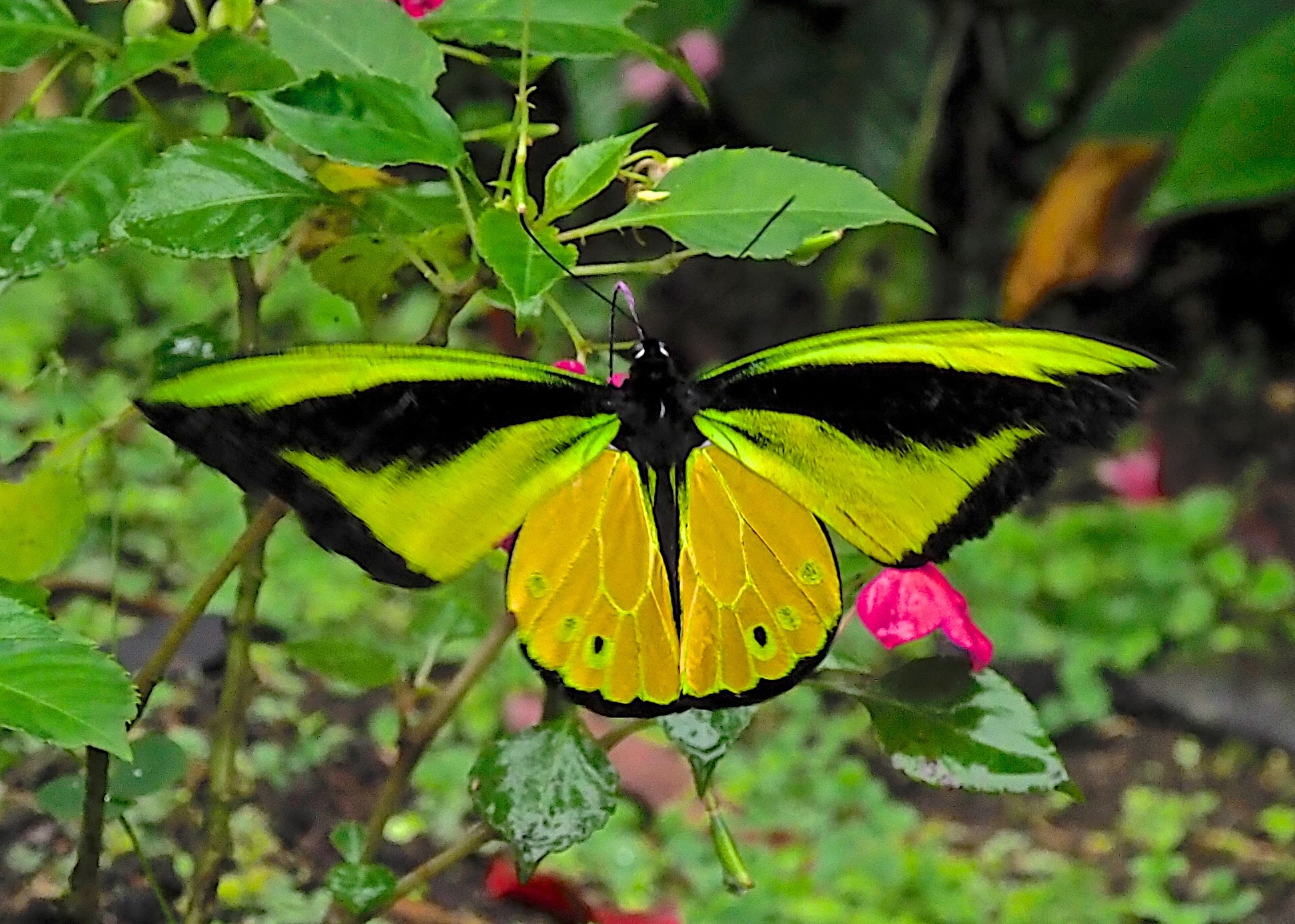
One of the earliest documented encounters, though not explicitly an Ornithoptera, paved the way. Carl Linnaeus, the father of modern taxonomy, described Papilio priamus (now Ornithoptera priamus) in his seminal 1758 work, Systema Naturae. This initial classification marked the entry of birdwings into the formal scientific lexicon. As more specimens were collected and brought back to Europe, the diversity within this group became apparent, leading to the establishment of the genus Ornithoptera itself. While the exact date of its formal establishment varies depending on the author and precise taxonomic history, the late 18th and early 19th centuries saw a burgeoning interest in classifying and understanding these new discoveries.
The Golden Age of Butterfly Collecting
The 19th and early 20th centuries represented a “golden age” for natural history collecting, and birdwings were at the forefront of this fascination. Expedition after expedition ventured into the remote islands of the Indo-Pacific, seeking new species and filling the burgeoning natural history museums of Europe and America.
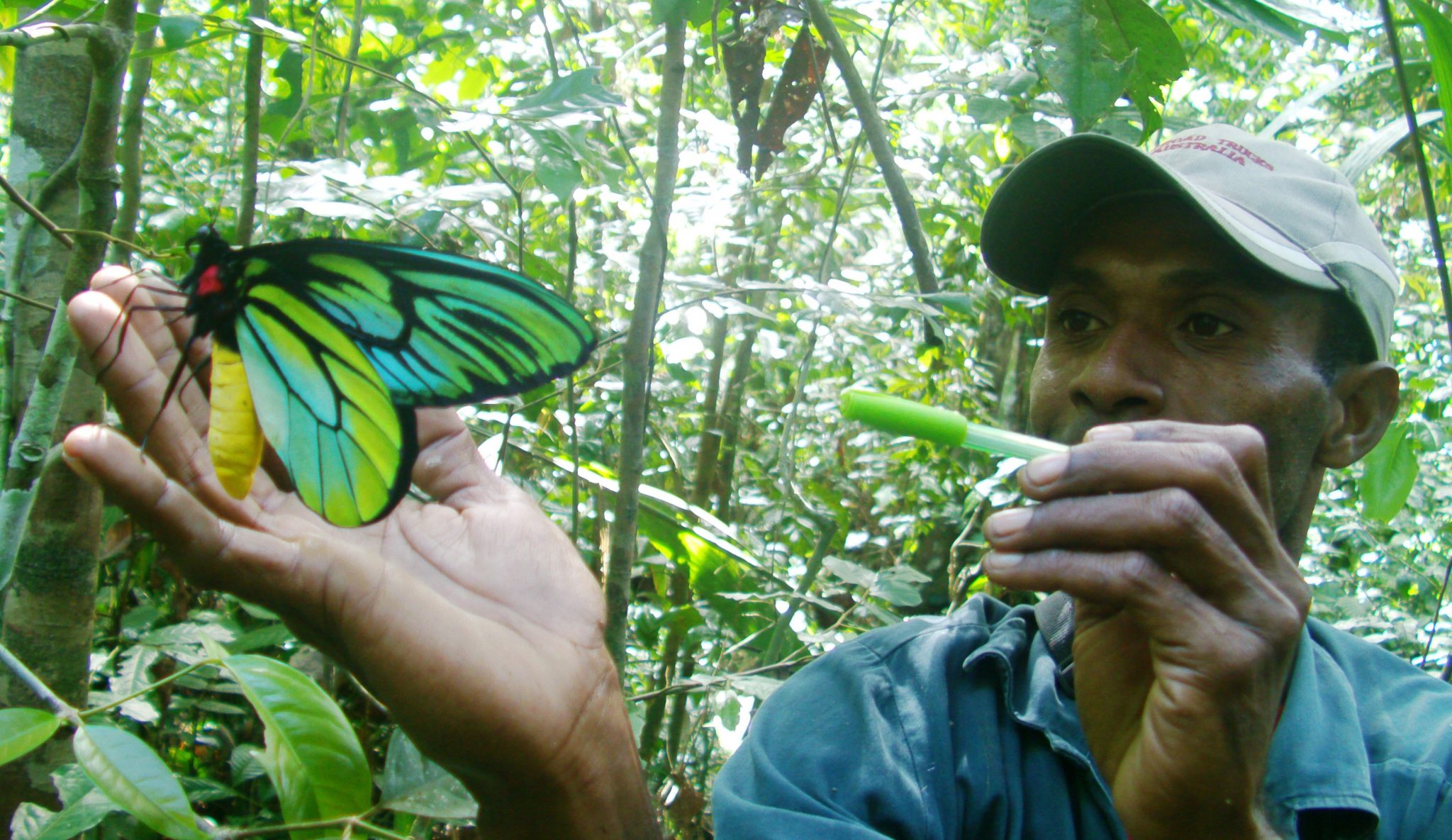
Explorers and naturalists like Alfred Russel Wallace, who famously collected the stunning Wallace’s golden birdwing (Ornithoptera croesus) in the Moluccas, played pivotal roles in expanding our knowledge. Wallace’s vivid accounts of his encounters with these butterflies in the wild not only added to scientific understanding but also fueled public imagination. The discovery of species like the Goliath birdwing (Ornithoptera goliath) and the striking Richmond birdwing (Ornithoptera richmondia) further cemented the genus’s legendary status.
This era, however, also saw the rise of commercial butterfly collecting, which, while contributing to scientific collections, also began to exert pressure on certain populations. Rare and visually spectacular species fetched high prices, creating a market that would later contribute to conservation concerns.

Unveiling Diversity: Taxonomy and Subspecies
As more specimens were amassed, the intricate taxonomic relationships within Ornithoptera began to be unraveled. Scientists recognized the existence of numerous subspecies, often differentiated by subtle variations in wing pattern, color, and geographical distribution. The study of these subspecies provided valuable insights into evolutionary processes and biogeography, illustrating how geographical isolation led to diversification. This period also saw the development of more refined identification guides and scientific monographs dedicated to the genus.
A New Chapter: Conservation and the Future
By the mid-20th century, a growing awareness of environmental degradation began to shift the focus from pure collection to conservation. Many birdwing species, particularly those with restricted ranges or specific habitat requirements, were increasingly recognized as vulnerable. Habitat loss due to deforestation, logging, and agricultural expansion emerged as the primary threat.
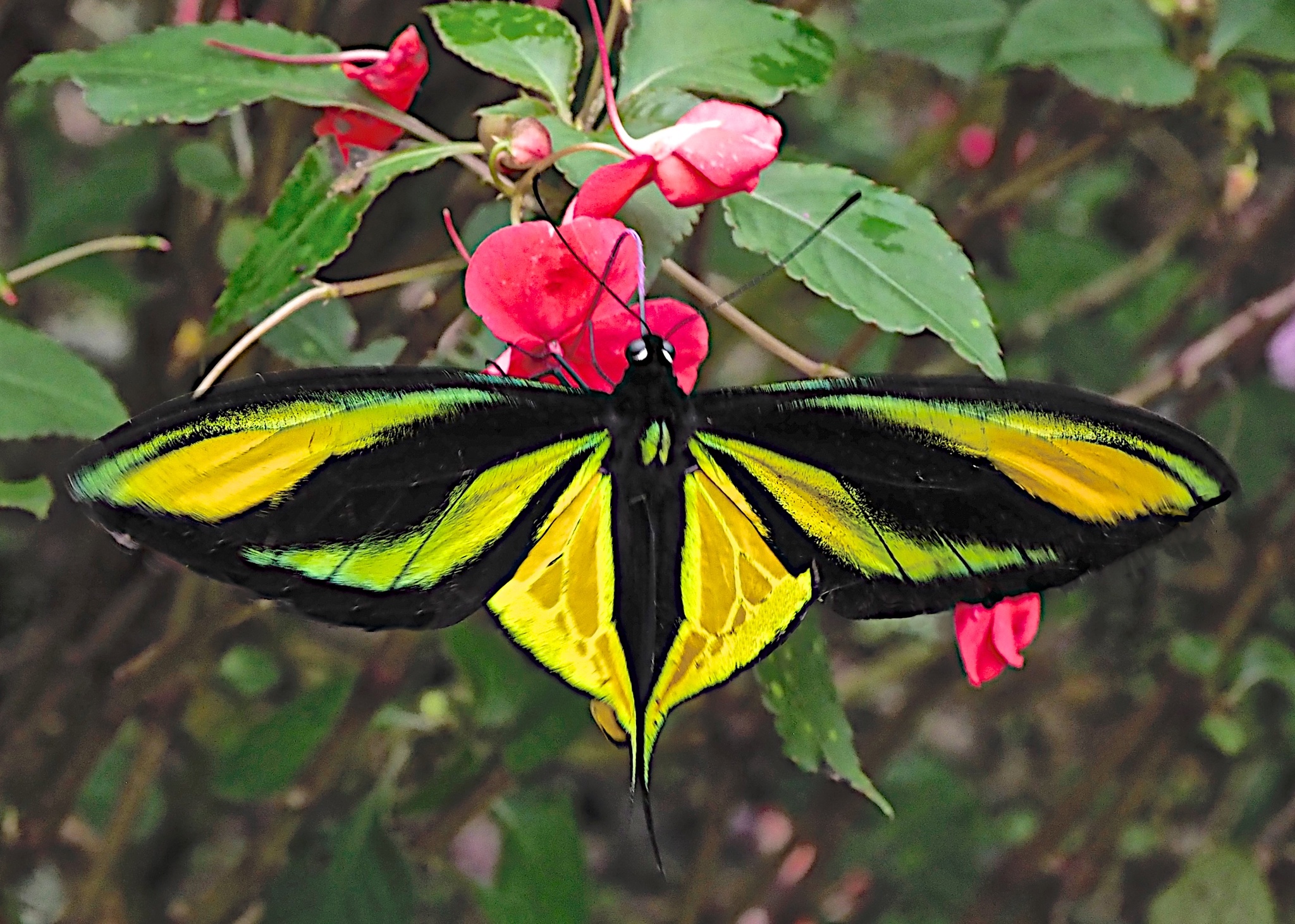
The Queen Alexandra’s birdwing (Ornithoptera alexandrae), the world’s largest butterfly, discovered in 1906, became an iconic symbol of this vulnerability. Its extremely limited range in Papua New Guinea and the destruction of its rainforest habitat have placed it on the critically endangered list, sparking significant international conservation efforts.
Today, all species of Ornithoptera are listed on CITES Appendix II, which regulates international trade to prevent over-exploitation. The Queen Alexandra’s birdwing is on Appendix I, which prohibits all commercial international trade. Conservation strategies for birdwings now focus on a multi-pronged approach:

- Habitat Protection: Establishing protected areas and working with local communities to preserve critical rainforest ecosystems.
- Sustainable Breeding Programs: Encouraging captive breeding to reduce pressure on wild populations and for potential reintroduction.
- Community Engagement: Involving indigenous communities in conservation efforts, recognizing their traditional knowledge and the potential for sustainable economic alternatives through butterfly farming.
- Research: Continuing to study their life cycles, ecological requirements, and population dynamics to inform effective conservation strategies.
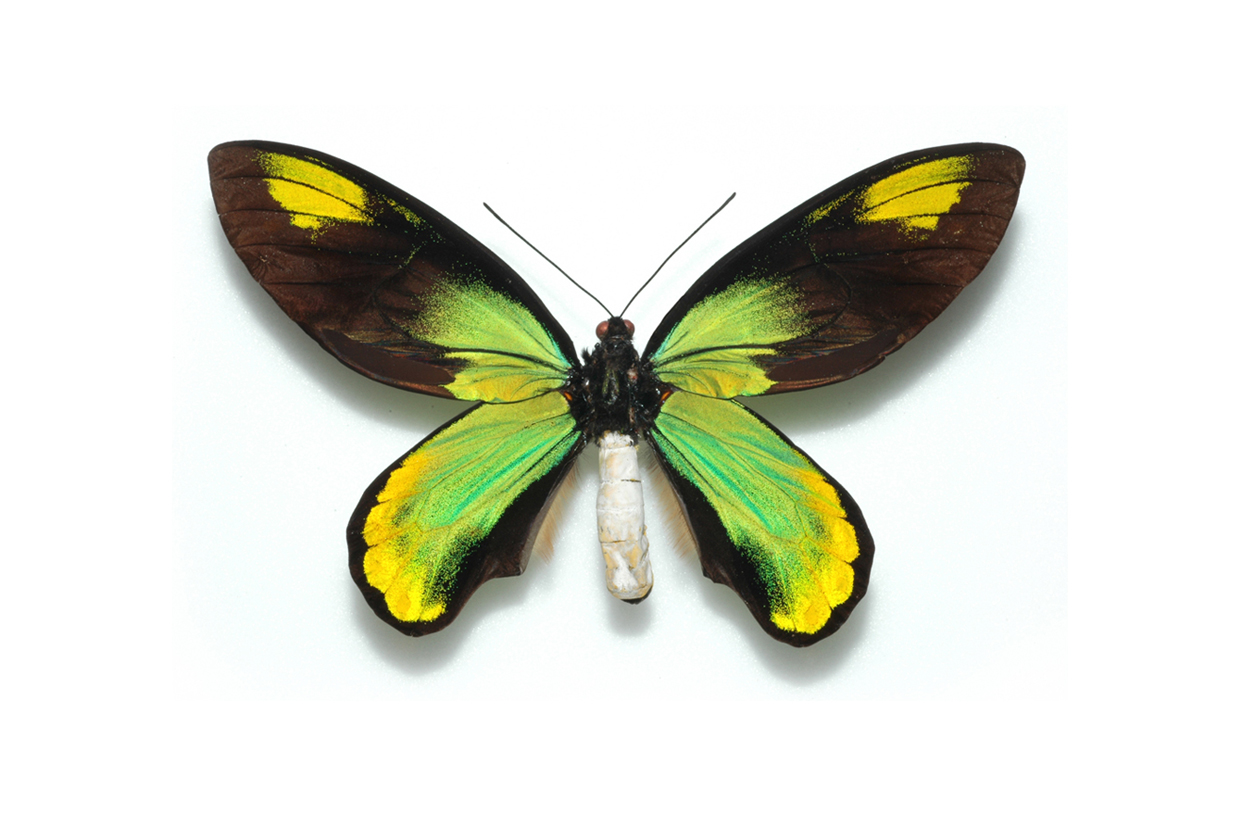
The history of birdwing butterflies is a dynamic narrative, evolving from initial wonder and scientific discovery to a profound understanding of their ecological significance and the urgent need for their protection. As we move forward, the continued survival of these magnificent insects hinges on a collective commitment to preserving their natural habitats and fostering a deeper appreciation for the intricate beauty of our planet’s biodiversity. The regal lineage of Ornithoptera serves as a powerful reminder of nature’s splendor and our responsibility to safeguard it for future generations.
Discover more from
Subscribe to get the latest posts sent to your email.
 davethebugguy.org
May I ask,
Which subspecie is it at right upper corner of Ceoesus?