

Soaring with a powerful, almost regal flight through sunny woodlands, citrus groves, and gardens of the Americas, the giant swallowtail, scientifically known as Papilio cresphontes, is a truly magnificent butterfly. As the largest butterfly native to the United States and Canada, its impressive size, striking brown and yellow patterns, and its unique larval defense strategy make it an instantly recognizable and fascinating member of the butterfly world.
A Bold Canvas of Black and Yellow: Imposing Size and Pattern:
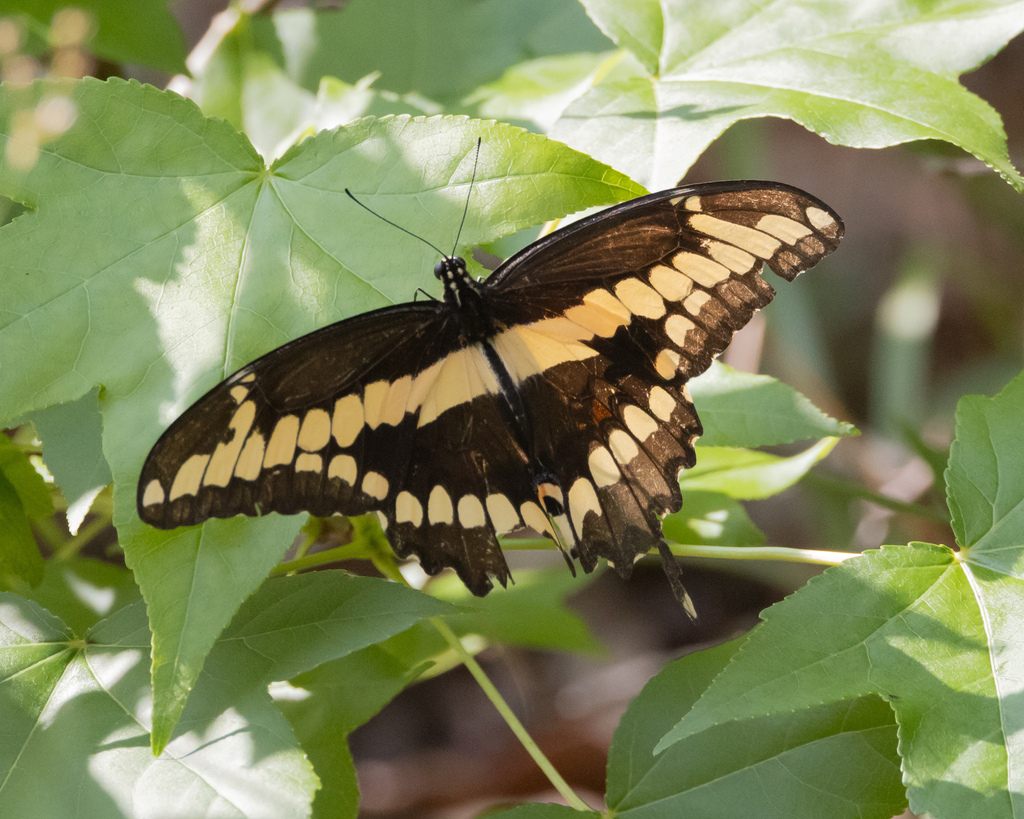
The giant swallowtail lives up to its name, boasting an impressive wingspan that can range from 4 to over 6 inches (10 to 16 cm), making it the largest butterfly in its native range. Its wings are a dramatic tapestry of deep black, boldly marked with prominent yellow spots and bands. The forewings feature a distinctive diagonal band of yellow spots, while the hindwings display a more extensive pattern of large yellow patches.
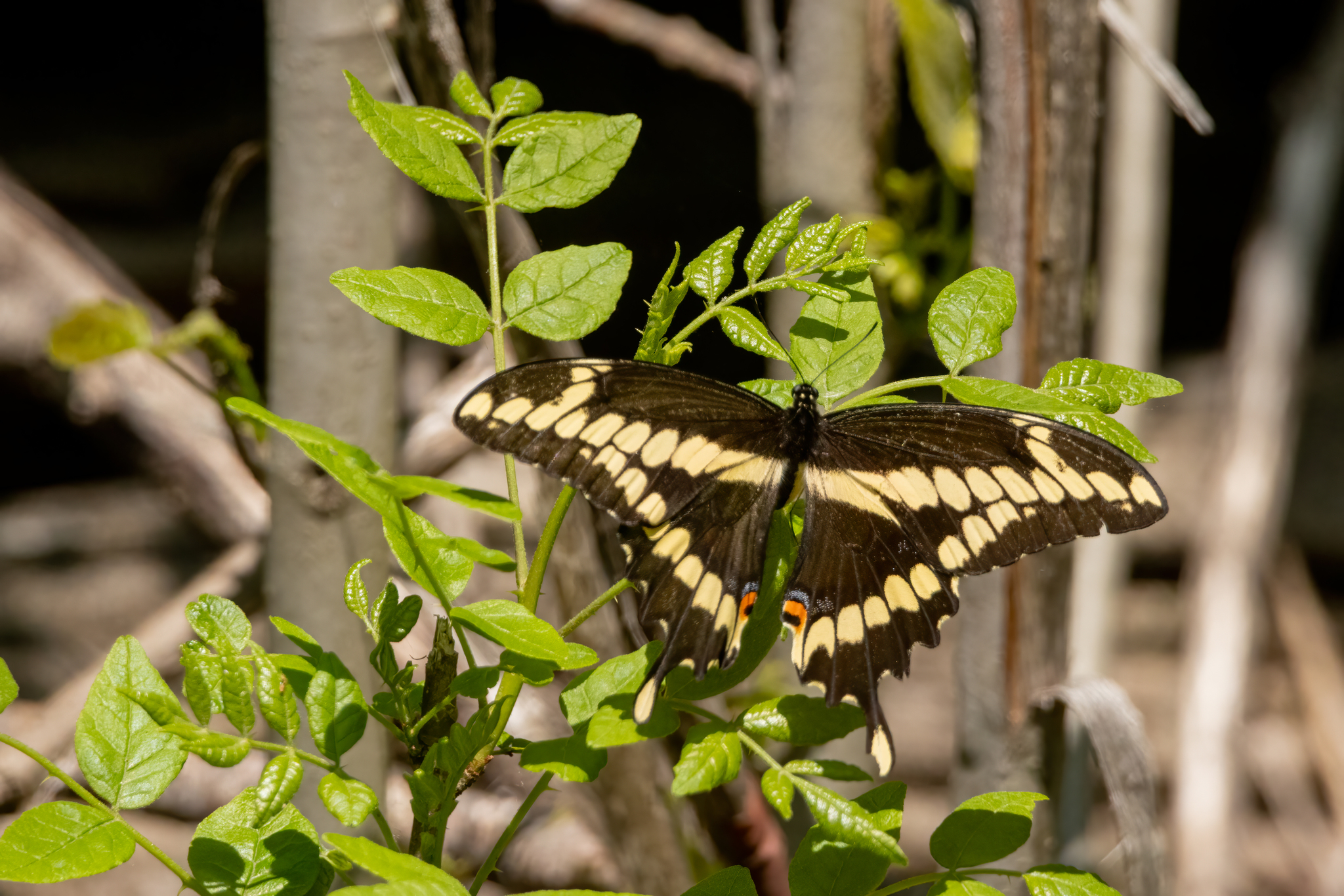
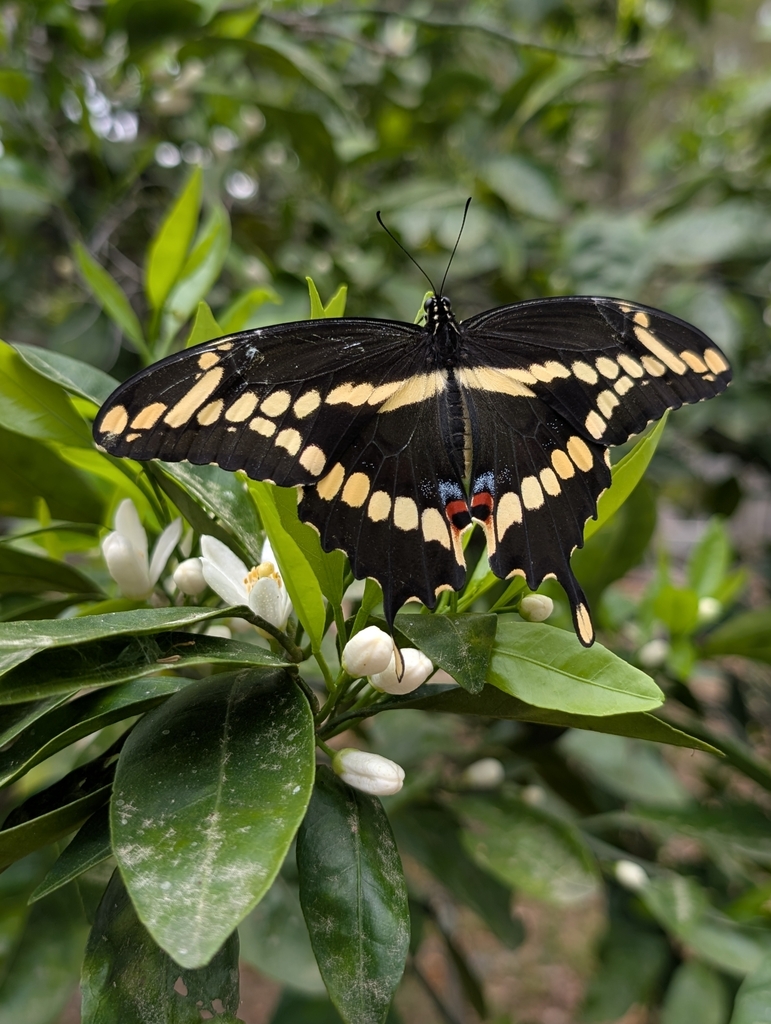
The hindwings possess the characteristic swallow-like tails, which often have a yellow central patch. Near the anal angle of the hindwing, there are striking orange and blue spots, adding a touch of vibrant color to its otherwise stark brown and yellow livery. The ventral (underside) of the wings is a complex mosaic of yellow, black, and blue, often with a paler overall appearance, providing camouflage when the butterfly rests with its wings closed.
Distribution and Habitat: A Citrus Lover’s Range:
The giant swallowtail is widely distributed across a vast expanse of the Americas, from southern Canada (Ontario) and the eastern United States, westward to the Great Plains, and southward through Mexico, Central America, and into parts of South America (Venezuela and Colombia). Its range is closely tied to the distribution of its larval host plants, primarily members of the citrus family (Rutaceae). Consequently, it is commonly found in citrus groves, open woodlands, fields, gardens, and urban and suburban areas where these plants are present.
Life Cycle: A Master of Disguise, From Bird Dropping to Giant:
The life cycle of Papilio cresphontes is notable for the remarkable camouflage employed by its larva, the “orange dog” caterpillar.
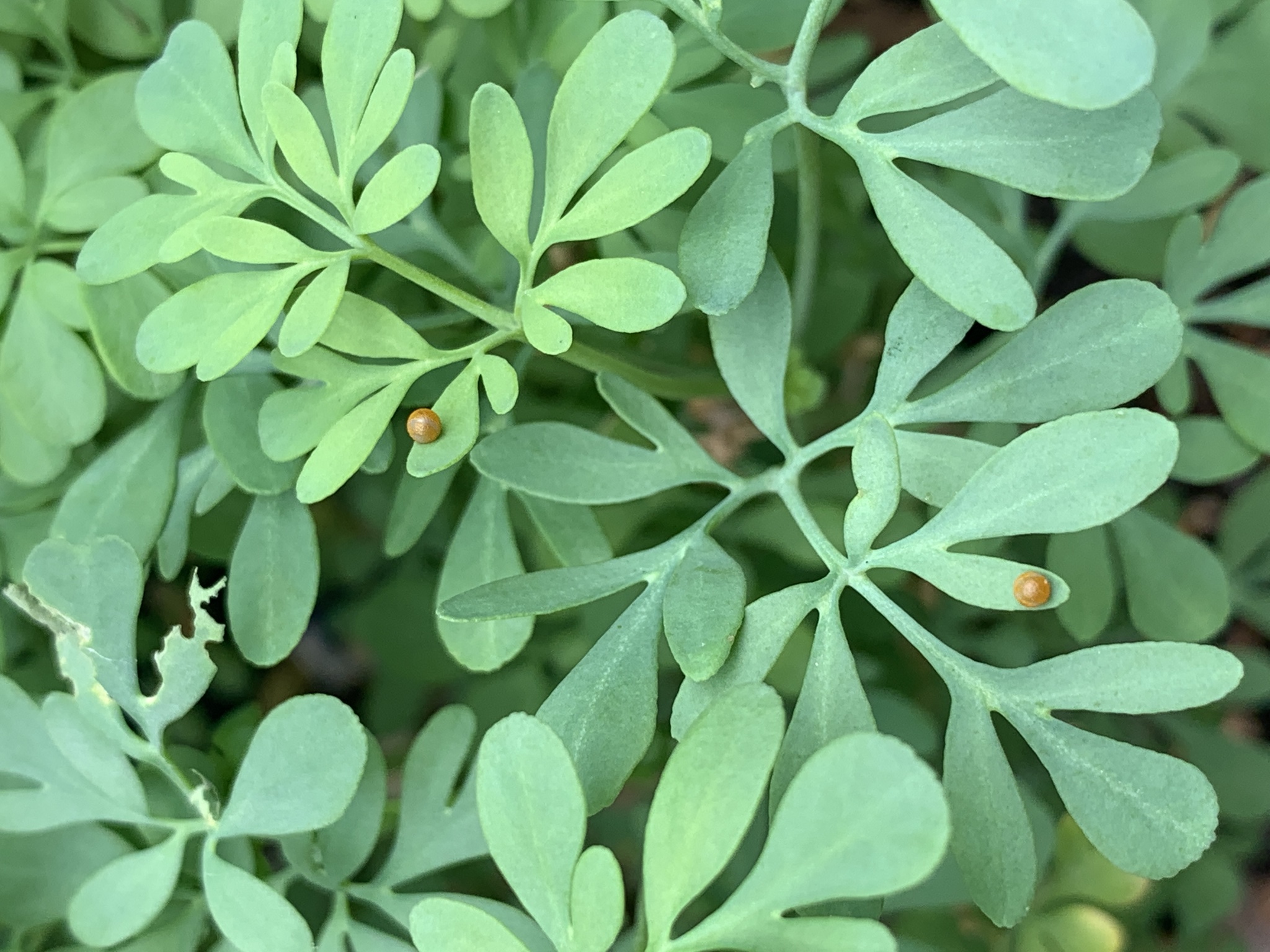
- Egg: The female giant swallowtail lays relatively large, spherical, glossy greenish-orange eggs singly on the upper surface of young leaves or stems of its host plants.

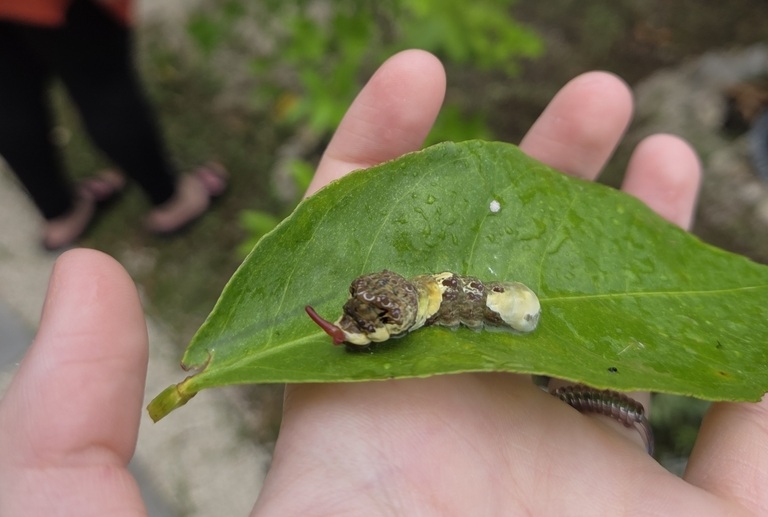
- Larva (Caterpillar): The newly hatched larvae are small and brownish-black, strikingly resembling bird droppings – an effective camouflage against predators. As they grow through successive instars, they retain this “bird dropping” mimicry, becoming larger and more variegated with splotches of white, brown, and black. They are stout and fleshy, with a rough texture. When threatened, like other swallowtail caterpillars, they possess a fleshy, forked orange gland called the osmeterium, which they can evert from behind their head, releasing a foul-smelling, citrus-scented substance to deter attackers. These larvae are known as “orange dogs” due to their preference for citrus trees.

- Pupa (Chrysalis): Once fully grown, the larva forms a chrysalis that can be either brown or green, perfectly mimicking a twig or dead leaf. It is attached to a stem or branch of the host plant or a nearby surface by a silken girdle and a cremaster (a hooked pad at the posterior end). This excellent camouflage provides protection during its vulnerable pupal stage.
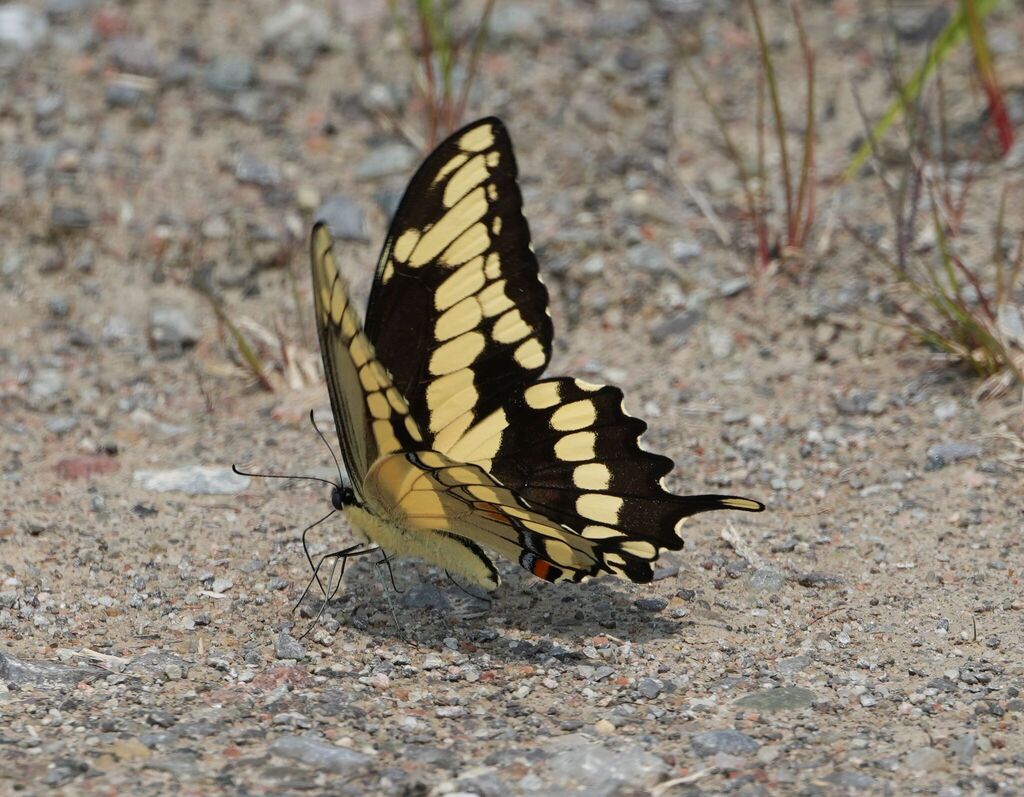
- Adult: The magnificent adult butterfly emerges from the chrysalis. After allowing its wings to dry and harden, the giant swallowtail takes flight, ready to feed on nectar from various flowers and reproduce. In warmer regions, there can be multiple broods (2-3) per year, allowing for a continuous presence of these impressive insects throughout the warmer months.
Host Plants and Nectar Sources: A Citrus Connection:
The survival of the giant swallowtail is intrinsically linked to its larval host plants, which are almost exclusively members of the citrus family (Rutaceae). Key host plants include:
- Citrus trees (Citrus species): (e.g., orange, lemon, lime, grapefruit)
- Prickly Ash (Zanthoxylum americanum)
- Hercules’ Club (Zanthoxylum clava-herculis)
- Common Rue (Ruta graveolens)
- Hoptree (Ptelea trifoliata)
Adult butterflies are highly attracted to a wide variety of nectar-rich flowers. They are strong pollinators as they feed, favoring flowers that offer a substantial supply of nectar. Some favored nectar sources include lantana, thistles, milkweeds, azaleas, coneflowers, and various other wildflowers and garden ornamentals. They are also frequently observed mud-puddling, particularly males, to obtain essential salts and minerals.
Behavior and Ecology: Powerful Flight and Defensive Mimicry:
Giant swallowtails are known for their strong, rapid, and somewhat erratic flight, often soaring high above the ground. Males are frequently observed patrolling open areas or near host plants in search of receptive females.
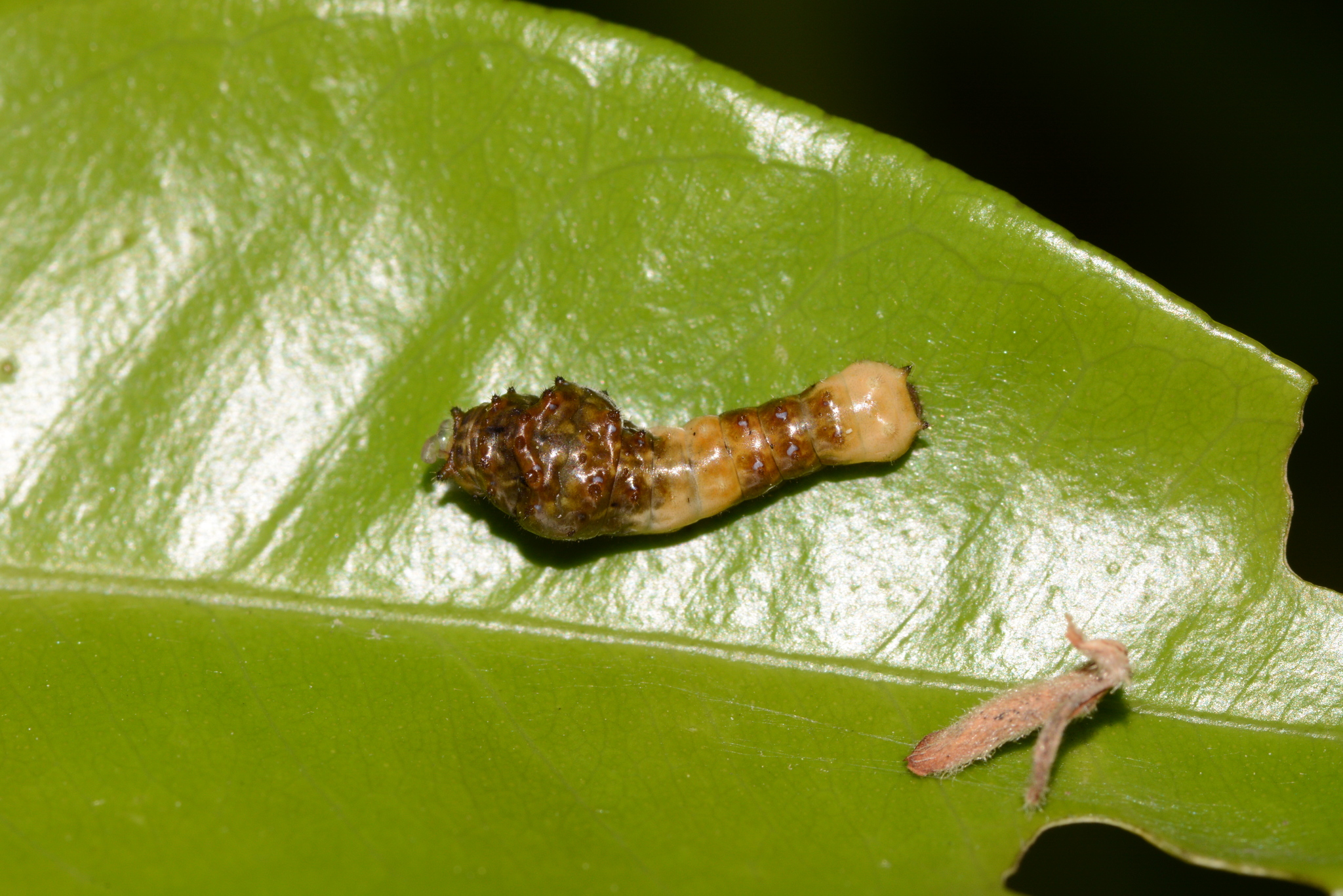
The remarkable “bird dropping” mimicry of the early instar larvae is a powerful visual defense against predators. The larger, later instar larvae continue this mimicry, and coupled with the eversion of the osmeterium when disturbed, provide an effective two-pronged defense. The bold black and yellow coloration of the adults may also serve as a form of aposematism, signaling to predators that they are unpalatable, though they are not known to be toxic.
Conservation Status and Threats: Generally Secure, Yet Habitat Matters:
Currently, the giant swallowtail is a common and widespread species throughout most of its range and is not considered to be under significant threat. Its adaptability to cultivated citrus crops and ornamental rutaceous plants in gardens contributes to its stability. However, the widespread use of pesticides in agricultural areas can negatively impact larval and adult populations. Maintaining healthy natural habitats with native host plants, alongside responsible gardening practices, is crucial for the continued success of this magnificent butterfly.
A Regal Presence in Our Gardens and Groves:
The giant swallowtail, with its imposing size, striking black and yellow patterns, and its larval masterclass in disguise, is a truly iconic species of the Americas. Its presence is a vibrant reminder of the intricate connections between plants and insects, and the remarkable evolutionary adaptations that allow life to thrive. Encountering this largest of North American swallowtails is always a captivating experience, a powerful and beautiful symbol of the natural world.
Discover more from
Subscribe to get the latest posts sent to your email.
 davethebugguy.org