
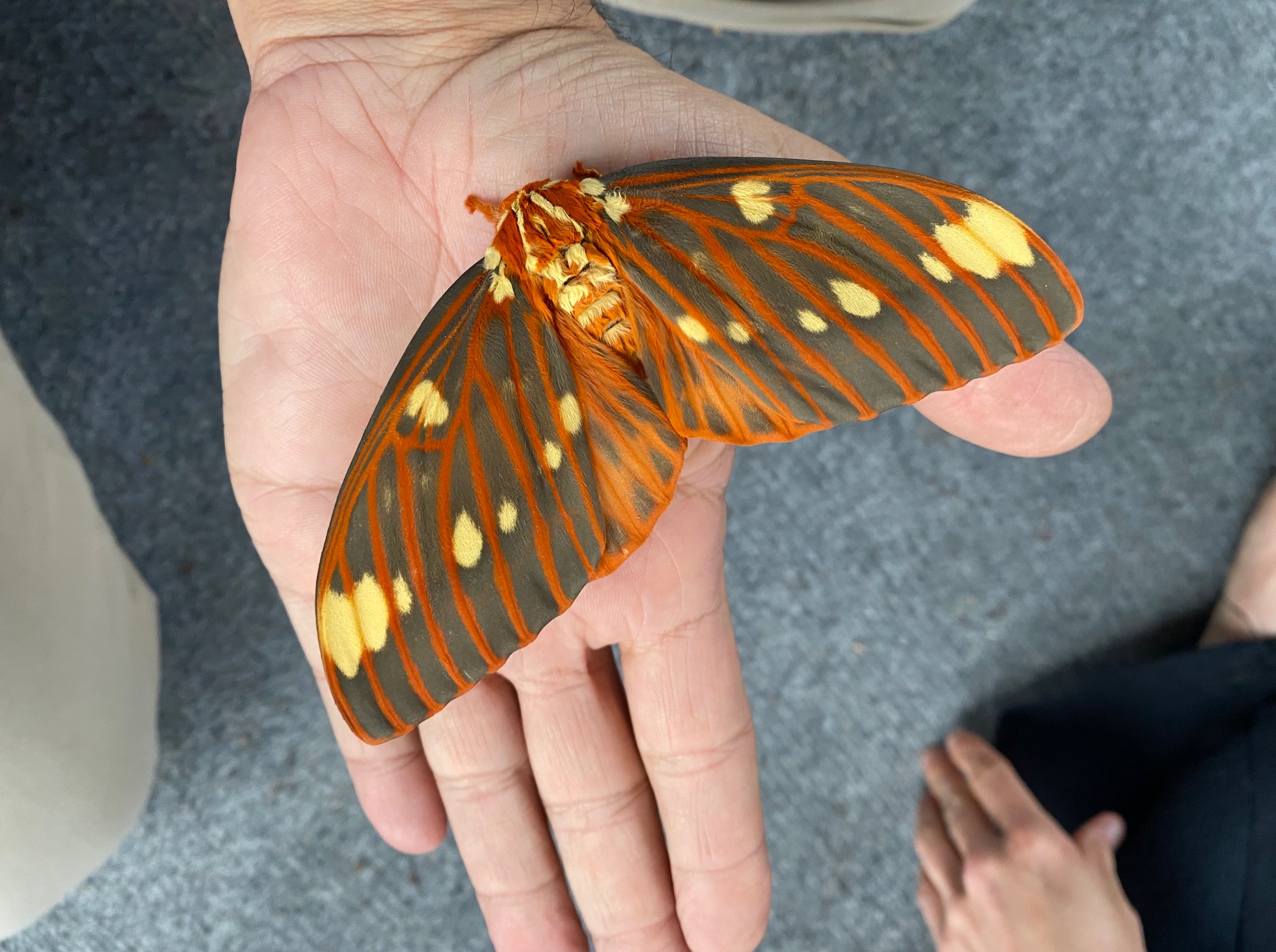
Emerging from the depths of eastern North American forests is one of the continent’s most spectacularly adorned insects – the regal moth, scientifically known as Citheronia regalis. With its impressive size, robust body, and a vibrant tapestry of orange, yellow, and black, this magnificent giant silk moth is a true monarch of the night. Its equally striking larva, the “hickory horned devil,” adds to its mystique, making it a fascinating subject from egg to adult.
A Royal Display of Hues: Size and Distinctive Markings:
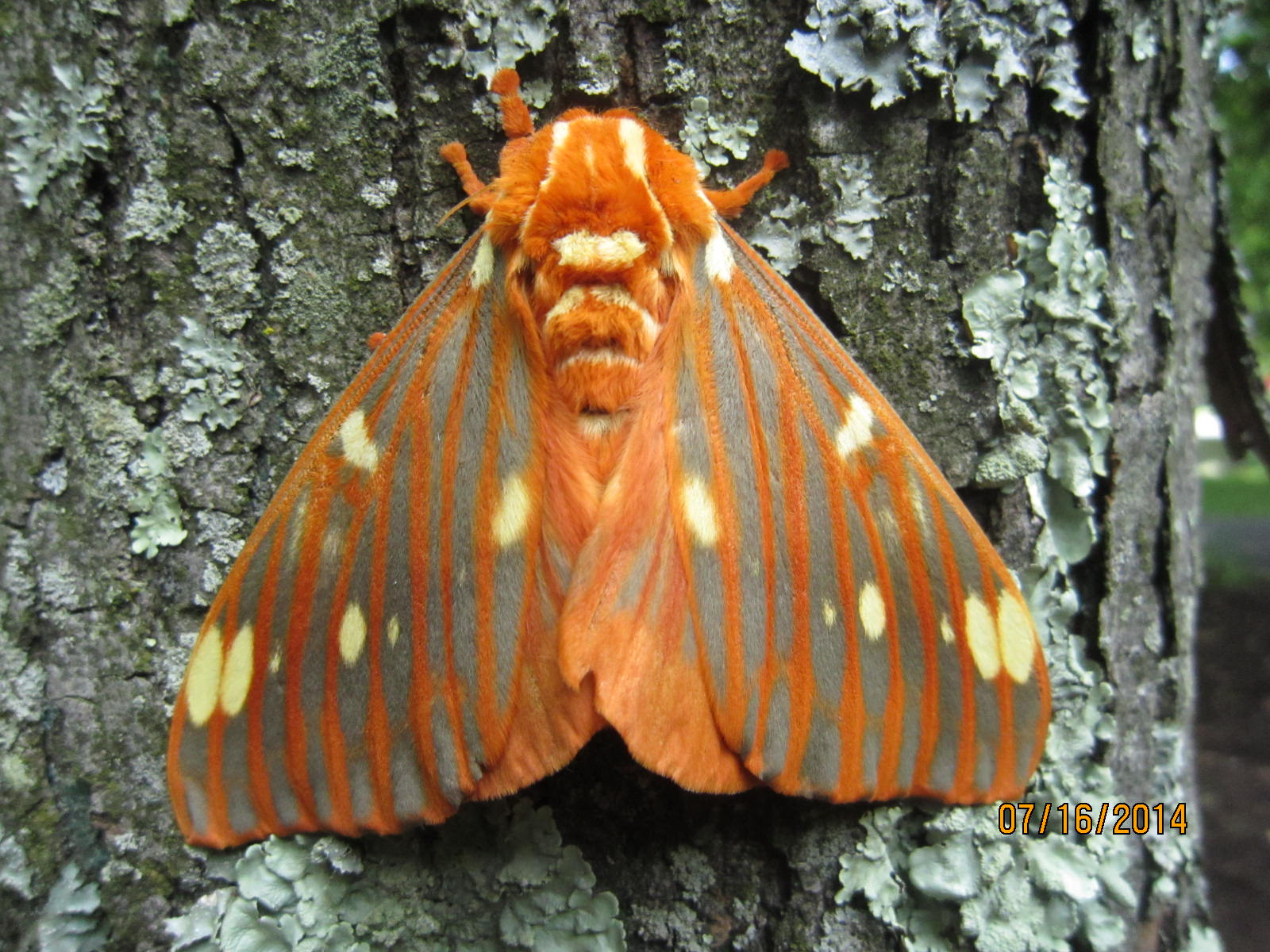
The regal moth is a truly colossal insect, boasting a wingspan that can range from 4 to 6 inches (10 to 15 cm), with some exceptionally large females reaching up to 7 inches. Its wings are a striking blend of orange, yellowish-orange, and black, forming a bold and intricate pattern. The forewings are typically a deep olive-brown or black with prominent yellow or orange spots and veins. The hindwings are often more uniformly orange or yellow with a distinctive black border and a series of smaller black spots.

The body is stout and covered in orange and black hairs, creating a fuzzy, regal appearance. The antennae are feathery, particularly in males, which are used for detecting pheromones. The vivid and contrasting coloration serves as a warning (aposematism) to potential predators, signaling that the moth may be unpalatable.
Distribution and Habitat: A Denizen of Deciduous Woodlands:
The regal moth is primarily found in the eastern United States, ranging from New England south through Florida and westward into parts of the Great Plains, including eastern Texas and Kansas. Its distribution is closely tied to the presence of its larval host trees within deciduous forests, open woodlands, and even some suburban areas with mature trees. It typically prefers rich, moist, bottomland forests and mature upland woodlands.
Life Cycle: The Transformation of the “Hickory Horned Devil”:
The life cycle of Citheronia regalis features one of North America’s most iconic and intimidating-looking caterpillars, making its metamorphosis particularly dramatic.
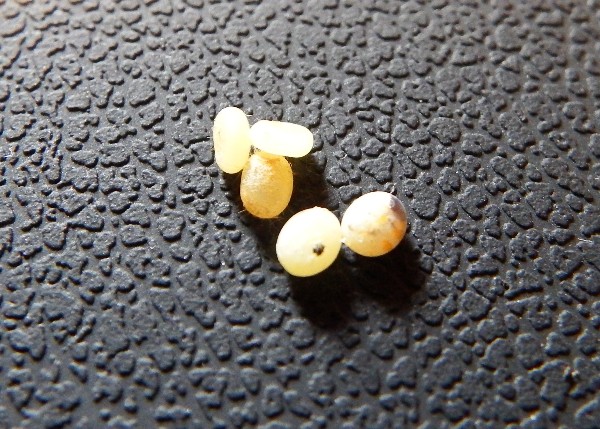
- Egg: Females lay large, flattened, yellowish-white eggs singly or in small clusters on the upper and lower surfaces of host plant leaves.

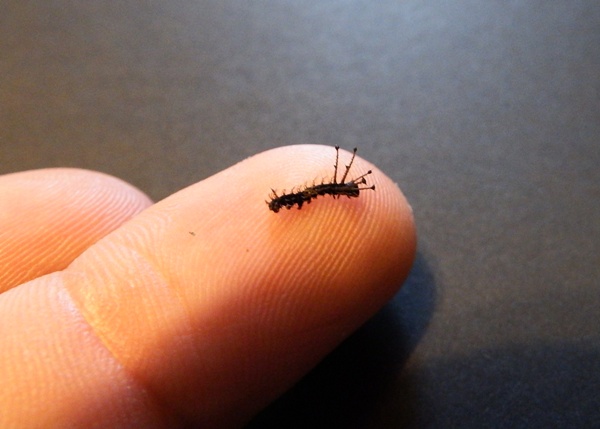
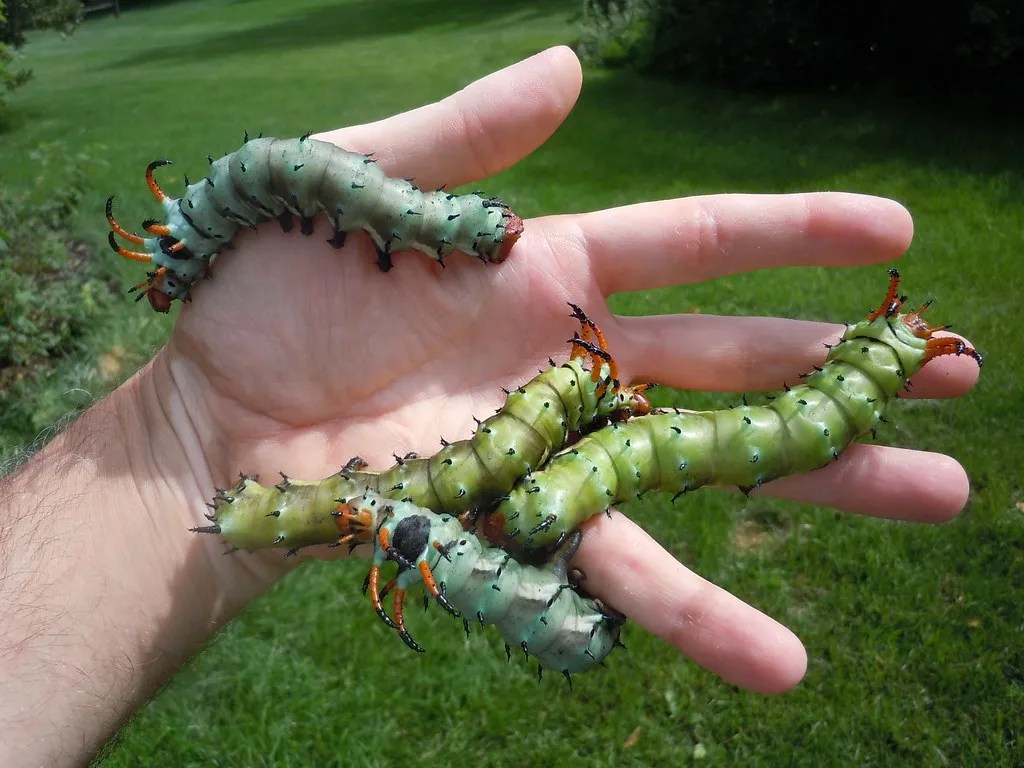
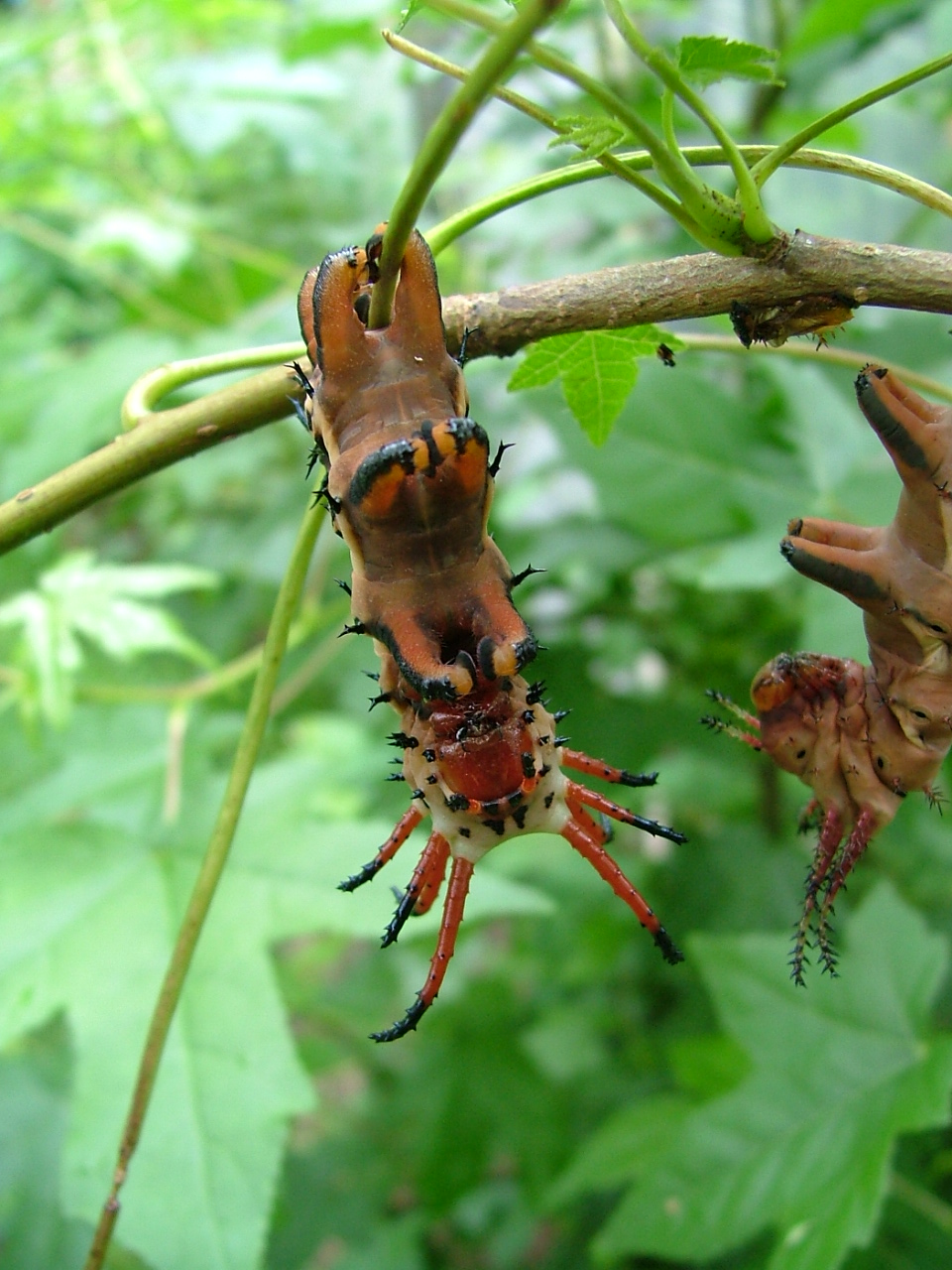
- Larva (Caterpillar): The larvae are famously known as “hickory horned devils.” They are among the largest caterpillars in North America, reaching up to 5-6 inches (13-15 cm) in length when fully grown. Early instars are smaller and often resemble bird droppings. As they mature, they become a vibrant green, with large, orange, horn-like projections (scoli) on their thoracic segments, and smaller black-tipped spines along their bodies. Despite their intimidating appearance, these “horns” are harmless and are simply a defense mechanism to deter predators. They are voracious feeders and can consume a significant amount of foliage.
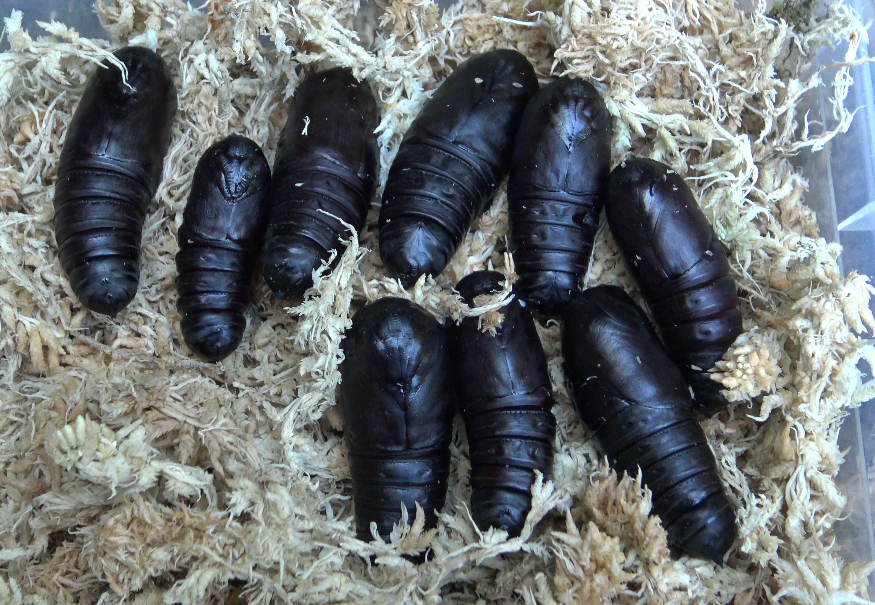
- Pupa (Chrysalis): Once fully grown, the larva descends from the host tree and burrows into the soil, sometimes several inches deep, to pupate within an earthen chamber. Unlike many other silk moths, it does not spin a silk cocoon. The pupa is a robust, dark brown form that overwinters in the soil, sometimes for more than one year.
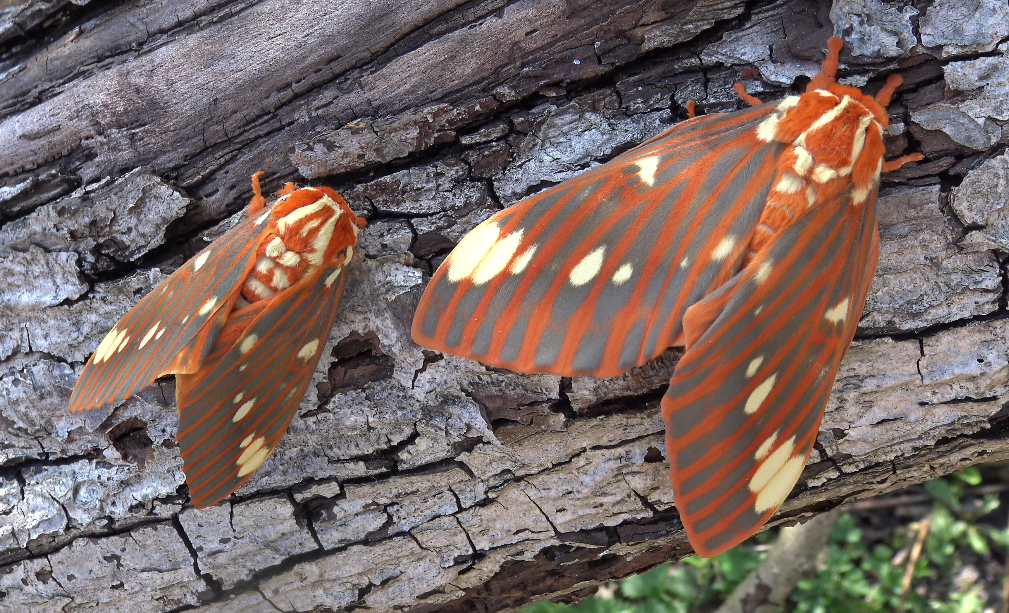
- Adult: The magnificent adult moths typically emerge in the summer, usually from late June through August. Like other giant silk moths, the adult regal moth possesses vestigial (non-functional) mouthparts and does not feed during its brief adult life. Its sole purpose is to find a mate and reproduce. Males are strong fliers, searching for females by detecting their pheromones.
Host Plants and Lack of Adult Feeding: A Palate for Hardwoods:
The caterpillars of the regal moth are polyphagous, feeding on a variety of deciduous trees, with a strong preference for members of the walnut and hickory families. Common host plants include:
- Hickories (Carya species)
- Walnuts (Juglans species)
- Sweetgum (Liquidambar styraciflua)
- Persimmon (Diospyros virginiana)
- Sumac (Rhus species)
- Ash (Fraxinus species)
The adult regal moths do not feed at all, relying on the energy reserves built up during their lengthy and extensive larval feeding stage. Their adult lifespan is very short, typically only a week or two, focused entirely on reproduction.
Behavior and Ecology: Nocturnal Giants and Ground-Dwelling Pupae:
The regal moth is primarily nocturnal, with adults becoming active at dusk and flying throughout the night. They are often attracted to bright lights. During the day, they typically rest with their wings spread, often camouflaged against tree bark.
The impressive size and appearance of both the larva and adult moth serve as deterrents to potential predators. The large, horned appearance of the caterpillar is a visual warning, while the bright colors of the adult moth act as aposematism. The subterranean pupation provides crucial protection from temperature extremes and predators during its long overwintering period.
Conservation Status and Threats: Facing Local Declines:
While the regal moth is broadly distributed, it has experienced significant local declines in various parts of its range, particularly in the northern and eastern regions. This decline is largely attributed to habitat loss, fragmentation, and degradation of mature deciduous forests. The widespread use of pesticides, particularly aerial spraying for gypsy moths and mosquitos, can also severely impact larval populations. Light pollution may also disorient nocturnal adults. Conservation efforts focused on preserving large, intact tracts of mature hardwood forests and reducing pesticide use are crucial for the long-term survival of this truly regal insect.
A Forest Jewel: The Enduring Allure of the Regal Moth:
The regal moth, with its magnificent size, striking coloration, and the transformation from the awe-inspiring “hickory horned devil” caterpillar, stands as a testament to the incredible diversity and beauty of North America’s forest ecosystems. Its presence is an indicator of healthy, mature woodlands. Encountering this royal visitor of the night is a cherished experience, a vivid reminder of the intricate and often threatened wonders that grace our natural world.
Discover more from
Subscribe to get the latest posts sent to your email.
 davethebugguy.org