

The Wild Silk Moths of North America: A Natural History of the Saturniidae of the United States and Canada by Paul M. Tuskes, James P. Tuttle, and Michael M. Collins, published by Cornell University Press, is a seminal work that delves into the captivating world of the Saturniidae family, commonly known as wild silk moths. This comprehensive book has become an indispensable resource for entomologists, researchers, students, and amateur collectors alike.
Comprehensive Coverage
The book covers approximately 70 species and subspecies of Saturniidae found in the United States and Canada. This includes some of the most iconic and visually stunning moths in North America, such as the Luna moth (Actias luna), the Cecropia moth (Hyalophora cecropia), and various species of Automeris. The authors’ extensive knowledge and years of field experience are evident throughout the text, providing readers with accurate and in-depth information.
Detailed Species Accounts
One of the book’s greatest strengths lies in its detailed species accounts. Each species is given ample coverage, typically spanning one or more pages. These accounts include an overview of the species’ natural history, behavior, and ecological significance. They also provide precise descriptions of the adult moth’s morphology, including size, coloration, and distinctive features. Information on geographical variation within the species, as well as its life cycle, habitat preferences, and host plant associations, is also included. Detailed descriptions of the egg, larval (caterpillar), and pupal stages, often accompanied by photographs, are provided. Finally, each account offers practical advice and techniques for raising and caring for the species in captivity, along with clear and accurate maps showing the geographical distribution of each species within North America.
Stunning Visuals
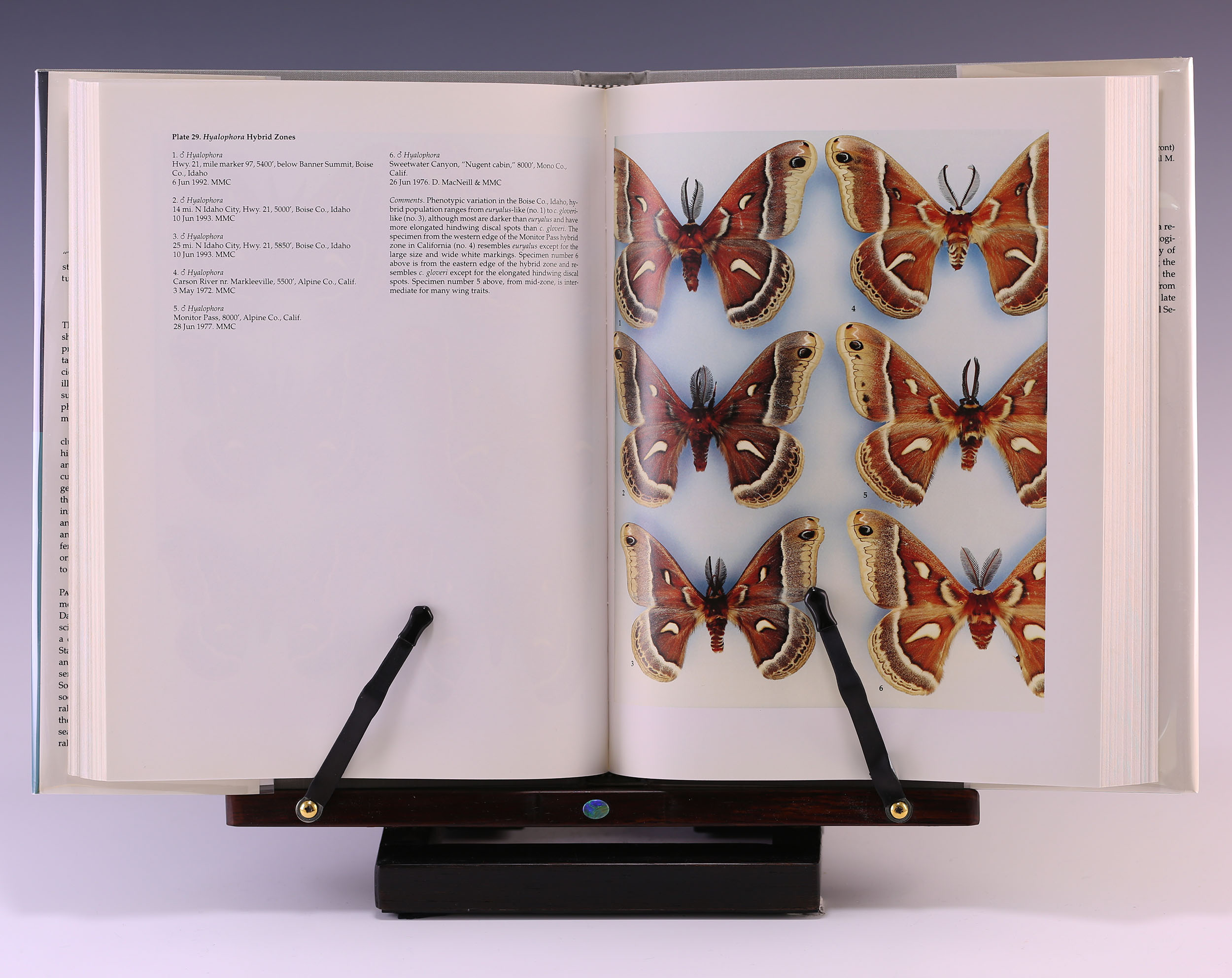
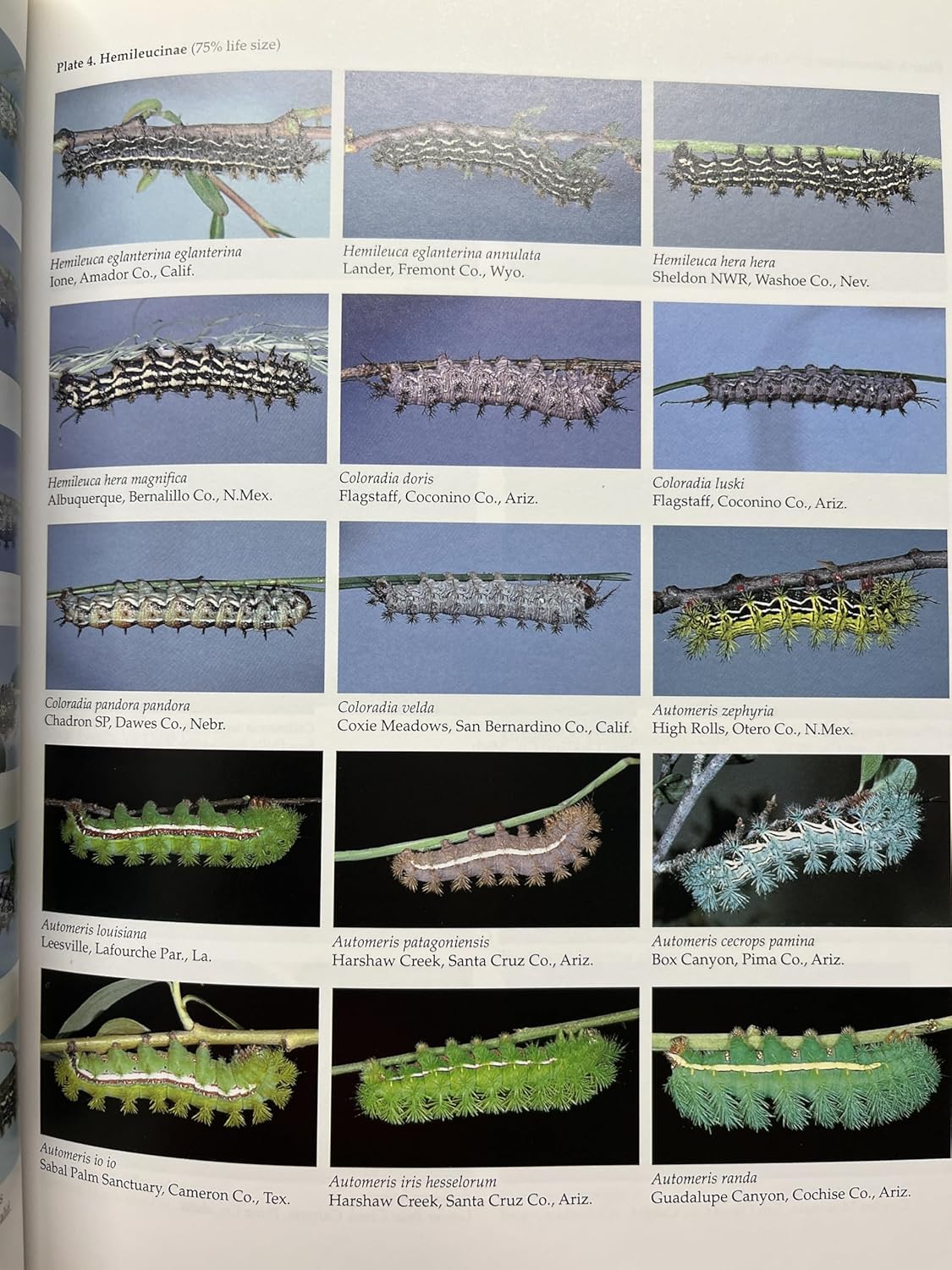
The book is richly illustrated, making it both informative and visually appealing. Thirty high-quality color plates showcase life-size images of adult moths, allowing for accurate identification and appreciation of their beauty. The color plates are exceptional, capturing the intricate details and subtle variations in coloration that are crucial for identification. Photographs of the last instar caterpillars for nearly every species provide valuable information on their appearance and morphology. Additional black and white photographs illustrate various aspects of Saturniidae behavior, ecology, and morphology. Detailed line drawings of cocoons and other relevant anatomical features are also included.

In-Depth Natural History
Beyond the species accounts, the book offers a wealth of information on the general biology of Saturniidae. Key topics covered include detailed information on the physical structure, classification, and evolutionary relationships of silk moths, as well as a thorough explanation of the complete life cycle of these insects, from egg to adult. The book also provides insights into the fascinating behaviors of silk moths, including mating rituals, feeding habits, and defense mechanisms, and discussions of the various parasites and diseases that affect Saturniidae populations. An exploration of the diverse reproductive and survival strategies employed by these moths, along with information on population dynamics, distribution patterns, and factors affecting their abundance, is included. The book offers practical guidance for those interested in studying or raising silk moths, including ethical collecting practices and rearing techniques. Finally, it provides an exploration of the historical and cultural significance of silk moths, including their role in silk production and their presence in art and mythology.
Scholarly Rigor
The book is characterized by its scholarly rigor, with meticulous attention to detail and extensive referencing. The authors draw upon a vast body of scientific literature, and the text is supported by a comprehensive bibliography. This ensures that the information presented is accurate, up-to-date, and well-supported by evidence.
Target Audience
The Wild Silk Moths of North America is a valuable resource for a wide audience, including entomologists and researchers, for whom the detailed species accounts, comprehensive coverage of Saturniidae biology, and extensive bibliography make it an essential reference. Students will find that the clear and accessible writing style, combined with the stunning visuals, makes it an excellent educational resource for those studying entomology or related fields. Naturalists and amateur collectors will find that the book provides the necessary information for identifying, appreciating, and studying these magnificent moths in their natural habitats, and offers guidance for responsible collecting and rearing. Conservationists will find that the information on the life history, ecology, and threats faced by these moths is valuable for conservation efforts.
Conclusion
The Wild Silkmoths of North America is a landmark publication that sets the standard for the study of Saturniidae in North America. Its comprehensive coverage, detailed species accounts, stunning visuals, and scholarly rigor make it an indispensable resource for anyone with an interest in these magnificent insects. It is a testament to the authors’ expertise and dedication, and a valuable contribution to the field of entomology. Unfortunately, this must-have book is out of print, with no immediate plans to be updated or republished. On occasion, copies do show up on eBay and ThriftBooks.com.
Don’t forget to check out my other Buggy Book Reviews!
Discover more from
Subscribe to get the latest posts sent to your email.
 davethebugguy.org