
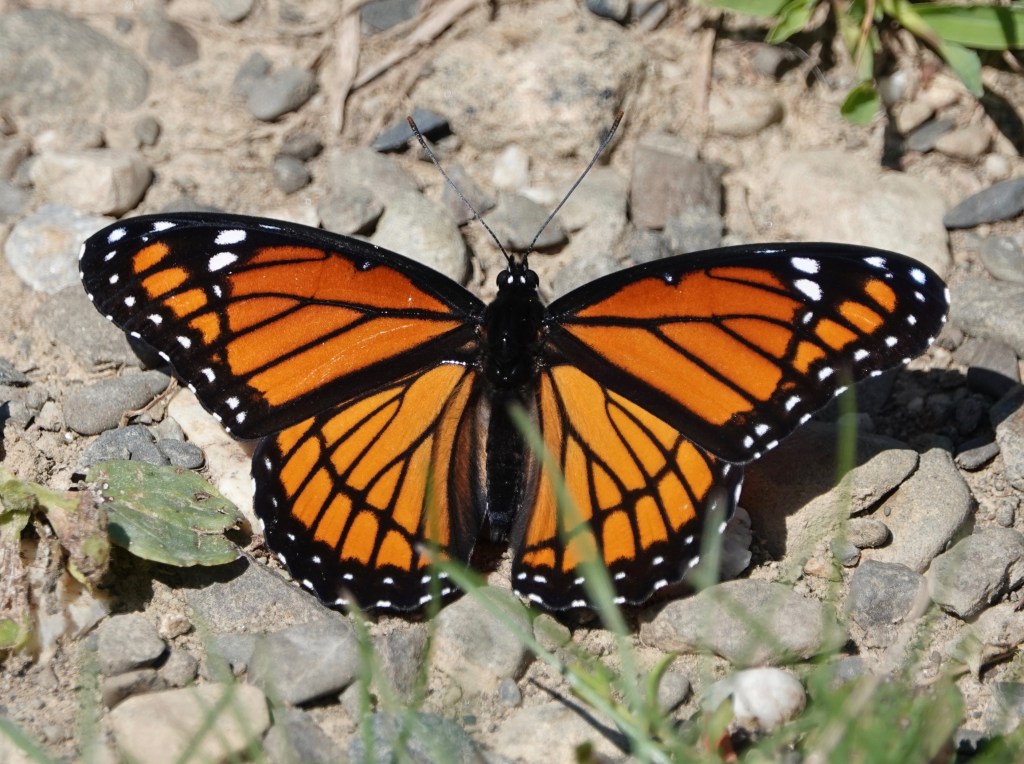
Fluttering through open woodlands, fields, and along roadsides across much of North America is the viceroy butterfly, scientifically known as Limenitis archippus. While often mistaken for its toxic look-alike, the monarch, the viceroy possesses its own fascinating characteristics, including a remarkable evolutionary adaptation for survival: Batesian mimicry. This striking butterfly offers a compelling example of nature’s ingenuity in the face of predation.
A Familiar Facade: Appearance and Subtle Differences:
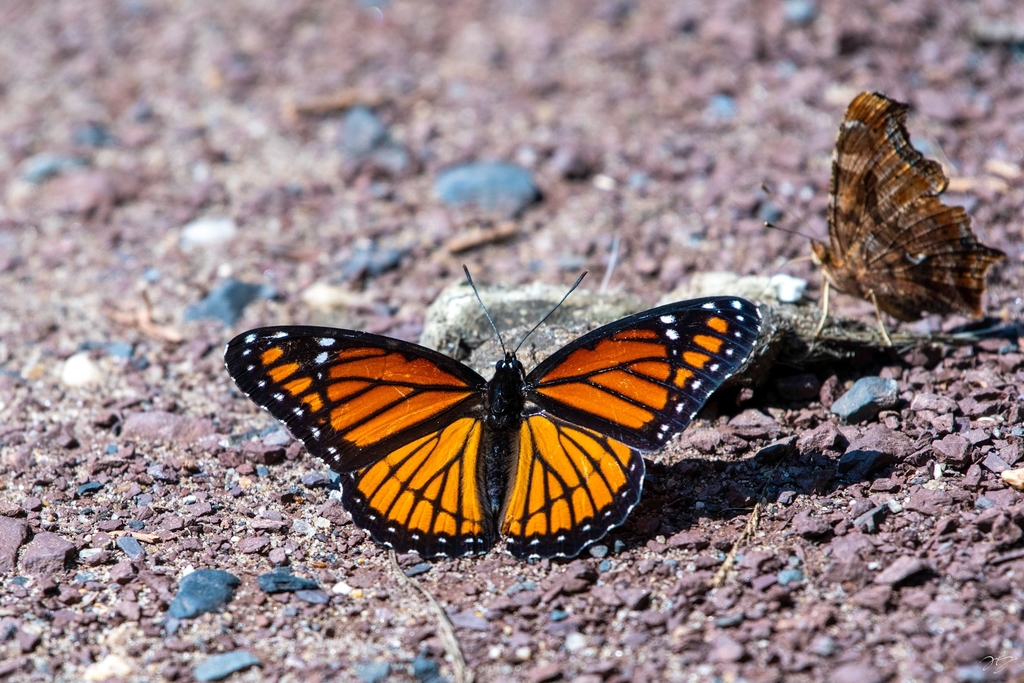
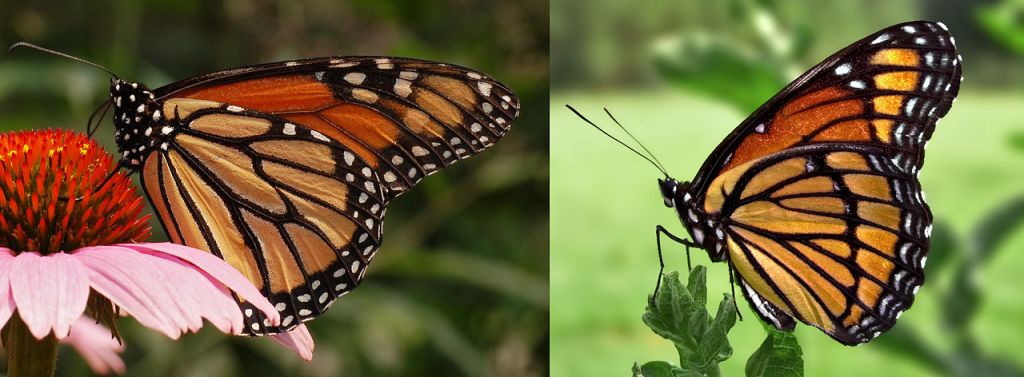
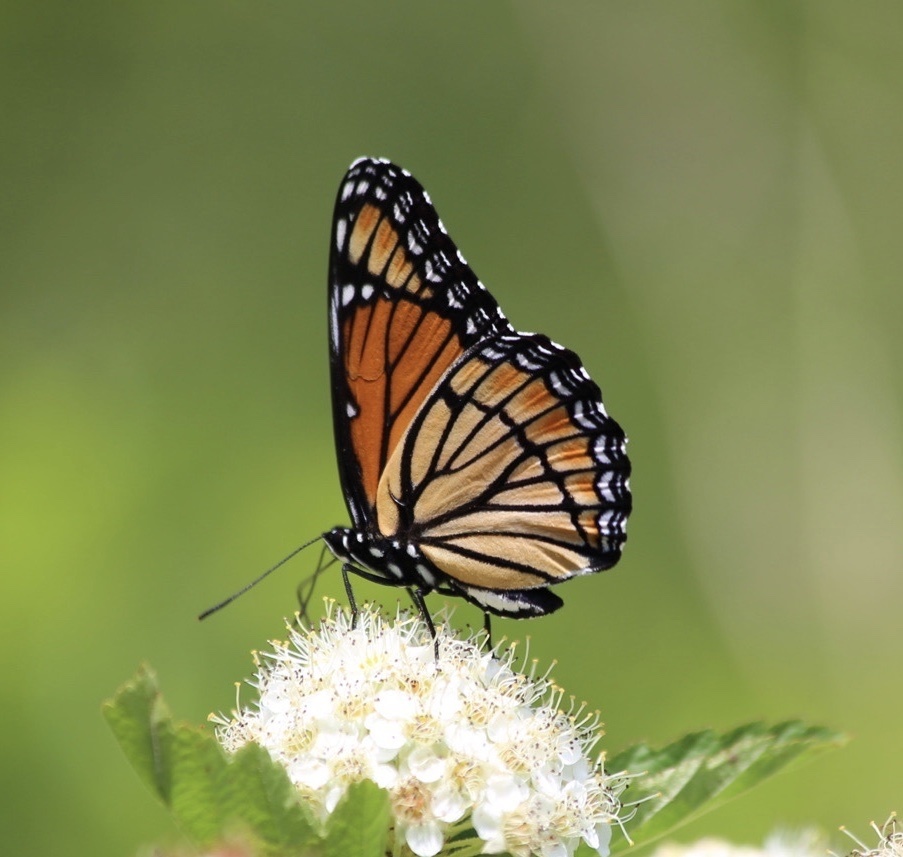
At first glance, the viceroy bears a striking resemblance to the monarch butterfly (Danaus plexippus). Both species share a similar size, with wingspans typically ranging from 2.5 to 3 inches (6.4 to 7.6 cm), and a comparable wing pattern of orange with black veins and a black border containing white spots. However, upon closer inspection, a key distinguishing feature becomes apparent: the viceroy possesses a horizontal black line that cuts across the veins on its hindwings. This postmedian line is absent in the monarch.
The viceroy’s overall orange hue can sometimes be a richer, more reddish-orange than that of the monarch. Additionally, the black border on the viceroy’s hindwings may be thinner than on the monarch. These subtle differences, while often overlooked, are crucial for identification and understanding the dynamics of their mimicry relationship.
Distribution and Habitat: A Continent-Spanning Presence:
The viceroy butterfly enjoys a wide distribution across North America, extending from southern Canada throughout most of the United States (excluding the far Southwest and parts of the Pacific coast) and into Mexico. This adaptable butterfly thrives in a variety of open habitats, including meadows, fields, marshes, willow thickets, and along roadsides where its larval host plants are found. Its broad range reflects its ability to utilize a variety of willow and poplar species as food sources for its caterpillars.
Life Cycle: A Transformation Tied to Willow and Poplar:
The life cycle of Limenitis archippus follows the typical four stages of butterfly metamorphosis: egg, larva (caterpillar), pupa (chrysalis), and adult.
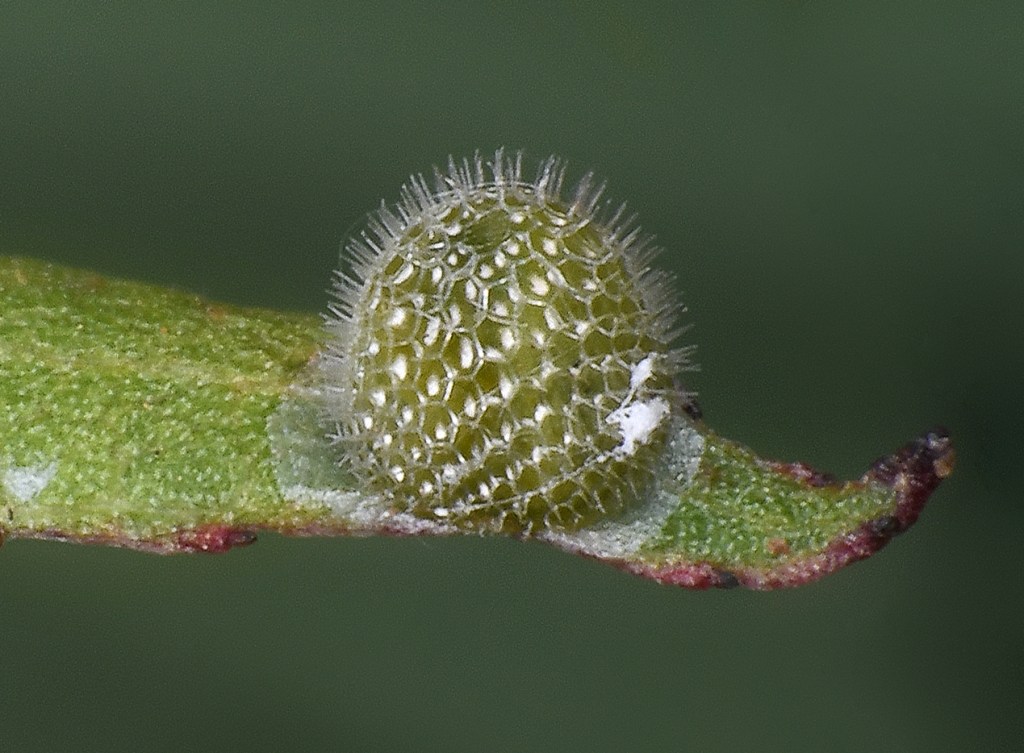
- Egg: Female viceroys lay small, greenish-brown eggs singly at the tips of host plant leaves, often on willows or poplars.
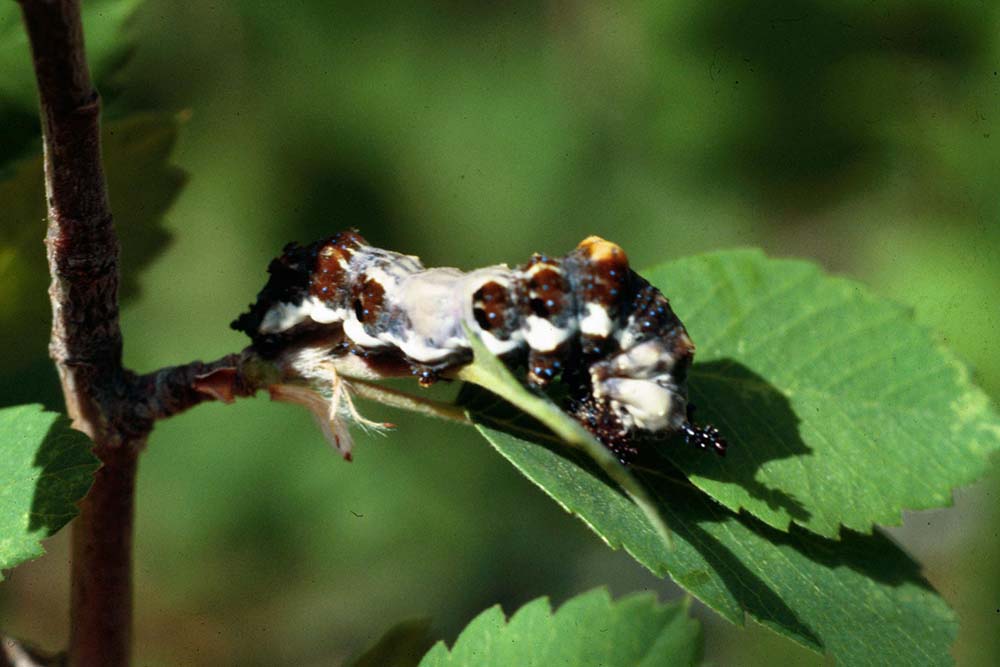
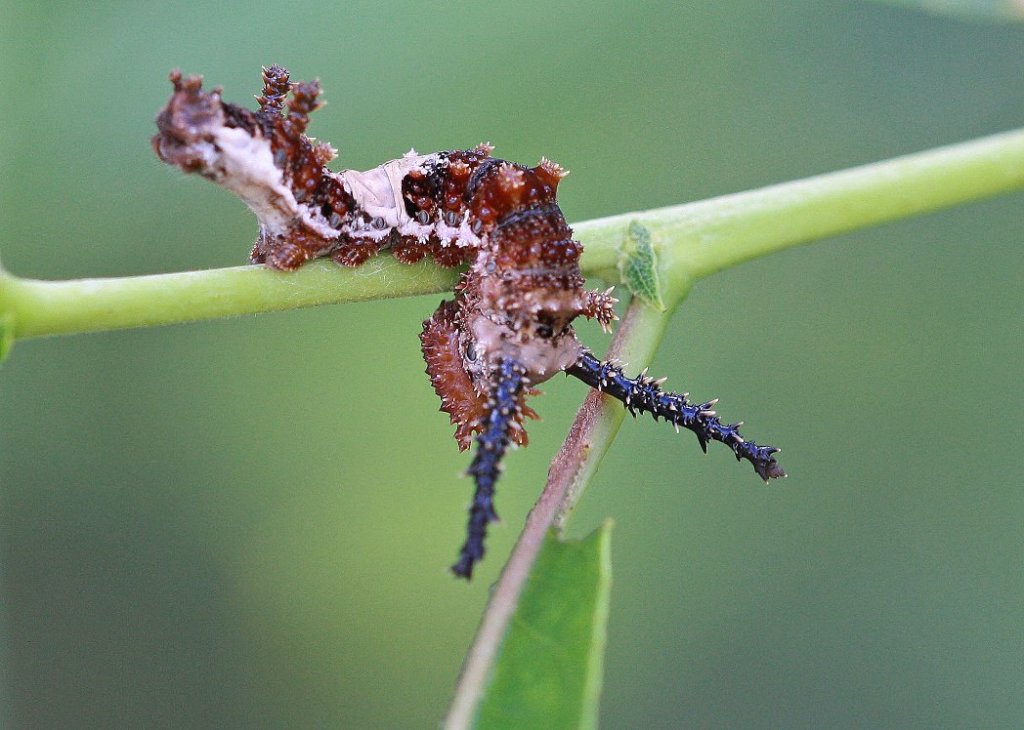
- Larva (Caterpillar): The caterpillars of the viceroy are rather unique in appearance. Young larvae are brownish with a saddle-shaped patch. As they mature, they develop a more cryptic appearance, often resembling bird droppings or twigs. They have a pair of knobby projections on their thorax and a humped appearance. A fascinating adaptation of the viceroy larva is its ability to incorporate parts of the host plant into its appearance for camouflage.
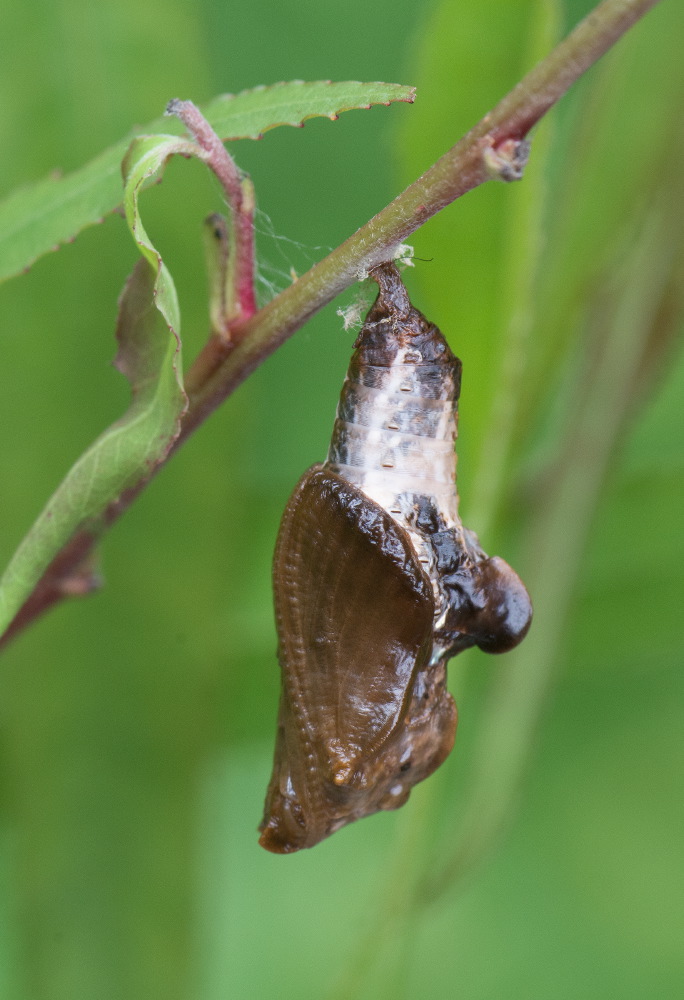
- Pupa (Chrysalis): The chrysalis of the viceroy is also distinctive. It is typically brown or gray and has a curved, saddle-like shape with several prominent projections. It is suspended from a twig or leaf of the host plant. Interestingly, the chrysalis often mimics a dead leaf or a bird dropping, providing camouflage from potential predators.
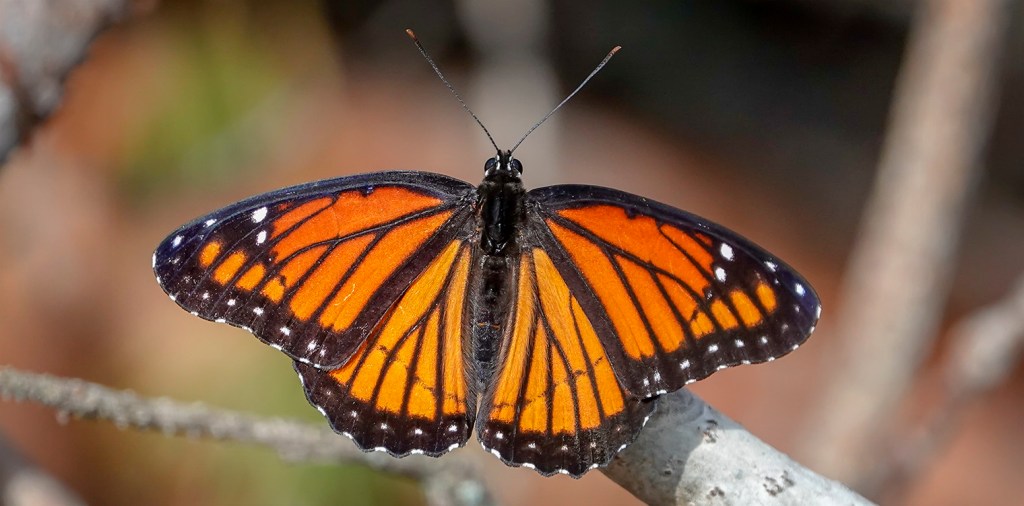
- Adult: Adult viceroys emerge from the chrysalis and are strong fliers, often seen gliding gracefully through their open habitats. They are typically active during the warmer months, and in warmer regions, there can be multiple broods per year.
Host Plants and Nectar Sources: A Preference for Willow and a Sweet Tooth:
The larval host plants of the viceroy butterfly primarily belong to the willow ( Salix) and poplar (Populus) families. Some common host plants include:
- Willows (Salix species)
- Poplars (Populus species)
- Aspens (Populus species)
Adult viceroys feed on nectar from a variety of flowers, including asters, milkweeds, thistles, and other common wildflowers. They are also known to feed on tree sap, rotting fruit, and even animal droppings, demonstrating a less exclusive diet than some other butterflies.
Behavior and Ecology: The Art of Deception:
The most remarkable aspect of the viceroy butterfly’s ecology is its role as a Batesian mimic of the monarch butterfly. Monarch caterpillars feed on milkweed plants, which contain toxic cardiac glycosides. These toxins are retained in the adult monarch, making it distasteful and emetic (causing vomiting) to many predators, particularly birds. Predators that have had a negative experience with a monarch are likely to avoid other butterflies with similar coloration and wing patterns.
The viceroy, while not toxic itself (its host plants do not contain the same toxins), has evolved to closely resemble the monarch, thus gaining protection from predators that have learned to avoid monarchs. This form of mimicry, where a palatable species evolves to resemble an unpalatable one, is a powerful example of natural selection.
Interestingly, some research suggests that the viceroy may not be a perfect example of classical Batesian mimicry. There is evidence that viceroy butterflies themselves may also be somewhat unpalatable to certain predators, possibly due to salicylates (aspirin-like compounds) derived from their willow host plants. This could mean the relationship is more complex, potentially leaning towards Müllerian mimicry, where two or more unpalatable species evolve to resemble each other, reinforcing the warning signal to predators.
Conservation Status and Threats: A Common Sight, But Habitat Matters:
The viceroy butterfly is currently considered a common and widespread species throughout much of its range and is not facing significant conservation threats overall. However, habitat loss and degradation, particularly the destruction of wetlands and riparian areas where willows and poplars thrive, could impact local populations. The widespread use of pesticides can also pose a threat to butterfly populations in general. Maintaining healthy ecosystems with an abundance of host plants and nectar sources is crucial for the continued success of this fascinating mimic.
A Living Deception in the Landscape:
The viceroy butterfly, with its striking resemblance to the monarch and its clever evolutionary strategy of mimicry, is a captivating member of North America’s butterfly fauna. Its widespread distribution and adaptability make it a familiar sight, yet its underlying ecological interactions reveal the intricate and often surprising ways in which species evolve and interact within their environment. Observing the viceroy is a reminder that nature’s beauty is often intertwined with remarkable stories of survival and adaptation.
Discover more from
Subscribe to get the latest posts sent to your email.
 davethebugguy.org