
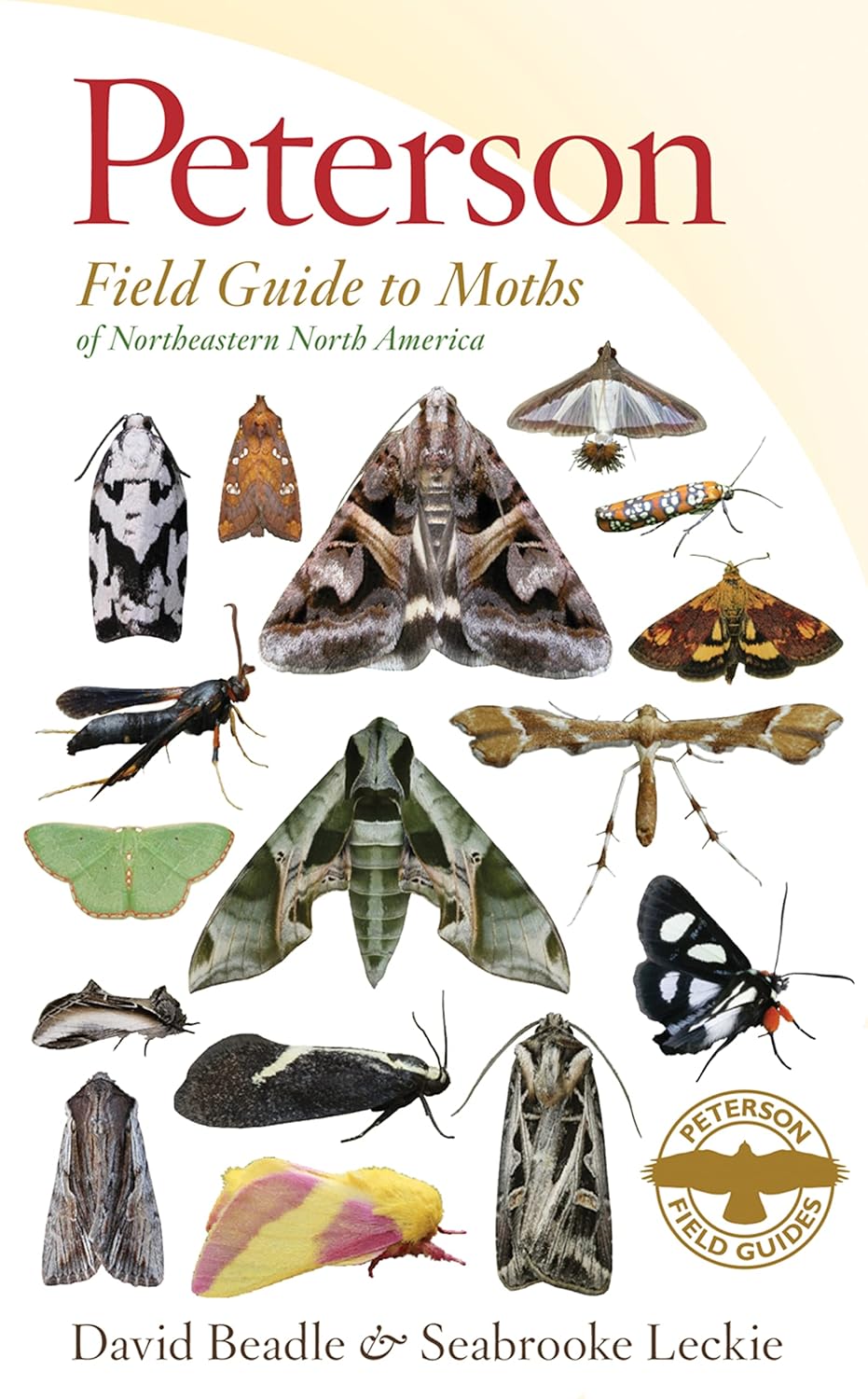
The Peterson Field Guide to Moths of Northeastern North America by David Beadle and Seabrooke Leckie is a truly exceptional resource, and a must-have for anyone with an interest in the often-overlooked world of moths. This guide stands out not only for its comprehensive coverage but also for its user-friendly design and stunning visuals.

Here’s a breakdown of what makes this field guide so remarkable:
- Comprehensive Coverage: The guide covers a vast number of moth species found in Northeastern North America. It includes the most commonly encountered species, ensuring that both beginners and experienced enthusiasts can reliably identify their local moths. The sheer number of species cataloged is impressive, highlighting the incredible diversity of these creatures.
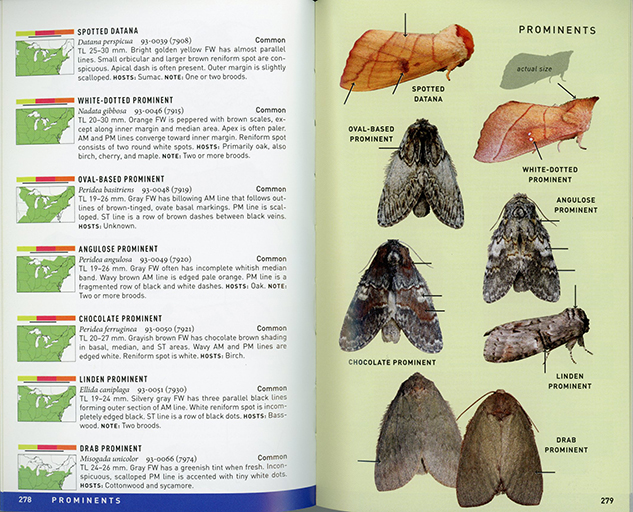
- Stunning Visuals: One of the guide’s greatest strengths is its use of high-quality photographs. The images are sharp, clear, and beautifully reproduced, capturing the intricate details and colors of each moth. The authors have taken great care to present the moths in their natural resting positions, which is crucial for accurate identification. The photos are so well-done, they often reveal the hidden beauty of moths, which many people don’t realize.
- User-Friendly Design: True to the Peterson Field Guide series, this book employs the renowned Peterson Identification System. This system, with its use of arrows and concise annotations, makes identifying moths straightforward, even for those new to moth watching. The layout of the book is also excellent, with images and text placed close together, making it easy to cross-reference information.
- Helpful Information: In addition to the photographs and identification aids, the guide provides a wealth of supplementary information. This includes details on the size, range, and seasonal occurrence of each species. Range maps and flight-season graphs are particularly useful, giving a quick visual summary of when and where to find specific moths. The guide also includes information about habitat and host plants, which can further aid in identification and understanding moth ecology.
- Engaging Introduction: The introductory sections of the book are well-written and engaging, providing helpful tips on how to attract and observe moths. This section can inspire even casual nature enthusiasts to take a closer look at these fascinating insects.
In summary, the Peterson Field Guide to Moths of Northeastern North America is a triumph. It combines scientific rigor with accessibility, making it an invaluable resource for anyone interested in moths. Whether you’re a seasoned lepidopterist or a curious beginner, this guide will undoubtedly enhance your appreciation for the beauty and diversity of these often-misunderstood creatures. It’s a book that you’ll refer to time and time again.
If you’d like to add this amazing book to your library, click on the book cover below.

Discover more from
Subscribe to get the latest posts sent to your email.
 davethebugguy.org