
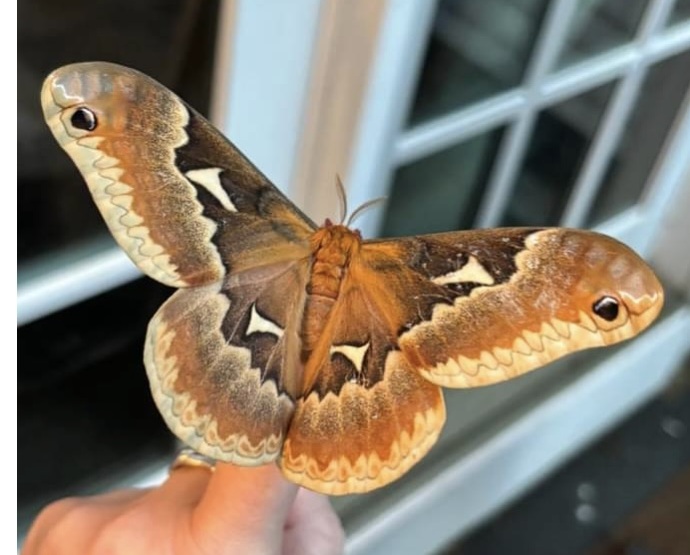
Callosamia angulifera, commonly known as the Tulip-tree Silkmoth or Giant Silkmoth, is a captivating member of the Saturniidae family, a group renowned for their large size and striking wing patterns. This magnificent moth graces the woodlands of eastern North America, its life cycle intricately linked with the elegant tulip tree.
Distribution and Habitat
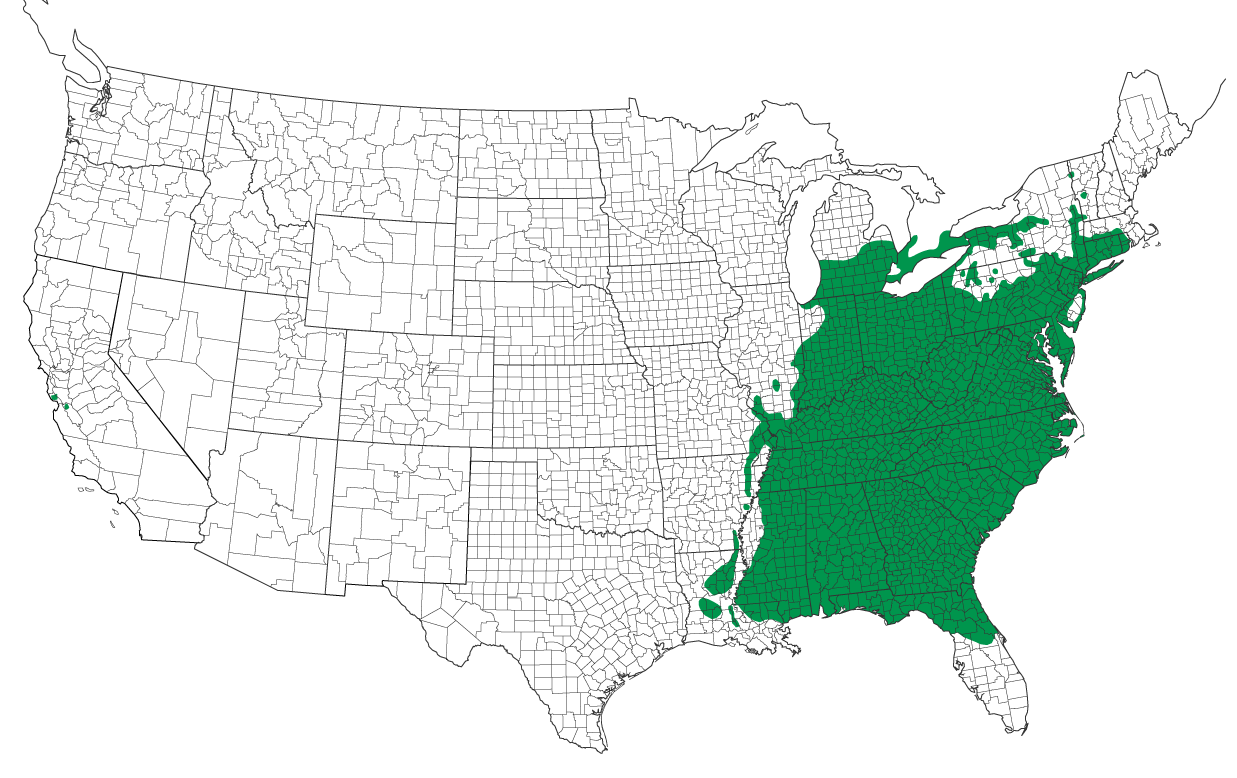
The range of Callosamia angulifera extends across eastern North America, from Massachusetts westward through central New York, southern Ontario, and southern Michigan to central Illinois. Its southern distribution reaches down to the Florida panhandle and Mississippi. This distribution closely mirrors that of its primary host plant, the tulip tree (Liriodendron tulipifera), a majestic hardwood found in deciduous woodlands. While primarily associated with mesic to dry-mesic hardwood forests, particularly those with rich soils favored by tulip trees, the moth can also be found in floodplains and even suburban areas where its host plant thrives.
Physical Characteristics
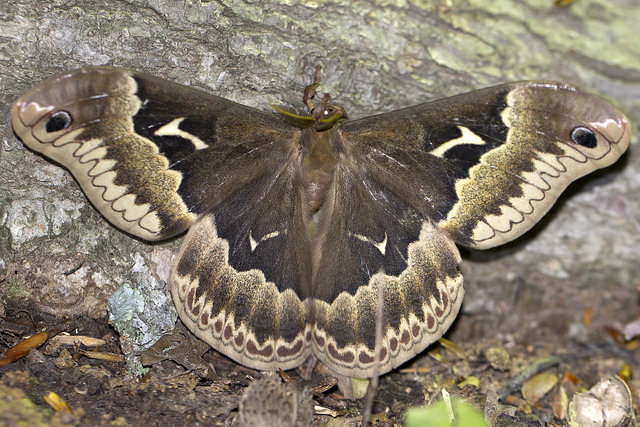
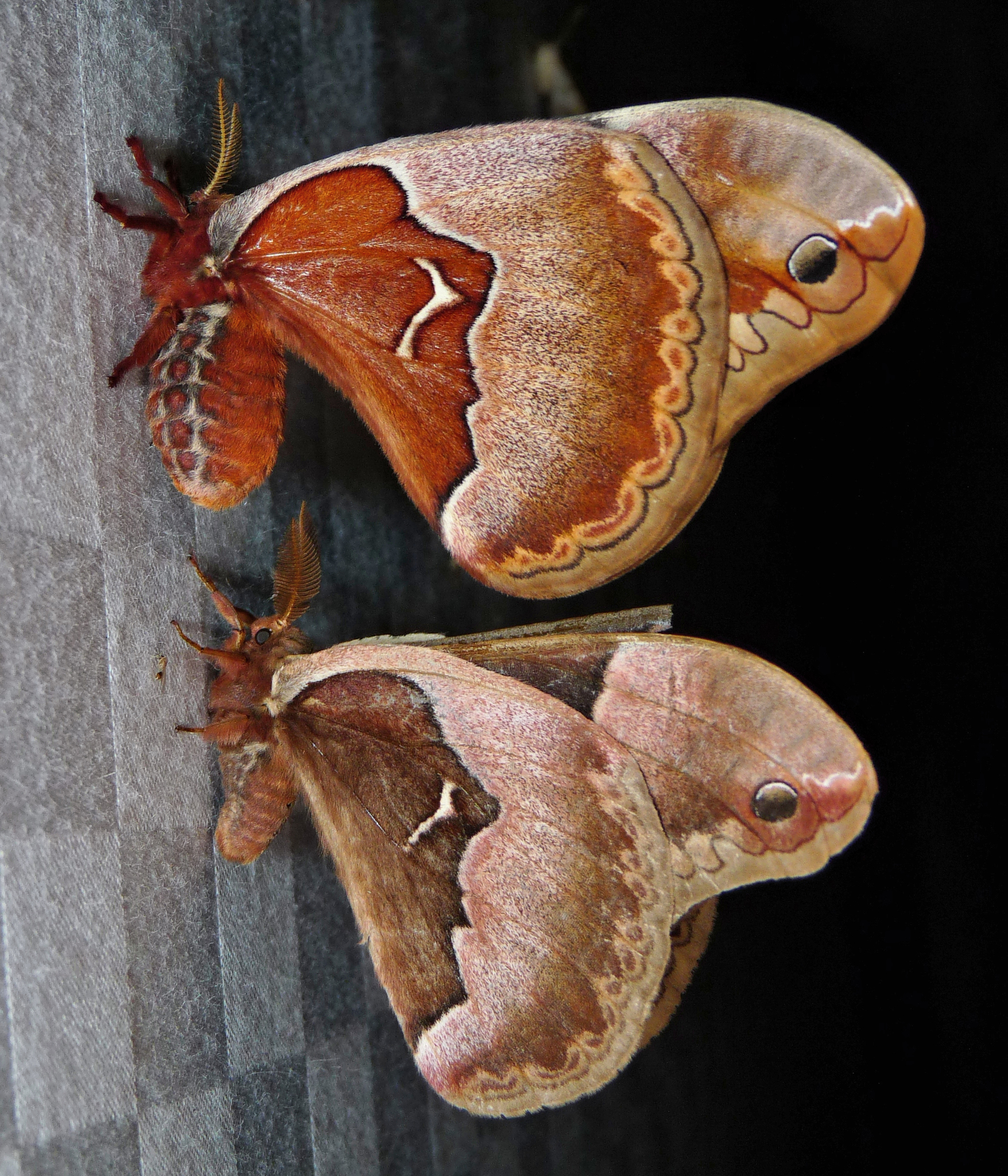
Callosamia angulifera is a large and impressive moth, boasting a wingspan ranging from 80 to 110 mm (approximately 3.1 to 4.3 inches). A notable characteristic of this species is its sexual dimorphism, with males and females exhibiting distinct differences in appearance.
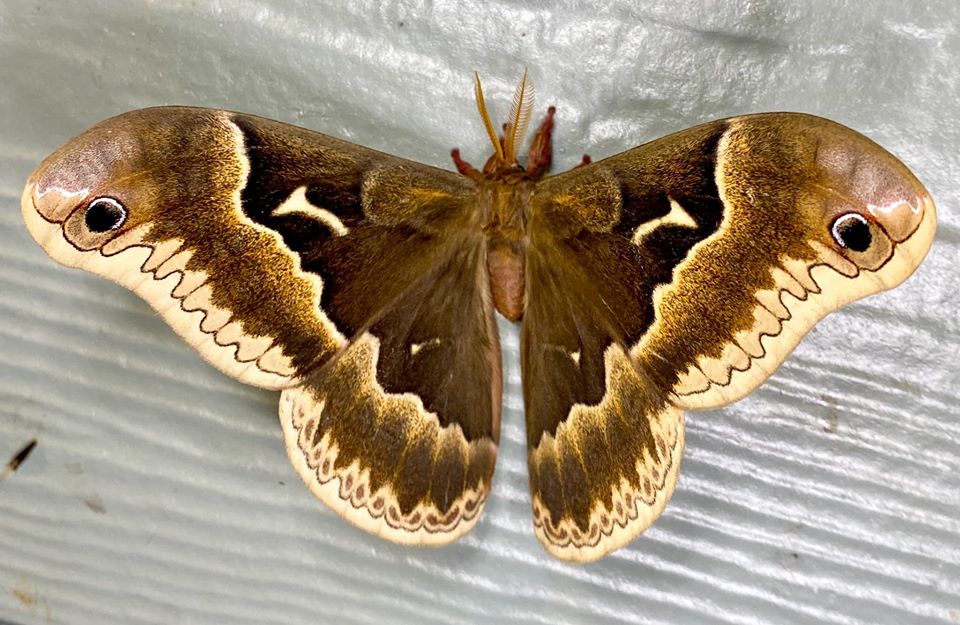
Males: The upperside of the male’s wings is typically brown with angular white cell spots present on all wings. A striking contrast exists between the basal and outer portions of the wings, adding to their intricate pattern. The underside features a light pink band along the outer edge of the postmedian line.
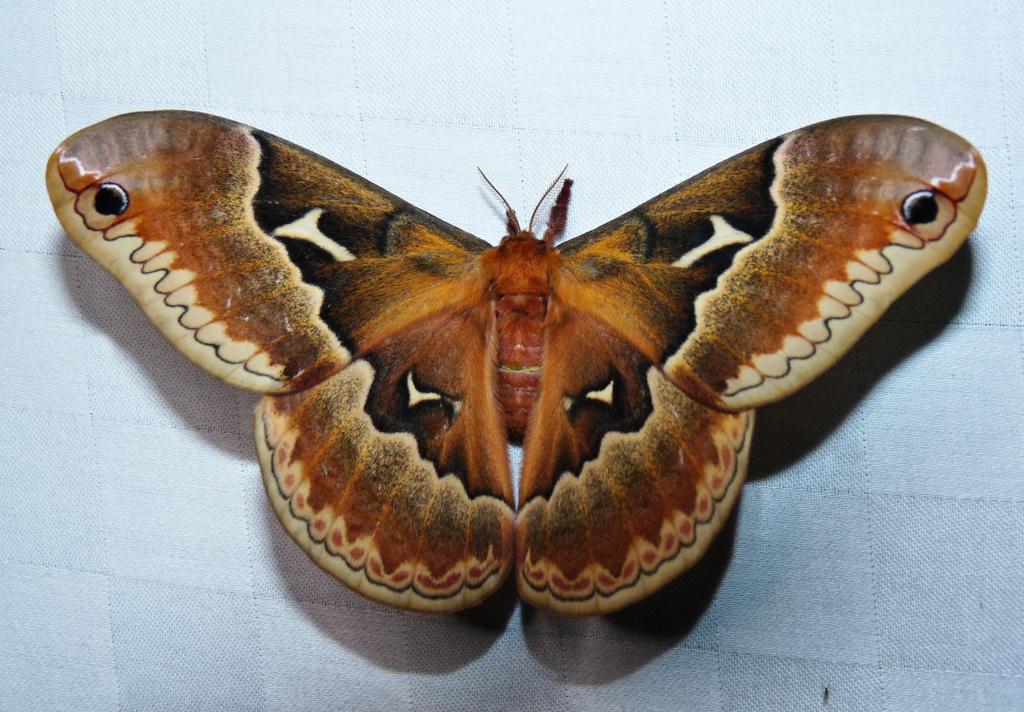
Females: Females display a yellowish-brown or orange-brown hue on the upperside of their wings. The angular white cell spots are most prominent on the forewings. The underside of the hindwing showcases a rich mahogany red in its darkest areas.
Both sexes share a wavy, light-colored postmedial line across all wings and a distinctive “T-shaped” discal spot near the center of each wing, which is notably larger on the forewings. Additionally, the forewings each bear a dark eyespot near the apex. Interestingly, individuals of the summer brood tend to be darker in coloration compared to those of the spring brood.
Life Cycle
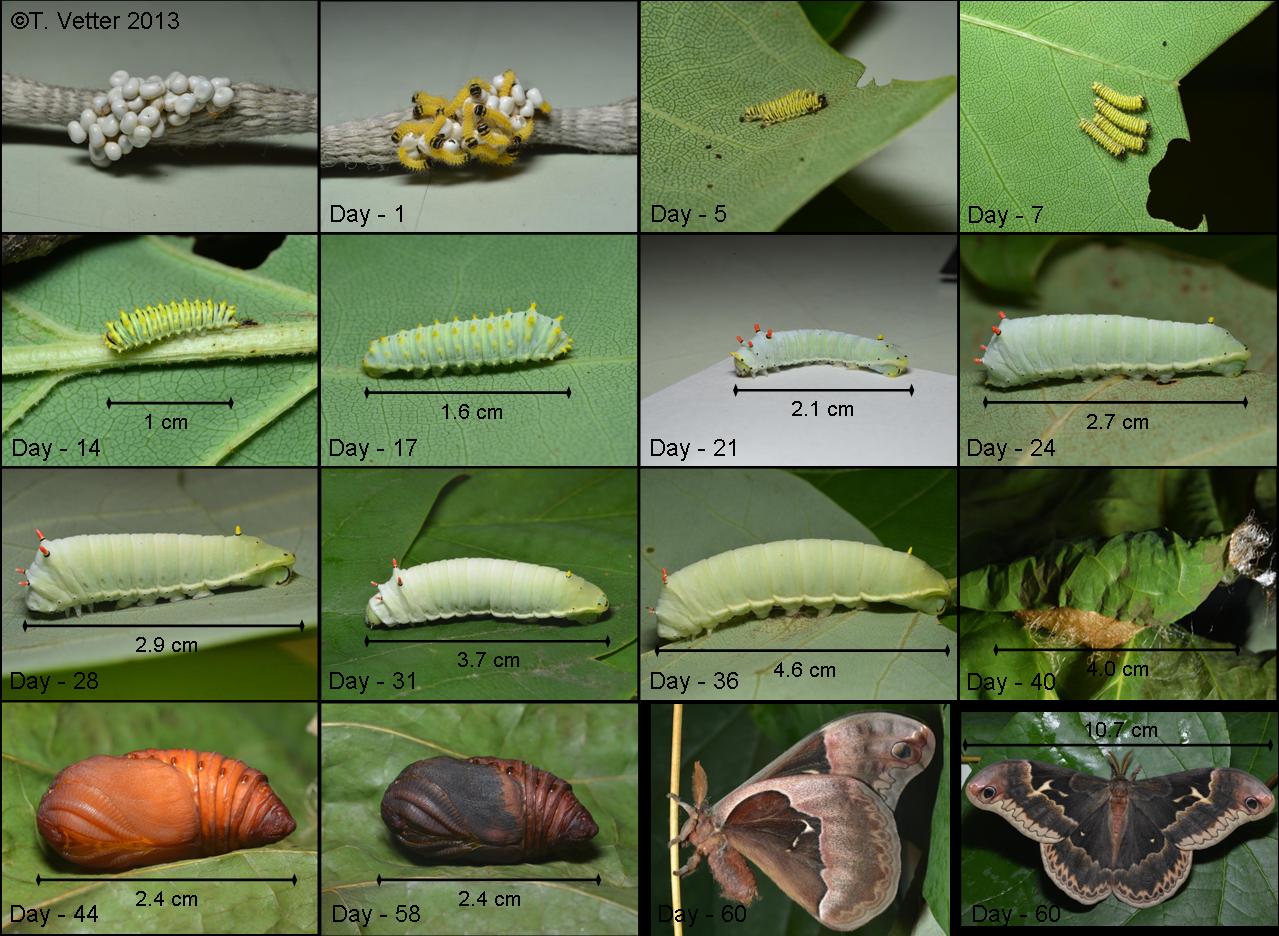
The life cycle of Callosamia angulifera involves complete metamorphosis, passing through four distinct stages: egg, larva (caterpillar), pupa (chrysalis), and adult moth.

Egg: Mating typically occurs between dusk and midnight, with peak activity around 10 PM. The following evening at dusk, the female moth lays her eggs in neat rows of 4 to 10 on the leaves of tulip trees. These small eggs hatch in approximately one week, giving rise to the larval stage.

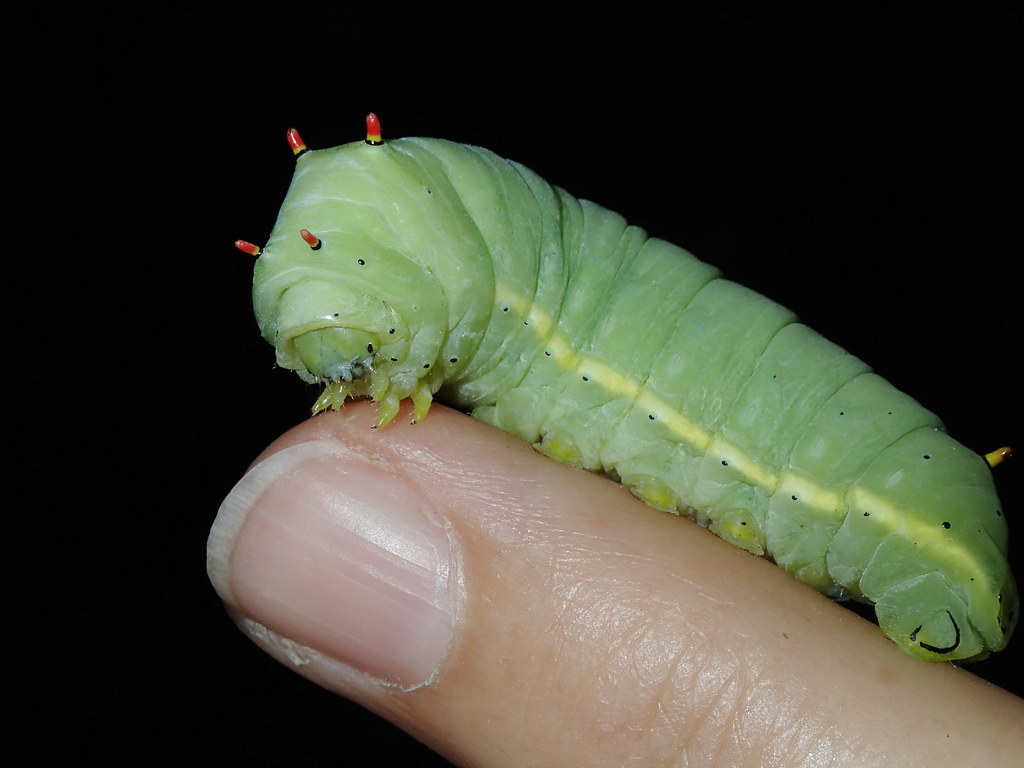
Larva (Caterpillar): Young caterpillars are gregarious, feeding together in groups on the tulip tree foliage. As they mature, they become solitary. The larvae are characterized by their vibrant green color, adorned with four prominent red spurs near the head and a single yellow spur towards the rear. Notably, older caterpillars avoid consuming the main vein of the leaf.
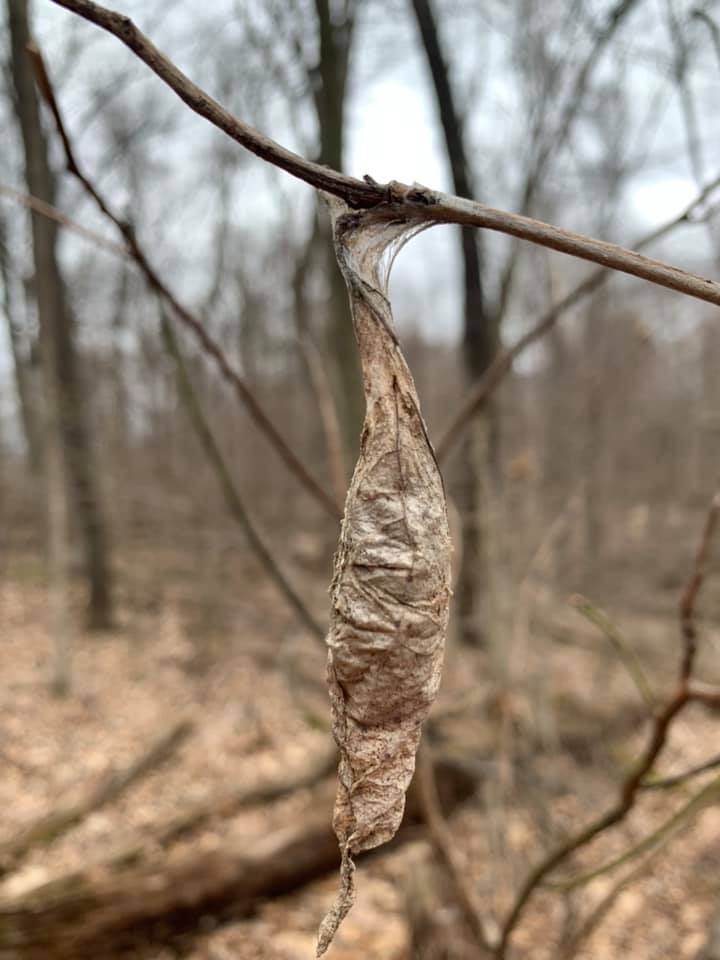
Pupa (Chrysalis): Once the larva has reached its full size, it spins a dark brown, silken cocoon, often within a curled tulip tree leaf. This cocoon is not firmly attached to the twig and eventually falls to the ground, where it overwinters, providing protection during the colder months.
Adult Moth: Depending on the geographic location, Callosamia angulifera may have one or two broods per year. In the northern part of its range, a single brood flies from June to August. Further south, two broods emerge, one in March-April and another in August. The adult moths are nocturnal and, like other silkmoths, do not feed, as they lack functional mouthparts. Their sole purpose is reproduction. Males are attracted to females by pheromones released into the night air, and mating typically occurs between dusk and midnight. The adult lifespan is relatively short, usually lasting only about a week.
Ecological Significance
The larvae of Callosamia angulifera primarily feed on the leaves of the tulip tree (Liriodendron tulipifera), making this tree a crucial component of their life cycle. While some sources suggest they may occasionally feed on other hardwoods like black cherry (Prunus serotina) and sassafras (Sassafras albidum), the tulip tree remains their primary host. The adult moths, due to their lack of feeding, play a role in pollination only incidentally through their movements.
Conservation Status
Currently, Callosamia angulifera is generally considered demonstrably secure globally, although it may be quite rare in certain parts of its range, particularly at the periphery. While local populations may be vulnerable to factors such as weather events, disease outbreaks, parasites, predators, and the effects of pesticides and artificial lights, the commonness of their host plant and their wide habitat range contribute to their ability to recover from such losses.
Conclusion
Callosamia angulifera, the Tulip-tree Silkmoth, stands as a testament to the beauty and complexity of the natural world. Its striking appearance, fascinating life cycle intricately linked to the tulip tree, and its role within eastern North American ecosystems make it a captivating subject of study and a wonder to behold for those fortunate enough to encounter it in its woodland habitat.
Discover more from
Subscribe to get the latest posts sent to your email.
 davethebugguy.org