
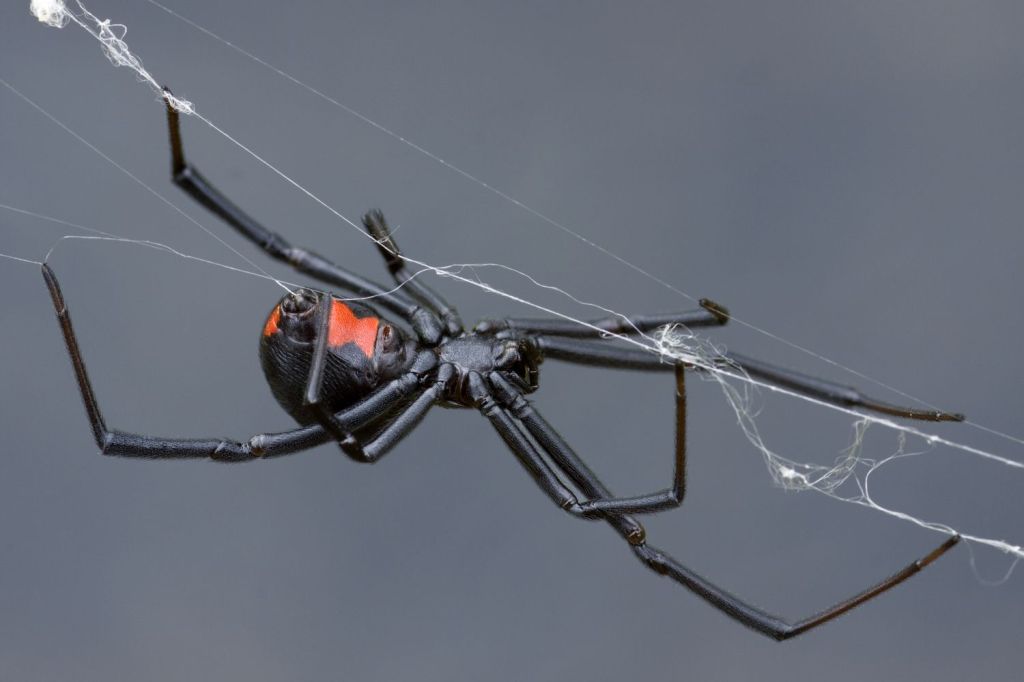
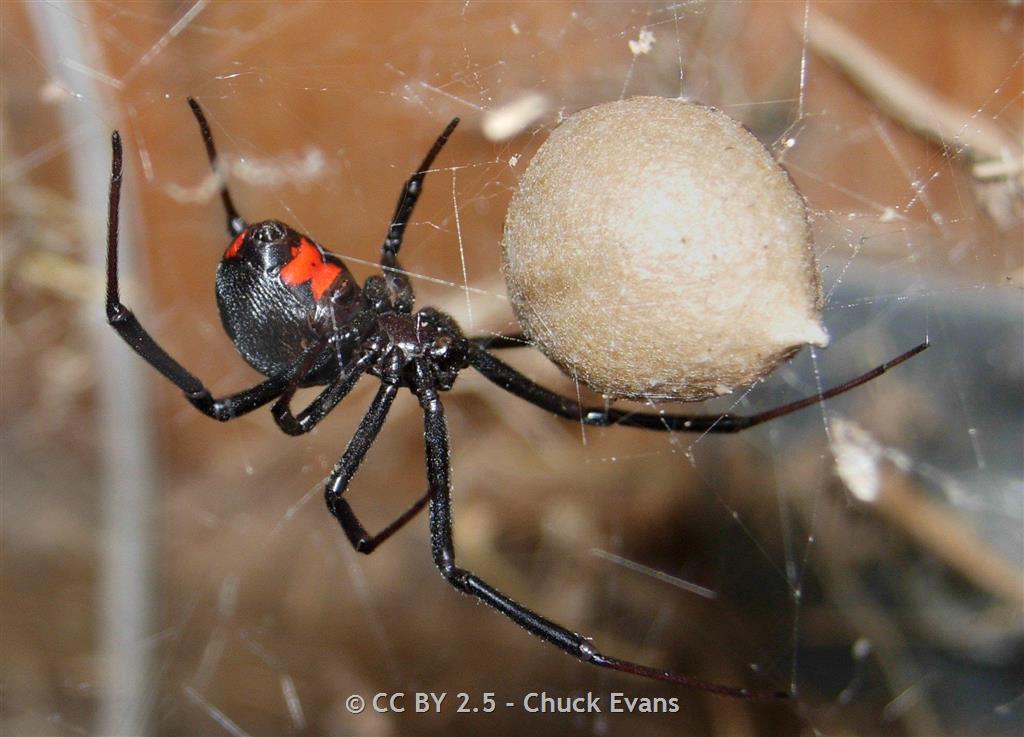
Latrodectus mactans, commonly known as the southern black widow, is one of the most iconic and misunderstood arachnids in North America. While their reputation for being deadly is largely exaggerated, they possess a potent neurotoxic venom that commands respect.
Identification and Appearance
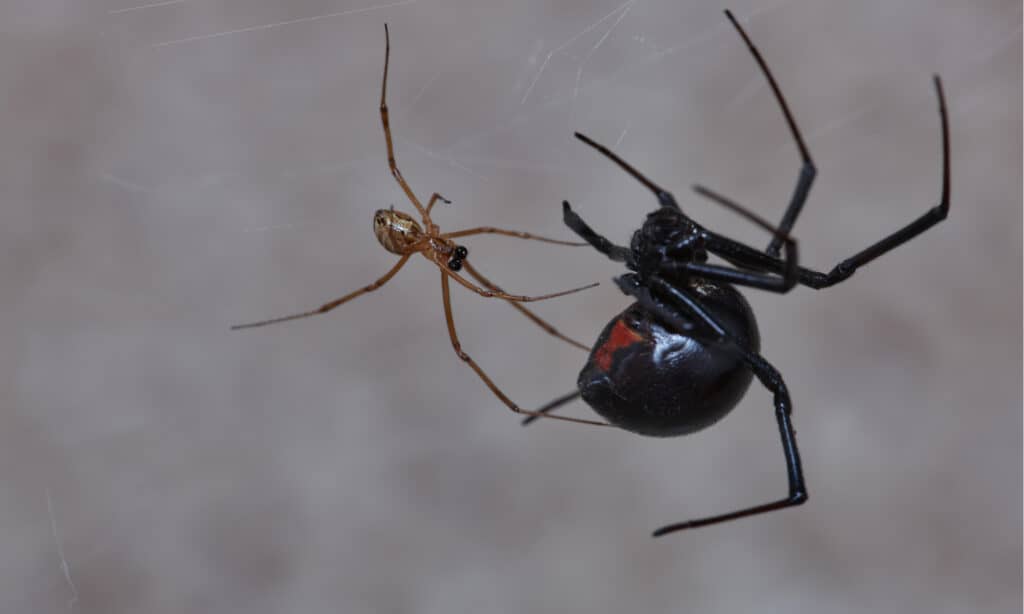
The species exhibits significant sexual dimorphism, meaning males and females look drastically different.
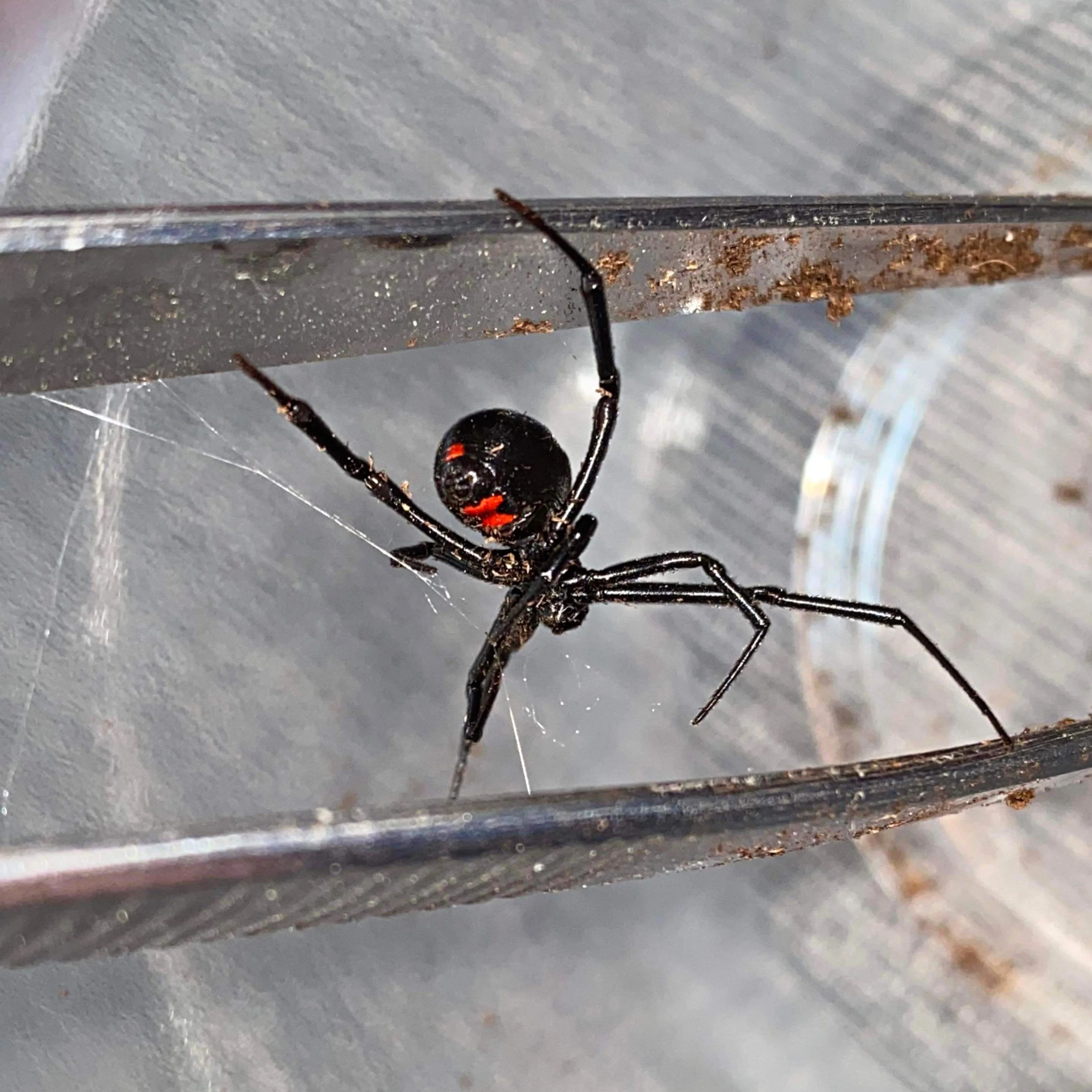
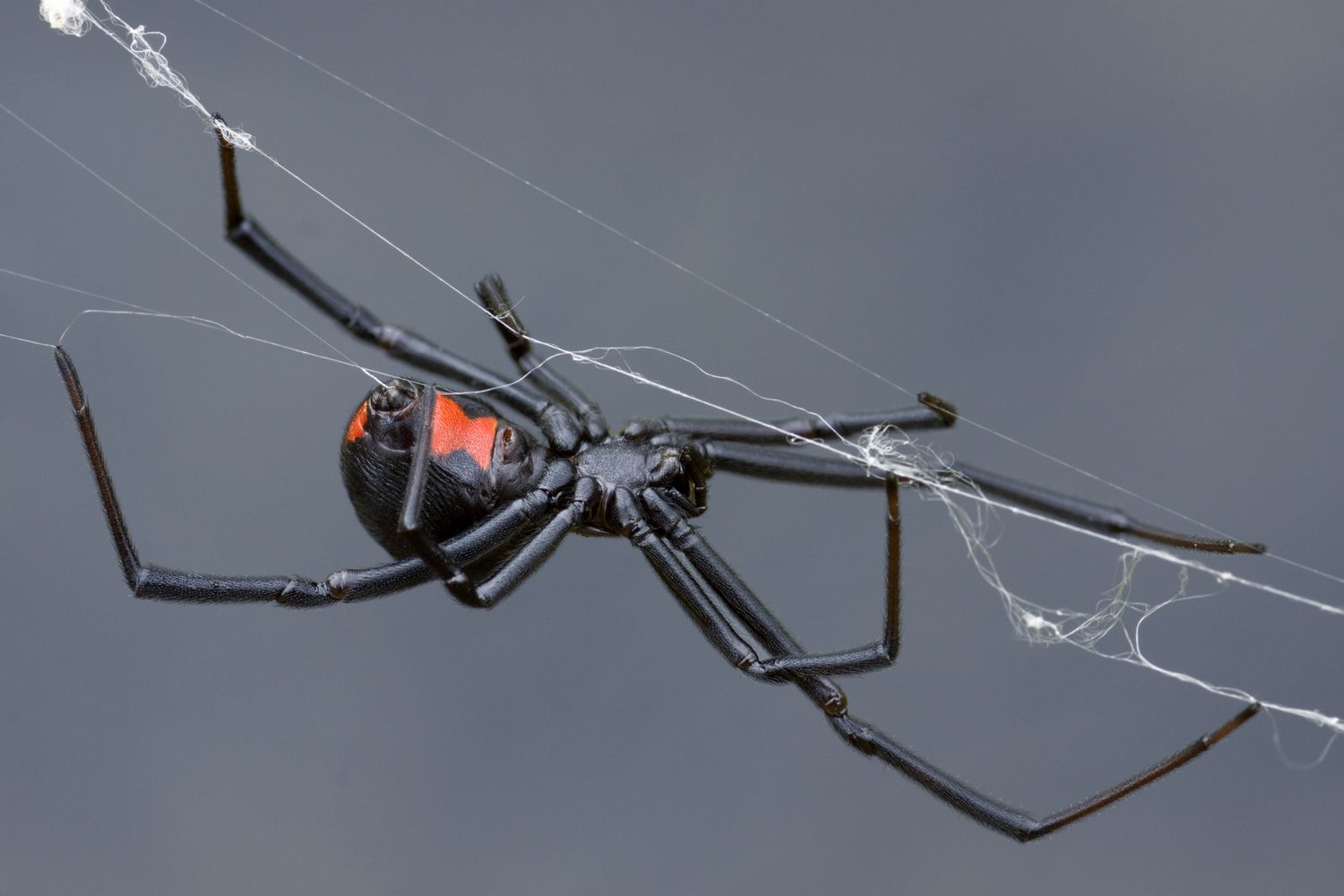
- Females: Mature females are the “classic” black widow—glossy, jet-black, and globular, measuring about 0.4 to 0.5 inches (10–12 mm) in body length. Their most diagnostic feature is the bright red, orange, or yellowish-orange hourglass-shaped marking on the underside of the abdomen. The two triangles forming the hourglass are almost always connected.
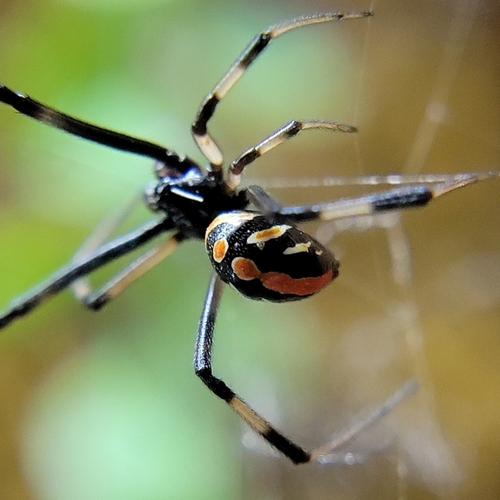
- Males: Much smaller (0.2–0.3 inches), males are generally harmless to humans. They are often lighter in color and feature patterned markings on the top of their abdomen that resemble the appearance of immature females.
- Webs: They build “cobwebs”—tangled, disorganized, and remarkably strong silk structures, typically located in dark, sheltered areas.
Habitat and Behavior
Native to North America, L. mactans thrives in both natural and human-altered environments. They are nocturnal and generally reclusive, preferring to remain in their retreats rather than confront threats.
- Preferred Locations: Woodpiles, stone walls, outbuildings, crawl spaces, and under outdoor furniture.
- Diet: They are generalist carnivores, feeding on insects, woodlice, and other arachnids. Once prey is ensnared, the spider uses its silk to secure the target before delivering a venomous bite.
- Mating: The common name “widow” stems from the observation that females may occasionally consume the male after mating—though this is not a universal behavior and varies by circumstance.
Understanding “Latrodectism”
A bite from a female black widow causes a clinical syndrome known as latrodectism. The venom contains alpha-latrotoxin, a neurotoxin that triggers an excessive release of neurotransmitters.
Note on Severity: While the bite is extremely painful, it is rarely fatal to healthy adults. There have been no confirmed deaths from native North American widow species in the U.S. in many decades.
Symptoms typically peak within 12 hours and may include:
- Localized Pain: Immediate sharp pain at the site, which may progress to dull, radiating aches.
- Muscle Rigidity: Severe cramping in the abdomen, back, and chest—often mimicking conditions like appendicitis.
- Systemic Effects: Hypertension (high blood pressure), nausea, vomiting, sweating (diaphoresis), and headache.
Medical Response
If bitten, seek medical attention, particularly if you experience systemic symptoms like severe cramping or difficulty breathing.
- Clean the Area (Immediate care)
Wash the site with mild soap and water. Apply a cold compress (wrapped in a cloth) to the area for 10–20 minutes to reduce swelling and pain.
2. Seek Medical Evaluation (As needed)
Visit an urgent care or emergency room if pain is severe or symptoms spread. Inform the provider you suspect a black widow bite.
3. Professional Treatment (Clinical setting)
Physicians may administer pain medication, muscle relaxants, or, in severe cases, Antivenin Latrodectus mactans. Antivenom is highly effective at neutralizing symptoms but is used selectively due to the risk of allergic reactions.
Distribution in the Northeast
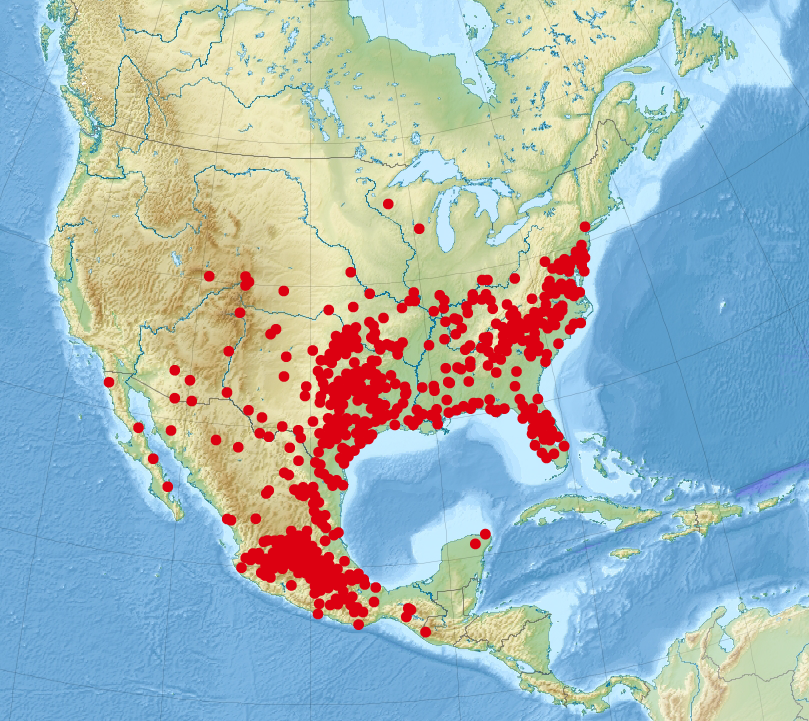
Black widows are rare in New England, including Rhode Island. When sightings do occur, they are frequently the Northern Black Widow (Latrodectus variolus), which is slightly more cold-hardy than L. mactans. If you live in a wooded area, simple precautions—such as wearing gloves while gardening and clearing debris away from home foundations—are highly effective at preventing encounters.
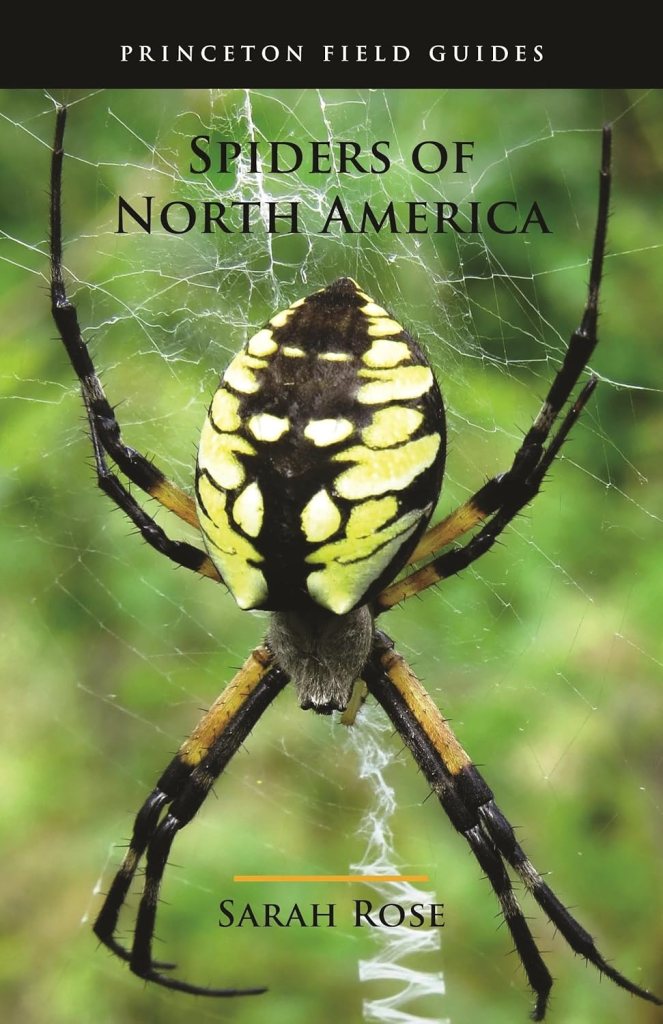
If you would like to learn more about the spiders of the United States, I highly recommend the book below! Click on the cover to buy!



Leave a comment